
The era of battling for a solitary square meter of sand on the shores of Phuket or the beach clubs of Bali is officially a relic of the past. As we navigate 2026, the modern traveler is undergoing a profound shift in priorities. We are moving away from the “Instagram-perfect” hotspots that have become synonymous with over-tourism and toward a deeper, more visceral need for solitude, silence, and untouched horizons. Southeast Asia, a region historically defined by its bustling backpacker trails and neon-lit party hubs, still harbors secret corners where the only footprints on the sand are your own.
If you are weary of the digital noise and the relentless crowds, you have arrived at the right destination. Finding these hidden coastal gems is no longer just about taking a vacation; it is about reclaiming the magic of discovery. From the remote, turquoise lagoons of the Philippine archipelago to the rugged, untamed coastlines of Eastern Indonesia, we are mapping the best secret beaches in Southeast Asia that remain refreshingly off the radar.
Why the Pursuit of Seclusion is the Luxury of 2026
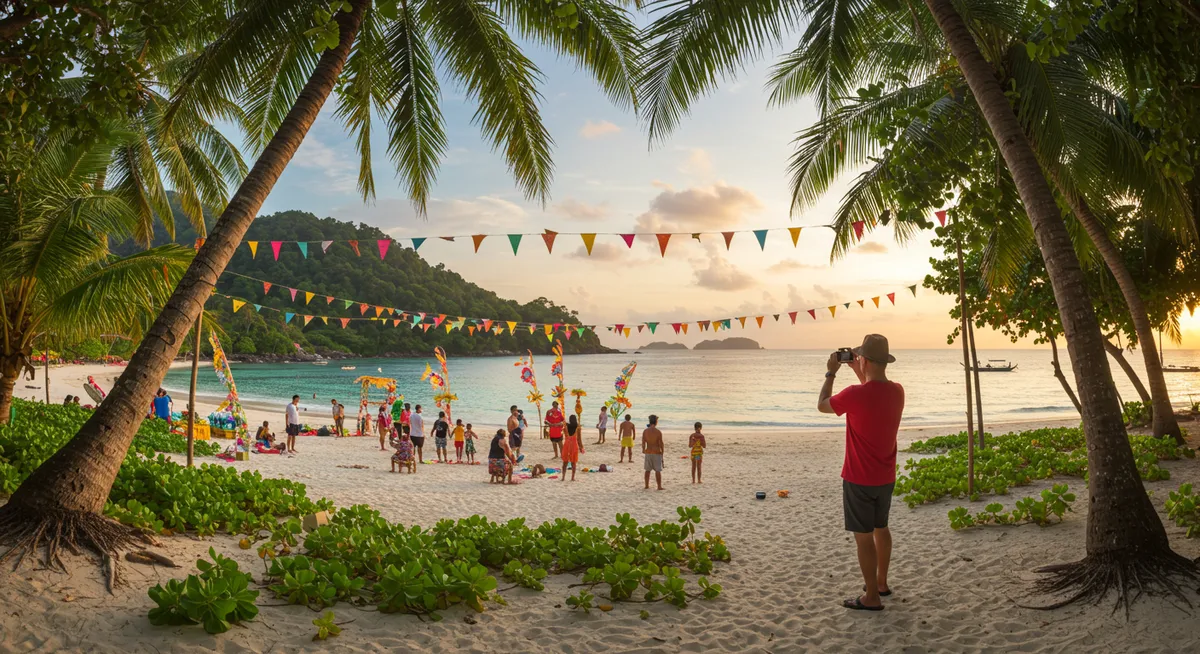
In a world characterized by hyper-connectivity and 24/7 accessibility, true seclusion is the ultimate luxury. By mid-2026, data suggests that over 75% of mainstream Southeast Asian beach destinations have reached a saturation point regarding commercial infrastructure and foot traffic. This density has driven a new wave of conscious travel, where the goal is to bypass the “tourist traps” in favor of authentic, quiet, and sustainable environments.
Seeking out these hidden spots is more than a preference for privacy; it is an act of responsible tourism. By choosing to visit lesser-known coastal areas, travelers distribute their economic impact away from corporate-owned mega-resorts and toward family-run homestays and community-led ecotourism initiatives. These quiet beach towns offer a slower, more intentional pace of life. Here, you won’t find high-rise hotels or chain coffee shops. Instead, you will find pristine ecosystems, vibrant coral reefs that have been spared from anchor damage, and the profound silence that only comes when you are truly disconnected from the digital hum.
1. The Granite Sanctuaries of Belitung, Indonesia

While the world flocks to the volcanic ridges of Bali, the island of Belitung continues to stand as a quiet sentinel of natural beauty. Located off the east coast of Sumatra, Belitung is defined by its iconic, massive granite rock formations that rise dramatically from the shallow, crystalline sea. As of 2026, the island remains largely unburdened by international mass tourism, thanks in part to its distance from major transit hubs.
The aesthetic here is that of a private, luxury island experience, yet it remains accessible to the intrepid independent traveler. The water is exceptionally clear, making it a world-class destination for snorkeling and freediving. The secret to enjoying Belitung is to charter a local wooden fishing boat—known as a perahu—and spend your days hopping between the tiny, unnamed islets that dot the coastline. These spits of sand are frequently deserted, offering a level of privacy that has long since vanished elsewhere in the Indonesian archipelago.
2. The Tranquil Outlier: Koh Kood, Thailand

Thailand’s island infrastructure has seen significant development over the past decade, but Koh Kood remains a rare, defiant outlier. Situated near the Cambodian border, it is one of the few places in the Gulf of Thailand where nature still dictates the rhythm of the day. Unlike the frenetic energy of Koh Phangan or the commercial sprawl of Phuket, Koh Kood maintains a minimalist development policy.
The landscape is a vivid tapestry of emerald-green jungle that spills directly onto powdery, white-sand beaches. Because the island lacks a high-octane nightlife scene, the “party crowd” largely avoids it, leaving the shores to families, digital nomads seeking deep focus, and nature enthusiasts. The highlight of any visit here is kayaking through the untouched mangrove forests or spending an entire afternoon in a hammock, listening to the gentle lap of the Gulf of Thailand. In 2026, it remains the gold standard for a quiet, restorative retreat.
3. The Outer Reaches of the Calamian Islands, Philippines
El Nido and Coron have become global icons of the Philippines, but their popularity has undeniably altered their once-pristine character. However, if you venture further into the Calamian archipelago, you will find the true “secret” of the region. By 2026, savvy travelers have begun to push past the standard tour boat routes to reach islands like Linapacan, which consistently ranks among the clearest waters on the planet.
The magic of the lesser-known Calamian islands lies in their limestone karst formations that rise out of the ocean like ancient cathedrals. These hidden coves are often accessible only by private boat, ensuring that even during the peak season, you are unlikely to encounter more than a handful of other visitors. The local communities are deeply invested in marine conservation, with many of these beaches serving as protected nesting grounds for sea turtles. Visitors are encouraged to engage in “leave-no-trace” travel, ensuring these fragile ecosystems remain pristine for years to come.
4. The Untamed Coastline of Koh Phayam, Myanmar Border
Often referred to as the “last frontier” of the Andaman Sea, Koh Phayam serves as a throwback to what Thailand looked like in the 1980s. Located just a short boat ride from Ranong, this island has resisted the urge to modernize. There are no massive resorts, no motorized traffic to speak of, and only a limited, solar-powered electrical grid in the more remote areas of the interior.
The beaches here, particularly Aow Yai, stretch for miles, backed by dense jungle and cashew plantations. It is a haven for those who want to disconnect entirely. In 2026, Koh Phayam has become a hotspot for slow-travel enthusiasts who stay for weeks at a time, integrating into the laid-back community. If you are looking for a place where you can walk for hours without seeing a single high-rise, this is your sanctuary.
5. The Hidden Archipelago of Anambas, Indonesia
For those willing to endure a more complex journey, the Anambas Islands offer the ultimate reward. Located in the middle of the South China Sea, this remote regency is a collection of over 200 islands, the vast majority of which remain uninhabited. Because of their remote location, they are rarely visited by mainstream tour groups, making them a true “secret” in the world of 2026 travel.
The diving and snorkeling here are arguably the best in Southeast Asia, with pristine coral reefs and visibility that often exceeds 30 meters. The islands are characterized by their turquoise lagoons, white-sand beaches, and dense, tropical vegetation. Visiting the Anambas requires a bit of logistical planning—usually involving a flight to Batam and a ferry connection—but this barrier to entry acts as a natural filter, keeping the crowds away and preserving the unspoiled nature of the archipelago.
Essential Tips for Finding Solitude in 2026
Finding a secret beach is not just about geography; it is about mindset and preparation. As we move deeper into the current year, follow these guidelines to ensure your hunt for seclusion is successful and respectful:
- Travel during the shoulder season: Even the most popular destinations have quiet periods. Aim for the weeks just before or after the monsoon season to maximize your chance of having a beach to yourself.
- Prioritize local transport: Avoid the standardized “island hopping” tour packages. Hiring a local boat captain not only gets you to the hidden coves but also provides direct income to the local economy.
- Embrace the “no-frills” lifestyle: The most beautiful beaches are often the hardest to reach. Be prepared for limited Wi-Fi, bucket showers, and simple, locally sourced meals.
- Practice radical conservation: These areas are fragile. Always carry your trash out, avoid using chemical sunscreens that damage coral, and respect the local customs and wildlife.
Frequently Asked Questions
Are these secret beaches truly free of crowds in 2026?
While “secret” is a relative term in the age of social media, these locations have been selected because they lack the large-scale infrastructure required for mass tourism. While you might encounter a few fellow independent travelers, you will not find the packed sunbeds and crowded shorelines typical of major resorts.
How do I reach these remote locations?
Most of these destinations require a multi-step journey involving domestic flights followed by ferries or private boat charters. This “barrier to entry” is exactly what keeps them hidden. We recommend booking local guides once you arrive at the main gateway city to help navigate the final leg of the journey.
Is it safe to travel to these less-developed islands?
Generally, yes. However, because these areas lack the medical and emergency infrastructure of major cities, you should always ensure you have comprehensive travel insurance and a basic first-aid kit. Always check the latest government travel advisories for the specific region before departing.
Conclusion
The search for secret beaches in Southeast Asia is a journey into the heart of what travel used to be: a process of discovery, patience, and immersion. In 2026, the value of a destination is no longer measured by its accessibility or its amenities, but by its ability to offer us a moment of genuine stillness. Whether you choose the granite shores of Belitung, the quiet jungles of Koh Kood, or the remote lagoons of the Anambas, you are participating in a more sustainable and thoughtful way of exploring our world. Pack light, leave only footprints, and prepare to find the kind of silence that stays with you long after you return home.
Tags: Southeast Asia travel, secret beaches, off the beaten path, sustainable tourism, hidden islands, 2026 travel guide
Category: Travel and Adventure