
As we navigate the mid-point of the decade, the global travel landscape has undergone a profound transformation. The frenetic energy of “revenge travel” that defined the early 2020s has been replaced by a more intentional, subdued movement: The Quiet Renaissance. For the introverted traveler, 2026 represents a golden era where solitude is no longer an accidental byproduct of a trip, but the primary destination. In a world that is louder and more connected than ever, the ultimate luxury is the ability to disappear into a landscape where the only conversation is between the wind and the waves.
Introvert travel is not about hiding; it is about recalibrating the nervous system. For those who find their energy drained by crowded plazas and bustling city tours, the secluded island offers a unique psychological sanctuary. By 2026, “low-density tourism” has become a standardized metric, with travelers specifically seeking out destinations that limit visitor numbers to preserve the sanctity of the environment. This article explores the most profound island retreats for the introverted soul, blending natural beauty with the profound peace of isolation.
The Rise of Under-Tourism: Why Introverts are Leading the 2026 Travel Trends
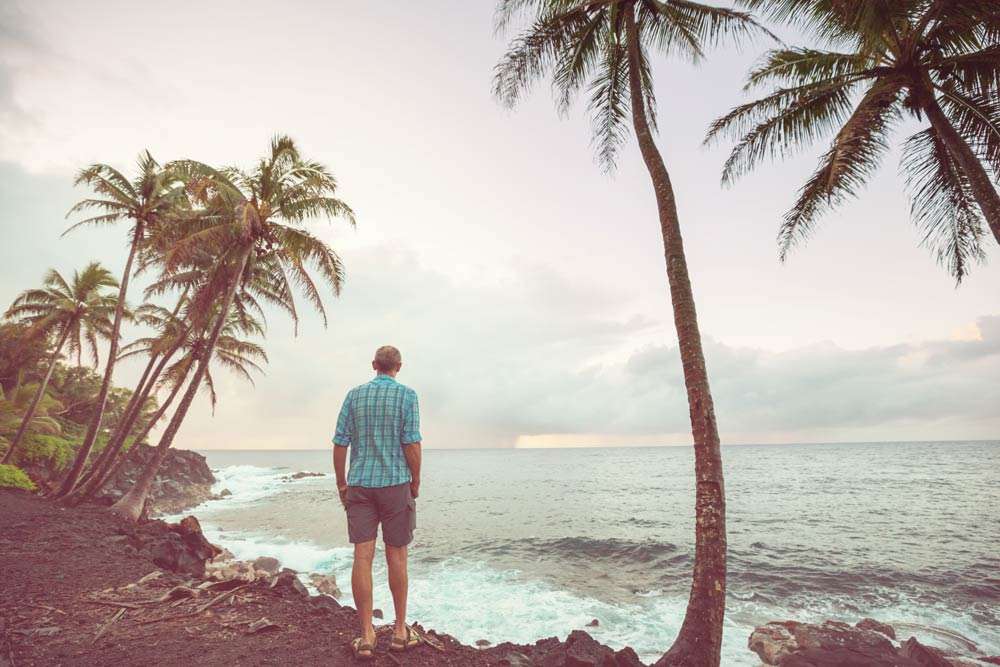
In 2026, the travel industry has finally acknowledged a long-ignored demographic: the 1.5 billion introverts who prefer birdsong to bass drops. Recent data from the Global Wellness Institute suggests that “silence-focused” travel has grown by 35% annually over the last three years. This shift toward under-tourism is driven by a desire for “sensory-neutral” environments—places where the visual and auditory stimuli are natural, rhythmic, and predictable.
For the introvert, an island provides a physical and symbolic boundary. The surrounding water acts as a moat, keeping the chaos of the mainland at bay. In 2026, we see a rise in “Deep Soloing,” a travel style where individuals spend extended periods in remote locations to engage in creative work, reading, or meditative hiking. These islands are not just stops on a map; they are containers for self-reflection and the restoration of the “inner battery.”
1. Yakushima, Japan: The Emerald Cathedral of Solitude

Located off the southern coast of Kyushu, Yakushima remains the gold standard for introverts who find peace in the deep woods. This UNESCO World Heritage site is famous for its ancient Yakusugi (cedar) trees, some of which have stood for over 7,000 years. In 2026, Yakushima has implemented a strict daily visitor cap on its most popular trails, ensuring that your journey to the heart of the forest remains a private experience.
Walking through Yakushima is like stepping into a living watercolor painting. The island is one of the wettest places on earth, resulting in a lush, moss-covered landscape that muffles sound and heightens the sense of mystery. For the introvert, the appeal lies in the respectful silence of Japanese culture. Even in the small coastal villages, the atmosphere is one of quiet industry and profound politeness. You can spend days hiking the Shiratani Unsuikyo Ravine, where the only sound is the drip of rainwater from a thousand-year-old fern.
Introvert Tip: Book a “Minshuku” (family-run guesthouse) in the village of Anbo. These traditional stays offer private rooms and exquisite, quiet dinners that allow you to enjoy local cuisine without the social pressure of a restaurant crowd.
2. The Faroe Islands: A North Atlantic Masterpiece of Isolation

If your soul craves dramatic cliffs, mist-heavy fjords, and a population of sheep that outnumbers humans, the Faroe Islands are your 2026 sanctuary. Positioned between Iceland and Norway, this archipelago is the definition of rugged introspection. While Iceland has seen a surge in mass tourism, the Faroe Islands have remained a bastion for those who enjoy “cool-weather travel” and the aesthetic of the North Atlantic.
The beauty of the Faroes for the introvert is the infrastructure of solitude. The islands are connected by an impressive network of sub-sea tunnels and bridges, making it incredibly easy to rent a car and explore on your own terms. You can drive to the edge of a cliff in Gásadalur, watch the Múlafossur waterfall plunge into the sea, and likely be the only human being within miles. In 2026, the islands have expanded their “Closed for Maintenance, Open for Voluntourism” program, allowing introverts to participate in quiet, meaningful trail restoration projects alongside locals.
Key Statistic: As of 2026, the Faroe Islands maintain a tourist-to-resident ratio of just 2:1, compared to 10:1 in many Mediterranean hotspots, making it one of the least crowded developed destinations in the world.
3. Fogo Island, Canada: Design, Stillness, and the Seven Seasons
Off the coast of Newfoundland lies Fogo Island, a place that feels like it exists at the edge of the world. For the introvert who appreciates art, architecture, and the “slow life,” this is a bucket-list destination. Fogo Island is famous for its stilted artist studios—minimalist structures perched on the rocky coastline designed specifically for solitary contemplation.
The island doesn’t just have four seasons; the locals recognize seven: pack ice, spring, trap berth, summer, berry, late autumn, and winter. Visiting during the “pack ice” season in early spring offers a level of silence that is almost otherworldly. The Fogo Island Inn, a world-renowned architectural marvel, operates on a “community host” model where locals take you on quiet walks to explain the geology and history of the land. It’s a form of social interaction that is grounded, purposeful, and never overwhelming.
Why it works: The island’s culture is built on “finding a way,” a philosophy of resilience and quiet independence that resonates deeply with the introverted spirit.
4. Sumba, Indonesia: The Wild Frontier of Mindful Luxury
While Bali continues to struggle with over-tourism in 2026, the neighboring island of Sumba offers a glimpse into an older, quieter world. Sumba is twice the size of Bali but has a fraction of the visitors. It is an island of savannahs, rolling limestone hills, and ancient megalithic cultures.
For the introvert, Sumba offers “Wild Solitude.” The luxury resorts here, such as the famous Nihi Sumba, are designed with massive amounts of space between villas, ensuring you never have to see another guest if you don’t wish to. The island’s Marapu culture emphasizes a deep connection to the spirit world and the land, creating an atmosphere of reverence that discourages loud, disruptive behavior. Spending a morning watching the Sumbanese horses gallop along the shore at Nihiwatu Beach is a high-sensory experience that is calming rather than draining.
Introvert Insight: Sumba is ideal for those who want to disconnect digitally. Many parts of the island offer limited connectivity, providing a natural excuse to put away the smartphone and engage with the physicality of the moment.
5. Flores, The Azores: The Garden of Eden for Solo Explorers
The Azores have long been a secret for European travelers, but the island of Flores—the westernmost point of the archipelago—is the crown jewel for introverts. Named after its abundance of wildflowers, Flores is a botanical paradise of volcanic craters, turquoise lagoons, and cascading waterfalls. It feels like Hawaii might have felt fifty years ago.
In 2026, Flores has become a hub for “Eco-Aesthetic Travel.” The island is small enough to navigate easily but rugged enough to offer true adventure. The Poço Ribeira do Ferreiro, a wall of dozens of waterfalls dropping into a lush green basin, is one of the most serene spots on the planet. Because the island is difficult to reach (requiring a domestic flight from the main hub of São Miguel), it remains blissfully free of the “influencer crowds.”
The Vibe: Mist-covered mornings, hydrangea-lined roads, and the constant, soothing sound of falling water. It is a place where you can be alone without being lonely.
The Psychology of the “Social Battery” on Island Time
Why does island travel specifically benefit the introvert? According to environmental psychology studies in 2025, the “blue space” effect—the mental health benefits of being near water—is amplified when the water is a visible boundary. This creates a psychological state known as “Soft Fascination.” Unlike the “Hard Fascination” of a city (where you must constantly focus on traffic, signs, and people), the movement of waves or the rustle of island palm fronds allows the brain to rest while still being engaged.
Furthermore, islands often operate on “Island Time,” a slower pace of life that aligns perfectly with the introvert’s natural rhythm. In 2026, many introvert-friendly retreats have eliminated traditional “check-in/check-out” times and scheduled group activities, allowing guests to dictate their own flow. This autonomy is essential for managing the social battery, as it removes the “performance” aspect of travel.
Essential Gear for the 2026 Introvert Traveler
To maximize the peace of these island destinations, the modern introvert should consider a few essential items that have become staples of the “Quiet Travel” movement:
- Active Noise-Canceling 2.0: New 2026 technology allows for “selective transparency,” where you can block out human voices while still hearing the sounds of nature.
- The Analog Kit: A resurgence in film photography and high-quality journaling has replaced social media posting for many travelers.
- Offline Navigation Tools: To truly disconnect, many introverts are using e-ink GPS devices that don’t have notification capabilities, allowing for exploration without digital intrusion.
- Portable Sensory Kits: Small items like weighted travel blankets or calming essential oils (cedarwood and sea salt) to maintain a consistent sensory environment.
Frequently Asked Questions (FAQ)
1. Isn’t solo island travel dangerous for introverts?
In 2026, the destinations mentioned (Japan, Faroe Islands, Azores, etc.) are ranked among the safest in the world. For introverts, safety often comes from thorough planning. These islands have excellent digital maps, reliable local transport, and cultures that highly respect personal space and privacy.
2. How do I handle dining alone on these islands?
Island cultures are generally very accommodating of solo diners. In places like Yakushima or Fogo Island, dining is seen as a contemplative act. Bringing a book is perfectly acceptable, and many 2026 boutique hotels now offer “Solo Nooks”—private, scenic dining spots designed specifically for one person.
3. Are these destinations expensive?
While some islands like Fogo Island offer luxury experiences, others like the Azores or Yakushima are quite accessible for mid-range budgets. The key is to travel during the “shoulder seasons” (late spring or early autumn), when prices drop and the number of other tourists reaches its lowest point.
4. Will I feel lonely if I don’t speak to anyone for days?
There is a significant difference between loneliness and solitude. Introverts typically find that the “connection” they feel with the landscape and the local environment provides a sense of fulfillment that replaces the need for constant social interaction. However, locals on these islands are known for being warm and helpful should you choose to engage.
Conclusion: Finding Your Quiet in a Loud World
As we look toward the remainder of 2026, the value of silence will only continue to rise. For the introvert, a peaceful island is more than just a vacation spot; it is a reclamation of self. Whether it is the mossy forests of Japan, the dramatic cliffs of the North Atlantic, or the volcanic lagoons of the Azores, these destinations offer a rare gift: the permission to be still.
In the end, the best travel experiences aren’t the ones that leave you exhausted and needing another vacation; they are the ones that leave you quietly transformed. By choosing the path of the secluded island, you aren’t just seeing the world—you are hearing it, perhaps for the first time, in all its magnificent, hushed glory.