
In 2026, the world feels faster than ever. We are constantly bombarded by digital notifications, high-speed transit, and the pressure to “check off” bucket-list destinations in record time. But a quiet revolution is unfolding in the travel industry. It is called slow travel, and it is fundamentally changing the way we interact with our planet.
If you are tired of the “see it all, do it all” burnout, you’ve come to the right place. This is your simple guide to the slow travel lifestyle—a philosophy that prioritizes connection, depth, and sustainability over the frantic pace of traditional tourism.
What Exactly is the Slow Travel Lifestyle?
At its core, slow travel is not about how fast you move; it is about the intent behind your movement. Unlike conventional tourism, which often focuses on quantity, the slow travel movement emphasizes quality and immersion.
Instead of visiting five cities in ten days, the slow traveler chooses one location and stays there for weeks or even months. It is about trading the checklist for a coffee at a neighborhood cafe, trading the tourist traps for local markets, and trading exhaustion for genuine cultural exchange.

Why Slow Travel Matters in 2026
As we navigate 2026, the environmental and social impacts of “over-tourism” have reached a breaking point. Slow travel offers a sustainable alternative that benefits both the traveler and the local community.
- Reduced Carbon Footprint: By staying in one place and utilizing public transport or walking, you significantly cut down on the emissions associated with short-haul flights and constant travel.
- Economic Support: When you shop at local markets, eat at family-owned bistros, and stay in locally-run accommodations, your money stays within the community, fostering economic sustainability.
- Mental Well-being: Traveling slowly removes the “travel fatigue” common in 2023-2024. It allows you to actually decompress, leading to higher levels of mental rejuvenation.
How to Practice Slow Travel: A Simple Guide
You don’t need to be a digital nomad or take a sabbatical to practice the art of slow travel. It is a mindset that can be applied to any trip, whether it lasts for two days or two months.
1. Curate Your Itinerary (Less is More)
The biggest mistake travelers make is overcrowding their schedule. Pick one region or city and commit to exploring it deeply. If you are visiting Italy, skip the frantic train hop between Rome, Florence, and Venice. Instead, choose a small village in Tuscany and learn the rhythm of the local life.
2. Prioritize Local Immersion
Look for experiences that aren’t featured in the top-ten list of global travel blogs. Visit the local library, spend an afternoon in a public park, or take a cooking class taught by a resident. Meaningful connection happens when you step off the beaten path.
3. Embrace Minimalist Packing
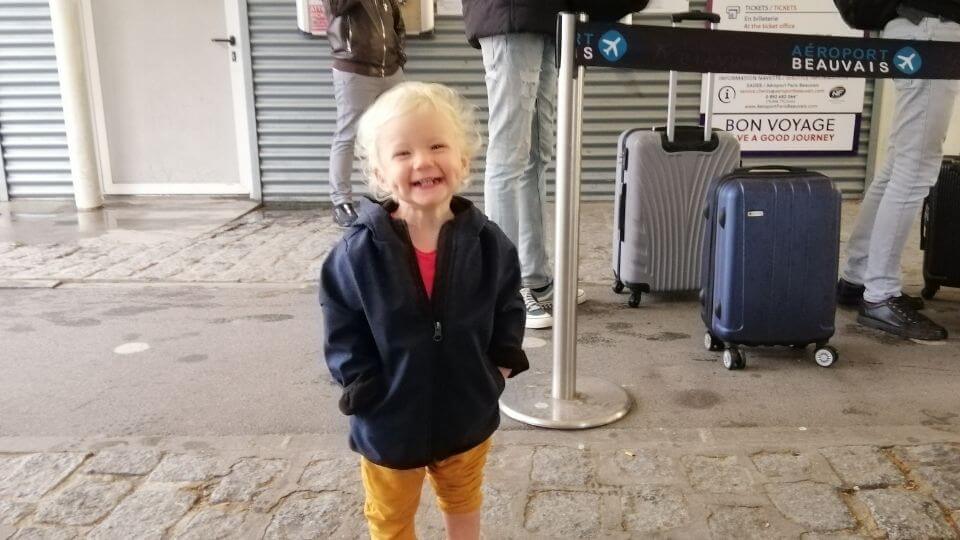
Carrying a massive suitcase is antithetical to the slow travel philosophy. A minimalist approach allows you to be more agile and less reliant on taxis or storage lockers. When you travel light, you are physically and mentally freer to wander.
4. Practice “Active Observation”
Slow travel is a sensory experience. Instead of viewing a monument through your camera lens, take time to sit, observe the architecture, and listen to the sounds of the street. This is the art of intentionality—being fully present in the moment.

Overcoming the “Fear of Missing Out” (FOMO)
One of the biggest hurdles to adopting this lifestyle is the persistent fear that you aren’t “doing enough.” In 2026, social media still pushes the narrative that if you didn’t see the Eiffel Tower or the Great Wall, you didn’t really travel.
But here is the truth: You aren’t missing out; you are opting in. You are opting into a deeper understanding of a single culture rather than a shallow glance at ten. You are opting into rest rather than burnout. You are opting into a sustainable future for the places you love.
Conclusion: Start Your Slow Journey Today
The beauty of the slow travel lifestyle is that it is entirely customizable. You don’t have to quit your job or sell your belongings to start. You can practice it on your next weekend getaway by simply choosing to walk instead of drive, or by spending your Saturday in one neighborhood instead of trying to see the entire city.
By shifting your perspective, you transform travel from a series of tasks into a transformative lifestyle. Embrace the pace, savor the local flavor, and remember: in 2026, the best travel experiences aren’t found in a brochure—they are found in the time you take to truly look.