
The year is 2026, and the digital noise of the modern world has never been louder. Yet, thousands of miles away from the nearest fiber-optic cable, a different kind of reality exists. Daily life on a remote island is not merely a vacation—it is a complete recalibration of the human spirit. Whether you are living off-grid in the Pacific or weathering the rugged terrain of Alaska, the experience is a masterclass in simplicity.

The Rhythm of Sunrise: Starting Your Day Off-Grid
When you wake up on a remote island, there is no alarm clock. The rhythm of your day is dictated by the sun and the tide. Unlike the frantic 9-to-5 grind, off-grid island living forces you to prioritize survival and sustainability.
Your morning routine might begin with checking solar battery levels or gathering fresh water. In places like Tokelau, the community aspect is paramount; your daily tasks are often shared, fostering a deep sense of belonging that is rare in 2026’s hyper-individualistic society.
- Solar Dependence: Managing energy consumption is a 24/7 job.
- Foraging and Fishing: Your food source is often local, seasonal, and earned through manual labor.
- Mental Clarity: Without the constant ping of notifications, your focus shifts to the immediate environment.
The Challenges of Isolation: Reality vs. Romance
It is easy to romanticize the “desert island” lifestyle, but the reality is gritty and demanding. The challenges of living on a remote island are real, ranging from limited medical access to the psychological weight of isolation.
Living in such seclusion rewires your brain. After a week, the “survival mode” kicks in, stripping away the trivial anxieties of your former life. You learn that resilience isn’t a personality trait—it’s a daily practice of adapting to weather patterns and resource availability.
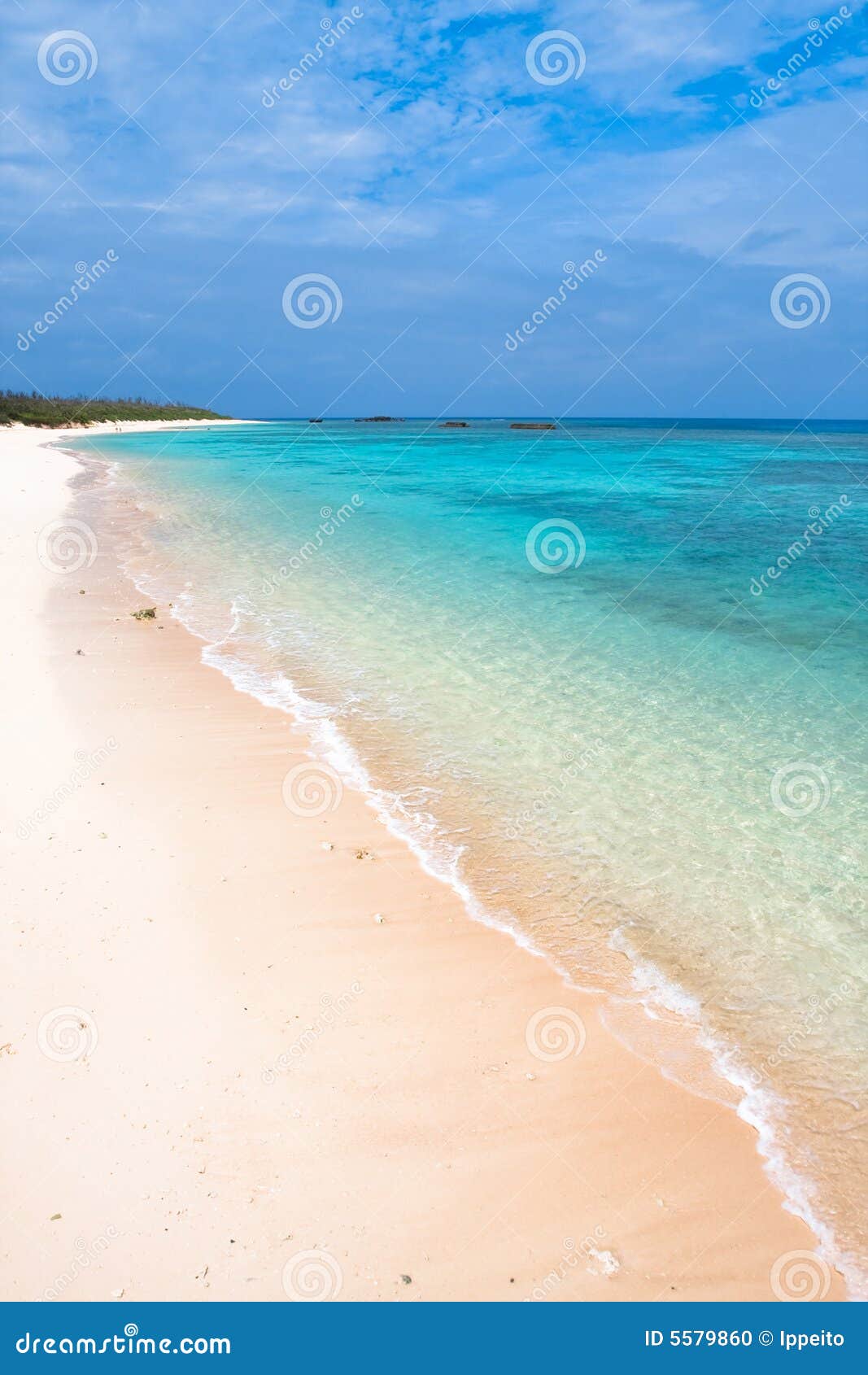
Essential Skills for the Modern Castaway
If you are considering a long-term remote experience, preparation is key. In 2026, those who thrive are the ones who possess:
- Technical Adaptability: Basic knowledge of fixing solar panels or water filtration systems.
- Emotional Fortitude: The ability to find peace in solitude rather than loneliness.
- Basic Survival Instincts: Understanding local flora, fauna, and tidal safety.
Why Remote Island Living is the Ultimate Reset
What happens on a remote island stays with you forever. This isn’t just a cliché; it is a neurological shift. Studies show that extended periods in nature, away from artificial blue light and high-frequency digital stimulation, can significantly improve cognitive restoration.
When you strip away the excess, you discover what truly matters. For many, the remote island experience acts as a mirror. You are forced to confront your thoughts without the buffer of entertainment or social media. By the time you return to “civilization,” you bring back a sense of focus and calm that is virtually impossible to cultivate in a city.
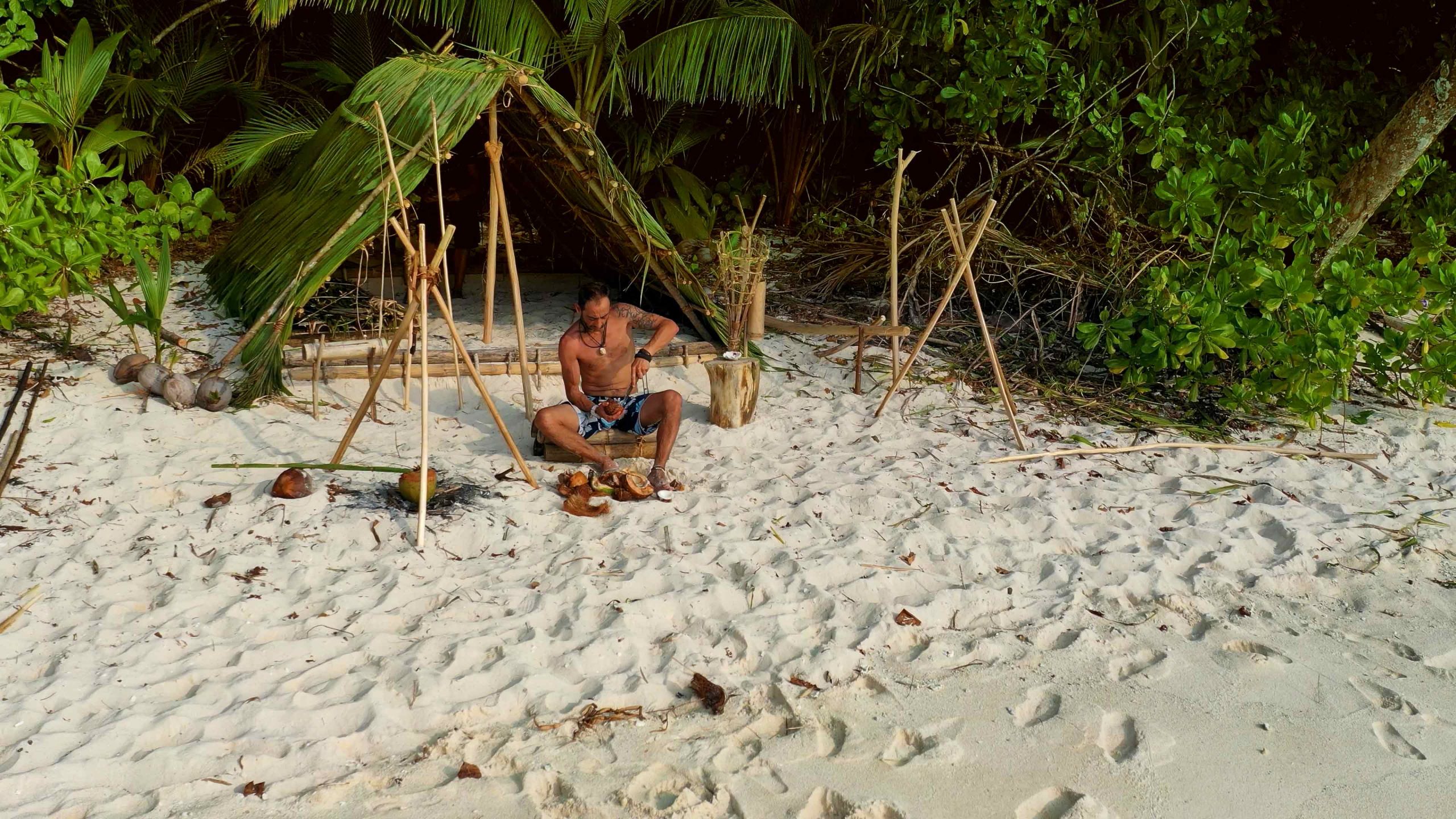
Sustaining Community in Seclusion
Even on the most isolated islands, community is the backbone of survival. The Tokelau remote island living experience highlights that humans are inherently social creatures. Even when living off-grid, the exchange of knowledge—how to weave, how to navigate by the stars, or how to preserve the day’s catch—creates a bond that transcends language and cultural barriers.
In 2026, as we face global uncertainty, the wisdom found in remote communities is becoming increasingly relevant. We are seeing a shift where people are trading the “convenience” of modern life for the autonomy and purpose found in secluded island living.
Conclusion: Is the Remote Life for You?
Choosing to step away from the digital grid is a bold move. It requires a willingness to trade convenience for autonomy and deep connection. Whether you are looking for a week of survival training to rewire your focus or a long-term transition to an off-grid lifestyle, the remote island experience is transformative.
The world will continue to spin, but on your island, you will finally have the time to watch it turn. If you feel the call of the horizon, remember that the most profound journey is not the one across the ocean—it is the one you take into yourself.