
In a world that feels increasingly frantic, the allure of a slow living routine on a tropical island has never been more potent. As we navigate 2026, the global shift toward intentionality has turned places like Bali and remote tropical archipelagos into sanctuaries for the soul. It is no longer just about a vacation; it is about reclaiming your mental well-being through the rhythmic pulse of the ocean and the lush canopy of the jungle.
True slow living is not about doing nothing—it is about doing everything with a heightened sense of presence. By aligning your daily habits with the natural environment, you move from the rigid pressure of a corporate clock to the fluid, restorative rhythms of nature.
Why 2026 is the Year for Tropical Intentionality
The digital nomad era has matured. In 2026, the focus has shifted from “working from anywhere” to “living well from anywhere.” People are ditching the burnout culture for Yin-inspired living, a concept popularized by experts like Sharni Quinn, which prioritizes rest, introspection, and the cultivation of inner stillness.
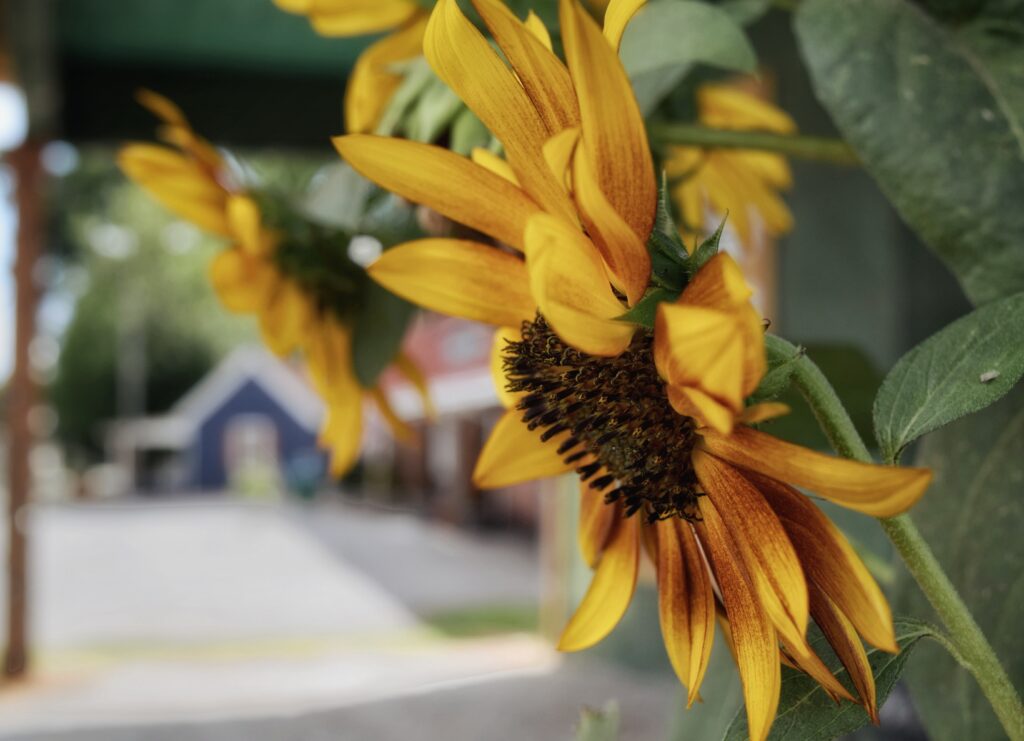
When you adopt a tropical lifestyle, you aren’t just changing your zip code; you are changing your nervous system. The humidity, the abundance of fresh, vibrant produce, and the lack of artificial city lighting allow your circadian rhythms to reset.
The Pillars of a Sustainable Tropical Routine
To successfully transition into this lifestyle, you must move away from “to-do lists” and toward “rhythms of being.” Here is how you can structure your day to maximize both energy and tranquility.
1. Morning Alignment: Movement and Mindfulness
Your morning sets the tone for your entire day. In a tropical setting, the early hours are the most magical.
- Sun-Salutation Rituals: Before the tropical heat peaks, engage in gentle yoga or meditation. This grounds your energy and prepares your body for the day.
- Hydration First: Start with local coconut water or filtered water with lime. Tropical climates require intentional hydration to maintain peak energy levels.
- Nature Immersion: Take a barefoot walk through rice fields or along the shoreline. Connecting your feet directly to the earth—a practice known as earthing—can significantly reduce stress markers.
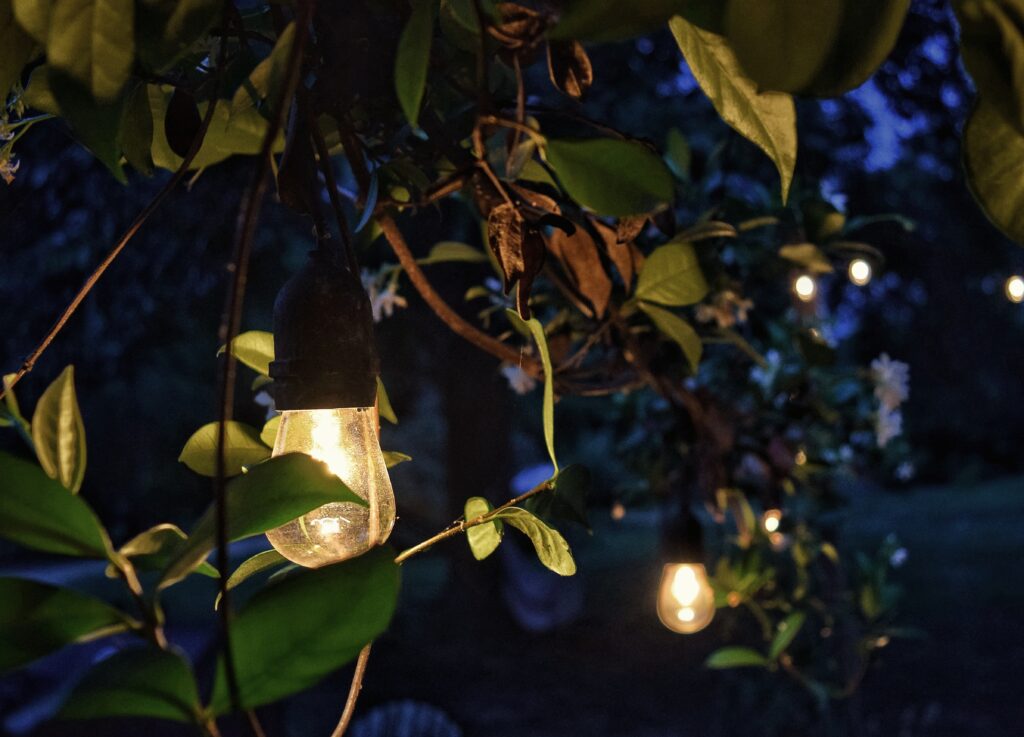
2. Nourishing the Body: Eating with the Climate
One of the biggest hurdles for newcomers to the tropics is physical discomfort. Adopting a digestive-friendly diet is essential for long-term health.
- Eat Local and Seasonal: Rely on papaya, dragon fruit, and fresh greens. These foods are naturally hydrating and easier on the stomach in humid environments.
- Mindful Consumption: Slow living means slowing down your meals. Chew thoroughly and avoid checking emails while eating. This simple shift improves digestion and helps you feel more satisfied.
3. Embracing “Living Yinly”
“Living Yinly” is about inviting softness into your life. In 2026, this is the ultimate luxury. It means saying “no” to the frantic pace of modern life and “yes” to activities that replenish your creative spirit.
- Afternoon Stillness: When the sun is at its highest, retreat to a shaded area. Use this time for reading, journaling, or a short nap.
- Surfing or Water Work: If you are near the ocean, surfing is the ultimate meditation. It forces you to be 100% present; you cannot worry about the future when you are catching a wave.

Overcoming the “Tourist Trap” Mentality
Many people travel to tropical islands but bring their high-stress habits with them. To truly adopt a slow living routine, you must be willing to let go of the “sightseeing” mindset.
Instead of checking off a list of waterfalls or temples, pick one spot and visit it consistently for a week. By becoming a “local” in a specific space, you develop a deeper relationship with the land. You will find that the island begins to reveal its secrets to those who stay still long enough to listen.
The Mental Health Benefits of Tropical Slow Living
The science behind this shift is compelling. Studies consistently show that exposure to blue and green spaces (the ocean and the jungle) lowers cortisol levels and boosts serotonin. When you combine this environmental support with a routine that mandates rest, you create an environment where burnout is not just managed—it is eradicated.
In 2026, prioritize your mental well-being as your most valuable asset. Whether you are living in a bamboo villa in Bali or a quiet coastal bungalow, remember that the “slow” in slow living is a choice you make every single hour.
Conclusion: Starting Your Journey
Transitioning to a slow living lifestyle is a process of unlearning. You are unlearning the need to be constantly productive and relearning the value of simply existing. By focusing on consistent morning rituals, mindful eating, and honoring your body’s need for rest, you can transform your tropical experience into a life-changing practice.
Start today. Turn off your notifications, step outside, and breathe in the humid, salt-kissed air. You are exactly where you need to be.