
The dream of the “digital nomad” lifestyle often hits a harsh reality when you step off the grid. You’ve traded the skyscraper view for turquoise waters and swaying palms, but suddenly, that urgent email or video call becomes a nightmare. In 2026, staying connected while exploring the world’s most secluded paradises is no longer a luxury—it’s an art form.
Finding a stable signal in the middle of the ocean requires a blend of modern technology, strategic planning, and a little bit of local insider knowledge. Whether you are chasing sunsets in the Maldives or working from a hidden cove in the Philippines, here is how you can master the art of finding Wi-Fi on remote islands.
1. Leverage Community-Powered Connectivity Tools
In 2026, the global community of travelers is your greatest asset. Crowdsourced databases have revolutionized how we find internet access. Instead of wandering aimlessly, tap into platforms that aggregate real-time data from millions of users.
- WiFi Map: This remains the gold standard for global connectivity. With access to over 150M+ hotspots, it is your primary tool for locating free, shared, and public Wi-Fi networks. It even provides built-in eSIM and VPN services to keep your connection secure from prying eyes.
- WiFi Space (WiFi SPC): This platform functions as a community-powered map that covers over 200 countries. Because it is updated daily by local contributors, it is often more accurate for finding signals in obscure, off-the-beaten-path locations.
<img alt="WiFi Remote APK for Android – Download" src="https://images.sftcdn.net/images/tapp-cover-l,fauto/p/56655912-0107-4c97-8e8c-79deea45d12e/1969958859/wifi-remote-screenshot.png” style=”max-width:100%; height:auto; border-radius:8px; margin: 1rem 0;” />
2. The Rise of VSAT and Satellite Infrastructure
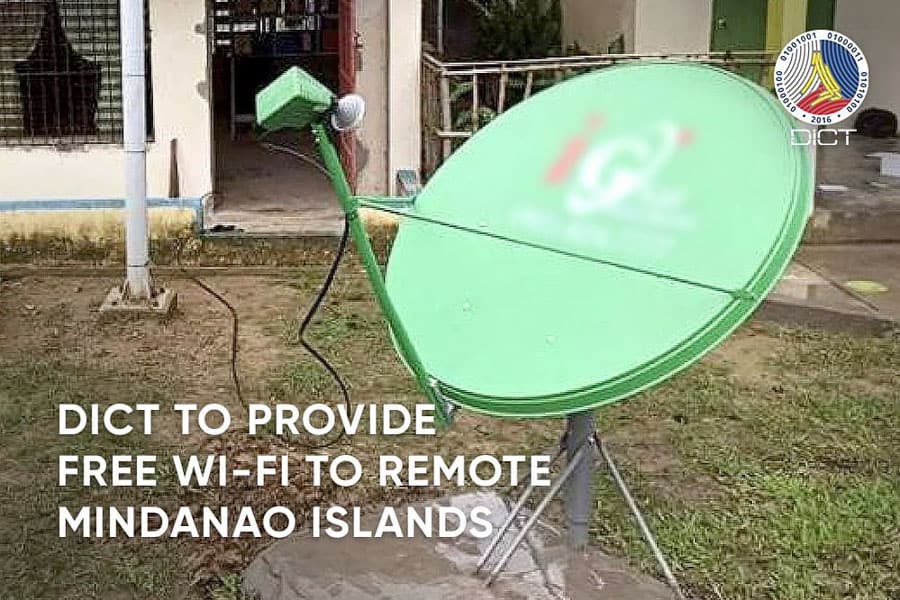
Governments and private tech firms are finally closing the digital divide. In many remote island chains, such as those in the Philippines or the South Pacific, initiatives using VSAT (Very Small Aperture Terminal) technology are becoming common.
These satellite-based systems allow local government units and resorts to beam high-speed internet directly from space, bypassing the need for traditional fiber-optic cables that rarely reach remote archipelagos. When scouting for accommodation, always ask: “Do you have a dedicated VSAT connection?” This is often the difference between a reliable Zoom call and a spinning loading icon.
3. Your Portable Toolkit: The Nomad’s Insurance Policy
Never rely solely on public infrastructure. If your work depends on a steady stream of data, you need to be your own ISP.
- Portable Hotspots: Modern 5G-ready mobile hotspots are significantly more powerful than they were just a few years ago. Look for devices that allow you to swap local SIM cards or use global data roaming plans.
- Local eSIMs: In 2026, eSIM technology is the easiest way to get online. Apps like Airalo or Holafly allow you to download a local data plan the moment you step off the boat, ensuring you aren’t reliant on spotty hotel Wi-Fi.
- Signal Boosters: If you are staying in a remote bungalow, a portable Wi-Fi extender or a high-gain antenna can sometimes pull a weak signal from a distant village tower, turning a “no service” bar into a usable connection.
4. Strategic Planning: How to Find the Best Spots
Before you even book your flight, perform a “digital reconnaissance.” Use platforms like Speedtest.net to check the average mobile data speeds in the specific island province you plan to visit.
Furthermore, prioritize “co-working-friendly” accommodations. Many island resorts are now marketing themselves as “Workation Havens,” specifically installing high-speed satellite internet to attract remote workers. Always check reviews on sites like TripAdvisor or NomadList for keywords like “reliable internet” or “fast Wi-Fi” specifically from the last six months.

5. The Golden Rule: Always Have a Backup
Even with the best tools, remote island Wi-Fi can be fickle. Storms, power outages, and equipment failure are part of the island experience.
- Offline Everything: Download your maps, documents, and reference materials for offline use.
- Asynchronous Work: Shift your workflow to an asynchronous model. If you know the internet is best at 6:00 AM, do your heavy uploading then and save your offline drafting for the afternoon.
- The “Local Café” Hack: Often, the fastest internet on an island isn’t at your hotel; it’s at the local port authority or the most popular expat-run café. Don’t be afraid to ask locals, “Where do you go when you need to upload a big file?”
Conclusion
Finding Wi-Fi on remote islands in 2026 is no longer a game of chance; it is a game of preparation. By utilizing community-driven maps, investing in satellite-ready portable hardware, and choosing your lodging with a critical eye, you can enjoy the serenity of the tropics without sacrificing your professional connectivity. The world is getting smaller, and with the right strategy, your digital office can be anywhere the tide takes you.