
The ferry pulled away from the dock, a white speck disappearing into the mist of the Pacific Northwest, leaving me in a silence so profound it felt heavy. It is 2026, and I have officially traded my high-speed fiber optic connection for a 90-day trial run of remote island living. I didn’t move here on a whim; I moved here to see if the romanticized version of island life matches the grit of reality.
The first seven days have been a masterclass in humility. When you live off-grid, the universe doesn’t care about your deadlines or your “smart home” ecosystem. It only cares about the tides, the solar battery levels, and whether or not the supply boat actually shows up on time.
The Silence That Screams: Adjusting to Off-Grid Life
On day one, the most jarring thing wasn’t the lack of cell service; it was the total lack of ambient noise. There is no hum of traffic, no distant sirens, and no notification pings. My brain, conditioned by a decade of digital saturation, spent the first 48 hours in a state of mild panic.
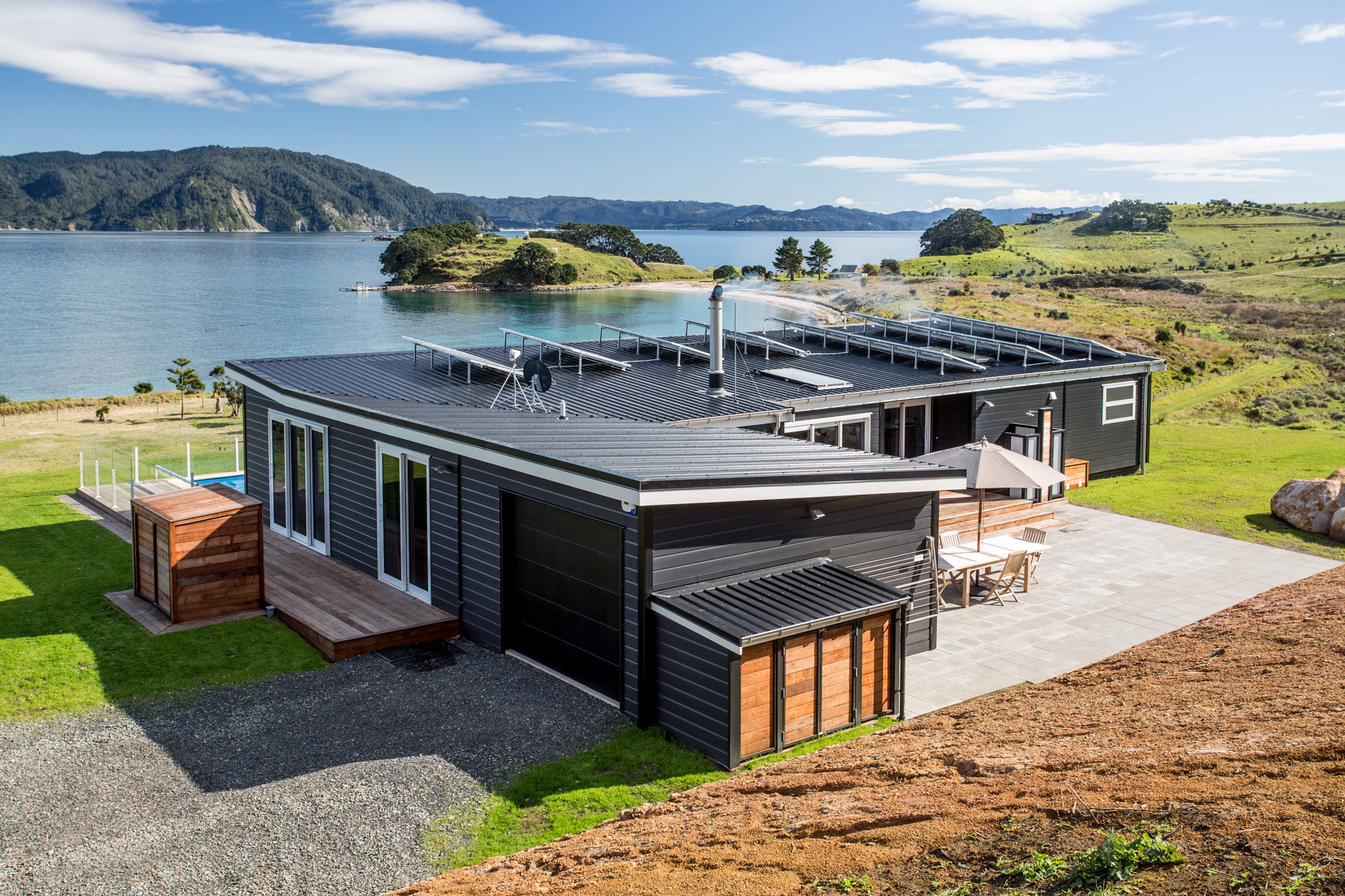
Living off-grid requires a fundamental shift in how you view resources. In the city, water and electricity are invisible utilities. Here, they are tangible responsibilities. I spent my third morning learning the intricate dance of the solar inverter and the rainwater catchment system. If I want a hot shower, I have to check the sky. If the clouds are heavy, the shower is cold. It is a simple, beautiful, and sometimes frustrating trade-off.
Logistics: The Art of Waiting for Supplies
One of the biggest misconceptions about remote island life is that you are entirely self-sufficient from day one. The reality is that you are entirely dependent on logistics. Whether you are in the Pacific or a tropical archipelago, the supply chain is your lifeline.
<img alt="Remote island working | Feature | Law Gazette" src="https://d1d8vslyhr7rdg.cloudfront.net/Pictures/1024×536/6/2/3/108623speeryislandandmanatibay731187.jpg” style=”max-width:100%; height:auto; border-radius:8px; margin: 1rem 0;” />
During my first week, I realized that forgetting a single staple—like coffee filters or batteries—isn’t a five-minute trip to the corner store. It is a multi-week logistical challenge. I’ve started keeping a “master inventory” list, a practice common among long-term island residents. Here is what I learned about managing needs in 2026:
- Prioritize shelf-stable goods: If it doesn’t last three months, don’t buy it.
- The “Cargo Boat” mindset: You learn to plan your meals around when the boat arrives, not when you feel hungry.
- Redundancy is key: If you have one way to make power, you have zero. Invest in backup systems immediately.
The Physicality of the Remote Lifestyle
I thought I was “active” in the city because I walked to the gym. On the island, my entire week has been a workout. Hauling groceries from the dock to the cabin, cleaning solar panels of debris, and manual gardening—my body is exhausted in the best way possible.

There is a profound sense of accomplishment that comes with manual labor. When I fixed a leak in the roof on day five, I didn’t call a contractor. I climbed up, assessed the damage, and patched it. The gratification of solving a problem with your own hands is something that modern city life often strips away.
The Mental Shift: Is It Worth It?
As I wrap up my first week, I find myself checking my phone less and the horizon more. The “FOMO” (fear of missing out) that defined my 2025 has been replaced by a JOMO (joy of missing out). I am not missing the endless political debates on social media or the crushing pressure of the 24-hour news cycle.
However, the isolation is real. By day six, the urge to talk to someone—anyone—hit hard. I spent an hour chatting with a local fisherman about the currents, and it felt like the most important conversation of my life. Living on a remote island isn’t just about escaping people; it’s about redefining connection.
Final Thoughts on My First Week
My first week living on a remote island has been a blur of logistical hurdles, stunning sunrises, and a slow, rhythmic recalibration of my internal clock. I have 83 days left to decide if this is a permanent lifestyle or a beautiful, temporary experiment.
If you are considering this path in 2026, my advice is simple: Don’t romanticize the struggle. Embrace the cold showers, the logistical planning, and the silence. It is not an escape from reality; it is a shift into a much more demanding, and ultimately more rewarding, version of it.