
The year is 2026, and travel has never been more accessible—or more expensive. As global tourism surges, a sophisticated, invisible “tourist tax” has become the norm. From the moment you step off the plane, you are being profiled by algorithms and vendors alike, all designed to extract maximum profit from your wallet.
Avoiding the “tourist premium” isn’t about being cheap; it’s about being travel-savvy. Whether you are navigating a bustling bazaar in Marrakesh or ordering a latte in a European capital, the secret to saving money lies in shifting your behavior from “vacationer” to “temporary local.”
1. The Art of the “Three-Shop Rule”
One of the most common ways travelers overpay is by succumbing to the urgency of the souvenir. If you see a “hand-crafted” item in a shop directly next to a major monument, walk away.
- Check the Competition: Before making any significant purchase, visit at least three different markets or shops.
- Identify Identical Items: If you see the exact same “unique” figurine in five different stalls, it is mass-produced. Do not pay artisan prices for factory goods.
- Negotiate with Data: Use the prices you saw at the first two shops to negotiate a fair price at the third. Never accept the first price offered.
2. Master the “Local” Search Strategy
In 2026, your smartphone is your most potent weapon against price gouging. While big-name travel aggregators are useful, they often prioritize high-commission partners.
Avoid the “Tourist Trap” trap by using these digital hacks:
- Geo-Tag Filtering: Use social media platforms to search for local hashtags in the native language of your destination. Look for where locals are eating, not where influencers are posing.
- Price Check Apps: Utilize real-time currency and price-comparison tools. If a meal or a taxi ride costs significantly more than the local average found on forums like Reddit or specialized travel blogs, you are likely being targeted.

3. Sidestep Hidden Fees and Upsells
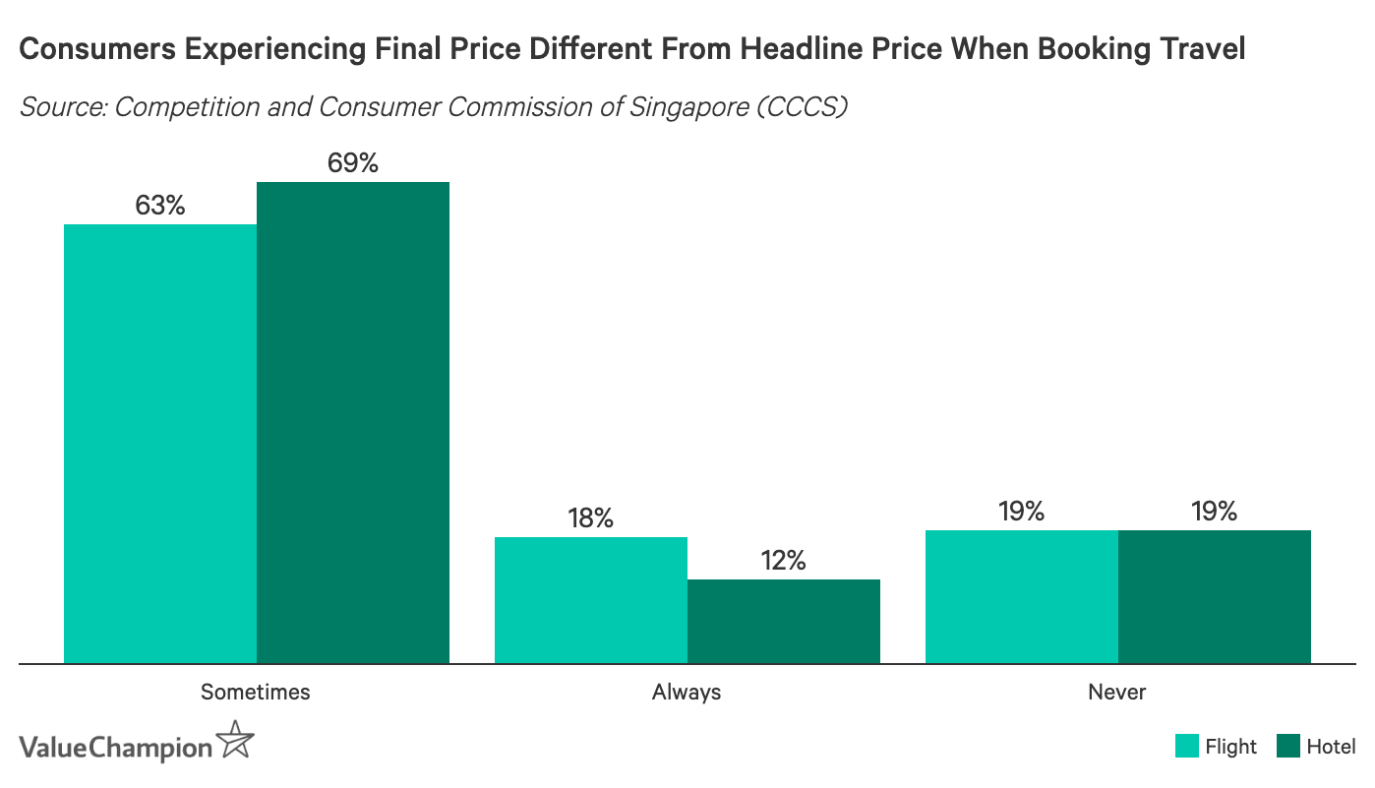
The modern travel industry is built on a foundation of hidden costs. From resort fees that aren’t included in the booking price to “dynamic pricing” for flights that changes based on your search history, the system is rigged.
- Use Incognito Mode: Always search for flights and hotels in a private browser window. This prevents travel sites from tracking your interest and artificially inflating prices based on your search history.
- Read the Fine Print: Before booking, check for “resort fees” or “service charges.” In 2026, many hotels hide these costs until the final payment screen.
- Avoid Airport Currency Exchanges: This is the golden rule of travel. The exchange rates at airports are designed to exploit travelers in a hurry. Always use a local ATM or a digital bank card that offers mid-market exchange rates.
4. Eat Where the Language Barrier is Real
If a restaurant has a menu with photos of the food, a “tourist menu” in four different languages, and a waiter standing outside trying to pull you in, keep walking.
Authentic destinations rarely need to advertise to you. If you want to avoid overpaying for a mediocre meal, walk three blocks away from the main square. If the menu is only in the local language and the place is crowded with residents, you have found a goldmine. You will pay 40-60% less for food that is infinitely better.

5. Transportation: The “Taxi Trap”
Taxis are the number one source of overpayment for tourists. In many popular cities, drivers expect to charge a flat, inflated rate to anyone who looks like a visitor.
- Use Ride-Sharing Apps: Apps like Uber, Bolt, or local equivalents (like Grab in Asia) provide upfront, transparent pricing. This eliminates the “negotiation” phase where the driver decides your fare based on your accent.
Ask for the Meter: If you must take a traditional taxi, insist on the meter being turned on before* you put your luggage in the trunk. If they refuse, close the door and find another driver.
- Master Public Transit: In 2026, Google Maps and Citymapper have made navigating local buses and trains incredibly easy. It is almost always a fraction of the cost of a private car.
The Psychology of Overpaying
Ultimately, tourist traps rely on your fear of missing out (FOMO) and your desire for convenience. When you are tired, hungry, or lost, you are more likely to overpay for the first solution you find.
By planning your transit in advance and keeping a few snacks in your bag, you remove the “desperation factor.” When you aren’t under pressure, you can think clearly, negotiate effectively, and ensure your money stays in your pocket rather than lining the pockets of those who profit from your lack of local knowledge.
Conclusion: Travel Smarter in 2026
The goal of travel is to experience the world, not to be treated like an ATM. By researching local customs, avoiding the “main street” vendors, and utilizing modern technology to bypass hidden fees, you can stretch your budget further. Remember, the most authentic experiences are rarely the most expensive ones—they are simply the ones you take the time to find.