
There is a specific, heart-pounding moment every diver remembers. It isn’t the first time you see a shark or a massive wreck; it’s that first breath you take underwater, realizing that the regulator actually works and you are officially breathing in an alien world. I remember my first "real" ocean dive in Thailand. I was nervous, my buoyancy was erratic, and I was convinced I’d drift away into the abyss. But then, the instructor signaled for me to look down. A sea turtle, ancient and indifferent, was gliding over a coral patch. In that second, the fear evaporated, replaced by pure, unadulterated wonder.
If you are planning your first underwater adventure in 2026, choosing the right destination is the most critical decision you will make. You don’t just need a pretty reef; you need calm waters, minimal currents, and professional, patient instructors who can turn a nervous novice into a confident diver.

Why Location Matters for Your First Bubbles
When I started, I thought all diving was the same. I was wrong. Some places are "drift diving" paradises where you are essentially a passenger in a fast-moving current—terrifying for a beginner. Others are shallow, protected lagoons where you can practice your buoyancy until your heart's content.
For a beginner, the ideal dive site should have:
- Warm, clear water: Visibility is your best friend when you are learning to navigate.
- Gentle entry points: Whether it’s a boat dive or a shore entry, you don’t want to be fighting heavy surf.
- Safety infrastructure: Access to high-quality dive centers with certified instructors who prioritize safety over volume.
- Shallow depths: Staying within the 10–18 meter (30–60 foot) range keeps you safe and allows you to enjoy the reef without worrying about complex decompression stops.
1. Bonaire: The Shore Diving Capital of the World
If you ask any seasoned diver where they wish they had learned, the answer is almost always Bonaire. Located in the Dutch Caribbean, this island is a playground for beginners.
My experience in Bonaire was transformative because of the freedom. Unlike other places where you are tethered to a rigid boat schedule, Bonaire is famous for shore diving. You pick up a tank, drive your rental truck to a site marked by a yellow rock, and walk right in. It removes the pressure of "keeping up" with a group on a boat. The reefs are incredibly healthy, and the water is consistently warm, making it the perfect "training wheels" destination.
2. Koh Tao, Thailand: The Global Hub for Certification
If you want to get your PADI or SSI certification, there is no place more iconic than Koh Tao. I spent a month here years ago, and I still think back to the vibrant atmosphere.
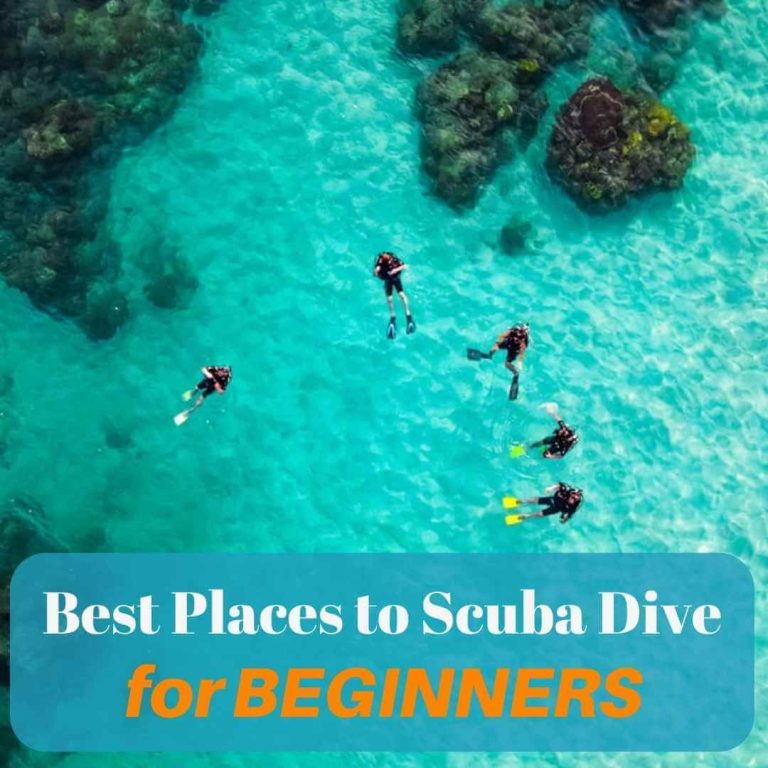
Koh Tao is unique because it is entirely geared toward the learner. The island is small, the pace is slow, and the cost of training is among the most competitive in the world. The dive sites like Japanese Gardens are shallow, protected, and teeming with butterflyfish and blue-spotted rays. It’s the kind of place where you can complete your certification in the morning and be sipping a coconut on the beach by the afternoon.
3. The Cayman Islands: Crystal Clear Comfort
The visibility in the Cayman Islands is legendary. When I dived there, I felt like I was floating in glass. For a beginner, this is a massive confidence booster. When you can see 30 meters (100 feet) in any direction, you never feel lost or disoriented.
The diving here is incredibly diverse. You have shallow reefs that are perfect for those still working on their buoyancy, and the famous Stingray City, where you can interact with friendly rays in just a few meters of water. It’s a gentle introduction to the Caribbean’s marine life that feels like an aquarium brought to life.
4. The Great Barrier Reef, Australia
You cannot talk about scuba diving without mentioning the Great Barrier Reef. Many beginners are intimidated by its size, but the key is choosing the right operator.
I recommend booking a liveaboard trip that specifically caters to novices. These boats take you to protected outer reefs where the currents are non-existent and the coral coverage is breathtaking. Watching a giant clam or a reef shark from a safe distance is a rite of passage every diver should experience. The sheer scale of biodiversity here ensures that even on your first dive, you are seeing things that people dream about for a lifetime.

5. The Maldives: Luxury Meets the Lagoon
While the Maldives is often seen as a honeymoon destination, its geography makes it an absolute dream for beginners. Most resorts are built on private islands surrounded by shallow, sandy lagoons.
This is the best place to practice your "skills" (the exercises you do to get certified). Because the water is so calm and shallow, you don’t have to worry about waves knocking you over while you’re trying to clear your mask. Plus, the marine life is so abundant that you’ll see turtles and reef sharks just by snorkeling off your villa’s deck. It’s the ultimate "stress-free" initiation into the world of diving.
How to Prepare for Your First Dive Trip in 2026
Before you pack your bags, here are a few "tribal secrets" I’ve learned over the years:
- Get a Medical Check: Diving is safe, but it requires a baseline level of health. Don't skip the medical questionnaire.
- Invest in Your Own Mask: Rental gear is fine, but a mask that fits your face perfectly changes everything. A leaking mask is the #1 reason beginners get frustrated.
- Practice Your Breathing: If you’re a swimmer, you’re ahead of the game. If not, practice slow, rhythmic breathing before you even hit the water. Panic is the enemy; steady breath is the cure.
- Listen to Your Instructor: I once ignored a tip about buoyancy and spent the whole dive fighting to stay off the coral. Trust the pros; they’ve seen every mistake a thousand times before.
FAQ: Your Burning Questions Answered
Q: Do I need to be a great swimmer to learn scuba diving?
A: You don’t need to be an Olympic athlete, but you should be comfortable in the water. Most certification agencies require you to swim 200 meters and float for 10 minutes. It’s about confidence, not speed.
Q: How long does it take to become a certified diver?
A: Usually, a PADI or SSI Open Water course takes 3 to 4 days. This includes classroom theory, pool sessions, and four open-water dives.
Q: What if I get scared underwater?
A: It is completely normal to feel nervous. Your instructor is trained specifically to manage that anxiety. Just remember: you have a backup air source, and you are never alone.
Q: Is 2026 a good year to start diving?
A: Absolutely. With advancements in gear technology and better digital training tools (like e-learning), getting certified has never been more efficient or safer.
Conclusion
The ocean covers 70% of our planet, and for most of our lives, we only see the surface. When you take those first steps into the "best islands for scuba diving beginners," you aren't just going on a vacation; you are gaining a passport to a new dimension. Whether it’s the shore-diving freedom of Bonaire or the professional training hubs of Koh Tao, the world is waiting for you to take that first breath.
Don't wait for the "perfect" time. The reef is vibrant, the turtles are swimming, and your underwater journey is ready to begin. Grab your fins, find a reputable center, and get ready to see the world from a perspective few ever get to witness.
Referencias
- PADI Blog — The 7 Most Epic Dive Sites for Beginners, 2026
- Seaduction Diving — Beginner-Friendly Dive Destinations, 2025
- Scuba Diving Earth — Best Places to Scuba Dive for Beginners: 10 Amazing Destinations, 2026
- Spirit Liveaboards — Top 10 Scuba Dive Destinations for Beginners, 2026
- Dive Odyssea — Top 10 Scuba Diving Destinations for Beginners, 2026