
There is a specific, almost spiritual moment that happens when you first step onto a truly white sand beach. It isn’t just the visual contrast against the electric blues of the ocean; it is the physical sensation of the sand beneath your feet. In 2026, I spent months traveling from the South Pacific to the Caribbean, hunting for those elusive shores that feel like walking on powdered sugar.
Many people ask me, "Isn't all sand the same?" My answer is always a firm "no." While golden-brown beaches have their charm, white sand beaches—often composed of pure silica or pulverized coral—possess a unique ability to reflect light and remain cool even under the harshest midday sun. If you are planning your bucket-list escape for 2026, you need to know exactly where to find the most pristine coastlines on the planet.
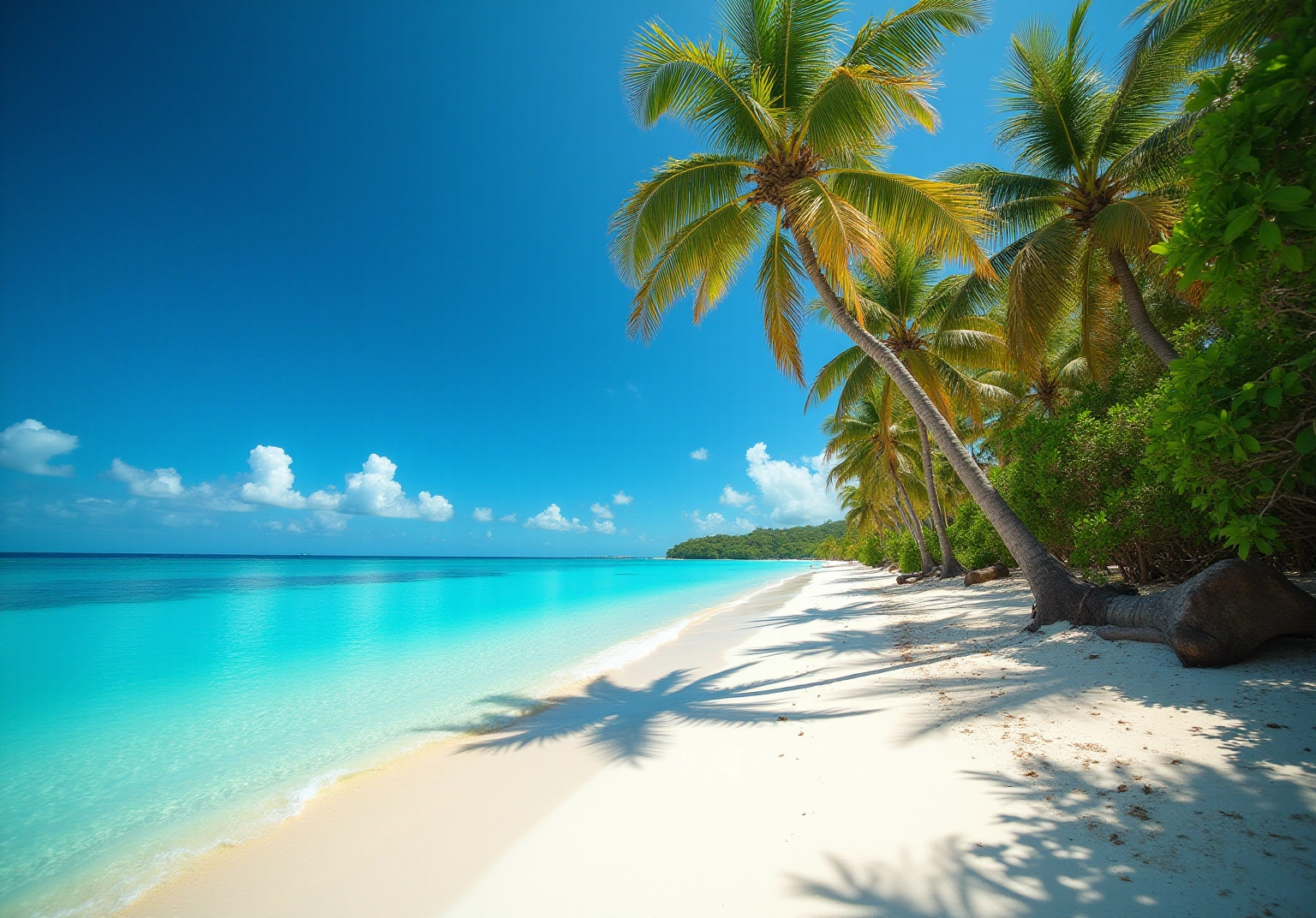
Why White Sand Beaches Are the Ultimate Travel Fantasy
The science behind the "glow" is fascinating. In places like Whitehaven Beach in Australia, the sand is nearly 98% pure silica. Because of its mineral composition, it doesn't hold heat like volcanic sand or darker grains. When I visited, I walked barefoot across the shore at high noon, and it felt like walking on a cool, soft carpet.
In the Caribbean and the Maldives, the sand is typically derived from crushed coral and shells. This calcium carbonate structure creates that iconic, blindingly bright white hue that photographers crave. Beyond the aesthetics, these islands offer a level of serenity that is hard to find elsewhere. Whether you are looking for a secluded romantic hideaway or a vibrant snorkeling hub, the world’s best islands with white sand beaches provide the perfect backdrop for a transformative travel experience.
1. The Whitsunday Islands, Australia: The Gold Standard
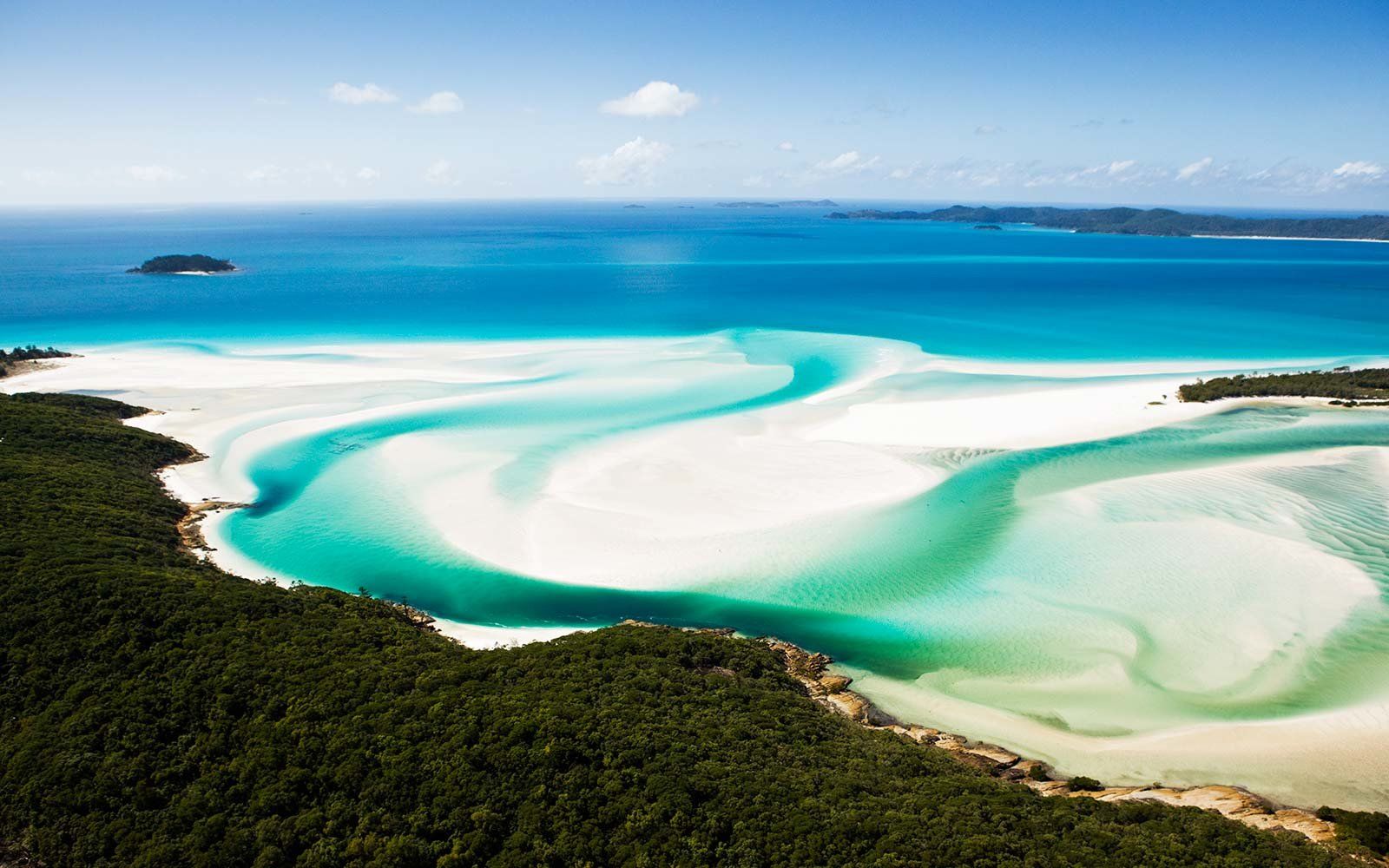
If you only visit one beach in your lifetime, make it Whitehaven Beach. Located in the heart of the Great Barrier Reef, this four-mile stretch is the reason people dream of Australia.
- The Experience: Accessing this beach requires a boat or a seaplane from Airlie Beach. I opted for a seaplane, and seeing the Hill Inlet swirling patterns from above was a life-changing moment.
- Pro Tip: Don't bring shoes. The sand is so fine that it can damage delicate camera equipment if you aren't careful, but your feet will love the velvety texture.
- Best Time to Visit: May through September offers the most comfortable temperatures and clearest skies.

2. Providenciales, Turks and Caicos: Luxury Meets Nature
Grace Bay Beach is consistently ranked as one of the world's best, and for good reason. During my stay, I was struck by the absolute clarity of the water. Because a massive barrier reef sits a mile offshore, the waves are tamed, creating a giant, turquoise swimming pool.
- Why it wins: There is zero pollution and virtually no seaweed on the main stretches. It is arguably the most "perfect" beach for those who want a blend of high-end luxury resorts and raw natural beauty.
- Personal Discovery: I found that renting a kayak and paddling toward the reef during the early morning was the best way to avoid the mid-day crowds.
3. La Digue, Seychelles: The Photographer’s Dream
Anse Source d’Argent is perhaps the most photographed beach in the world. When I arrived, I felt like I had stepped onto a movie set. The juxtaposition of the giant, weathered granite boulders against the turquoise water and white sand is something you have to see to believe.
- The Vibe: It is intimate and quiet. You have to pay a small entrance fee to access the park, but it is well worth it to maintain the pristine condition of the area.
- Must-Do: Bring your snorkeling gear. The coral reefs just off the shore are teeming with vibrant marine life, and the water is so shallow that even beginners feel confident.
4. Koh Lipe, Thailand: The Hidden Andaman Gem
Often called the "Maldives of Thailand," Koh Lipe is a small island in the Andaman Sea. I spent three days at Sunrise Beach, and it was one of the most relaxing experiences of my life.
- The Atmosphere: Unlike the more commercialized Thai islands, Koh Lipe retains a laid-back, "barefoot" culture. You can walk the entire island in under an hour.
- The Secret: Wake up before dawn. Watching the sun rise over the flat, white horizon while sitting in the warm sand is a core memory I’ll never forget.
5. Zanzibar, Tanzania: Exotic Paradise
Nungwi Beach in northern Zanzibar is the definition of "exotic." The sand here is remarkably bright, contrasting with the traditional dhow boats that bob in the water.
- What to expect: It is a lively beach with a great cultural pulse. You’ll see local fishermen, turtle conservation efforts, and some of the best seafood shacks I have ever encountered.
- Advice: Be mindful of the tides. When the tide goes out, the beach expands for hundreds of yards, revealing tide pools that are perfect for exploration.
Tips for Visiting the World’s Best White Sand Beaches
As someone who has spent far too much time carrying sand in my suitcase, here are my top survival tips for your 2026 beach vacation:
- Use Reef-Safe Sunscreen: Many of these islands have delicate coral ecosystems. Standard sunscreens contain chemicals that bleach and kill coral. Always check the label.
- Leave No Trace: It sounds cliché, but these beaches are fragile. If you bring it in, bring it out. I make it a habit to pick up at least one piece of plastic every time I leave the beach.
- Timing is Everything: Aim for the "shoulder season" of your chosen destination. You get the same white sand and turquoise water for a fraction of the price and with half the crowds.
- Protect Your Gear: Fine silica sand is the enemy of electronics. Invest in a waterproof, sand-proof dry bag for your phone and camera.
Frequently Asked Questions (FAQ)
Which island has the whitest sand in the world?
While it is subjective, Whitehaven Beach in Australia is widely considered to have the whitest, purest silica sand on Earth. Its 98% silica content creates a brilliant, reflective white color.
Is it expensive to visit these white sand islands?
It varies. While islands like the Seychelles or Turks and Caicos cater to luxury travelers, places like Koh Lipe in Thailand or parts of Zanzibar offer very affordable accommodation options if you plan ahead.
What causes the sand to be so white?
Most white sand is either made of pure quartz (like in Florida or Australia) or crushed coral and shell fragments (common in the Caribbean and the Maldives). The lack of organic impurities is what keeps the color so bright.
Are these beaches safe for swimming?
Generally, yes. Many of the world’s top white sand beaches are protected by barrier reefs, which keep the water calm and safe. However, always check local signage regarding currents and tide conditions.
Conclusion: Planning Your 2026 Escape
Choosing among the best islands with white sand beaches is a "good problem" to have. Whether you are drawn to the dramatic granite boulders of the Seychelles, the luxury seclusion of Turks and Caicos, or the raw, silica-rich shores of the Whitsundays, your perfect beach is waiting.
The most important takeaway from my travels is that these places are not just vacation spots; they are environments that deserve our respect and protection. As you plan your 2026 journey, focus on slow travel. Spend more time on one island rather than hopping between five. Sink your toes into that perfect, cool, white sand, disconnect from your devices, and truly embrace the paradise you’ve worked so hard to reach.
References
- Travel and Leisure — 15 Best White-sand Beaches Around the World, 2026
- Beach Beach Beach — The Best White Sand Beaches Around the World, 2026
- Eco Lodges Anywhere — 25 White Sand Beaches That Are Truly White, 2025
- World Wild Schooling — 12 Beautiful White Sand Beaches in the World That Should Be on Your Bucket List, 2026
- Isle Explorer — Best Island Beaches in 2026: Paradise Found, 2026
- Tripadvisor — Travelers' Choice Awards: Best of the Best Beaches, 2026