
If you are anything like me, the mere mention of "tropical island" triggers a Pavlovian response: you start smelling salt air, feeling the humidity on your skin, and hearing the distant, rhythmic thrum of waves against a reef. But in 2026, the definition of a perfect island escape has shifted. We aren’t just looking for a lounge chair and a cocktail; we are hunting for untamed wilderness, endemic biodiversity, and ecosystems that remind us how wild this planet truly is.
I’ve spent the better part of the last decade hopping from the Indian Ocean to the South Pacific, often with nothing but a beat-up backpack and a waterproof camera. I’ve made my share of mistakes—like trying to hike a volcanic ridge in flip-flops in Réunion or underestimating the current in the Maldives—but those missteps led to the most profound discoveries.
If you are a nature lover craving a deep connection with the earth, this guide is for you. Here are the best tropical islands for nature lovers in 2026, curated from real-world experience.
1. The Galápagos Islands, Ecuador: A Living Laboratory
When I first stepped onto the volcanic rock of the Galápagos, I felt like I had traveled back to the Jurassic period. This isn't your typical "sit by the pool" island destination. It is a living museum of natural history.
Why Nature Lovers Adore It
The isolation of these islands has allowed species to evolve without human interference. Whether you are snorkeling with playful sea lions, watching a blue-footed booby perform its courtship dance, or standing inches away from a giant tortoise that has been alive since before your parents were born, the immersion is absolute.
Pro-Tip for 2026
Do not try to wing it. Book a small-ship expedition cruise. It allows you to reach the outer islands where the wildlife is most abundant and undisturbed. The regulations are strict for a reason—to preserve the most fragile ecosystem on Earth.

2. The Seychelles: Granitic Wonders and Prehistoric Giants
The Seychelles are not just beautiful; they are geological time capsules. These islands are the remnants of the supercontinent Gondwana, which began to break apart 180 million years ago. When you walk among the massive, smooth, primordial boulders on the beaches of La Digue, you are quite literally walking on history.
The Biodiversity Factor
The Aldabra giant tortoises here are legendary. Some can weigh up to 550 pounds and live for 150 years. Walking through the Vallée de Mai, a UNESCO World Heritage site, feels like stepping into a prehistoric jungle.
My Personal Discovery
I once spent an afternoon on Desroches Island just watching the coconut forests transition into white-sand beaches. The silence is profound. It’s the perfect place to disconnect from the digital world and reconnect with the rhythm of the tides.
3. Réunion Island: The Adventurer’s Playground
If you are tired of flat, sandy beaches and want a destination that pushes you physically, head to Réunion. This French overseas department in the Indian Ocean is a volcanic masterpiece.
Hiking the Cirques
The island is defined by its three massive cirques—natural amphitheatres formed by collapsing volcanoes. Hiking the Piton de la Fournaise, one of the world’s most active volcanoes, is a bucket-list experience. Watching the glowing lava flow at night is a stark reminder of the earth’s raw power.
Why it’s Unique
It’s a melting pot of cultures—French, Indian, African, and Chinese. You can hike a rugged volcanic peak in the morning and dine on an incredible Creole curry by the coast in the evening.

4. The Cook Islands: The Pinnacle of Eco-Tourism
In 2026, the Cook Islands remain the gold standard for sustainable, small-scale tourism. With 15 islands spread across a massive maritime protected area, this is a sanctuary for those who value conservation.
Aitutaki Lagoon
I still dream about the lagoon at Aitutaki. It is arguably the most beautiful stretch of water on the planet. Because it is a protected area, the coral reefs are vibrant and teeming with giant clams and reef sharks that are completely unbothered by human presence.
The Local Vibe
Unlike the high-density resorts of other chains, the Cook Islands maintain a "laid-back island time" pace. You are more likely to be invited to a local church service or a community feast than to be stuck in a tourist trap.
5. The Maldives: Beyond the Overwater Bungalow
Yes, the Maldives is famous for luxury, but for the nature lover, it is an underwater kingdom. The archipelago consists of 26 atolls that form a natural barrier in the Indian Ocean.
Diving and Snorkeling
If you aren't spending 80% of your time underwater, you are missing the point. The bioluminescent beaches at night are not a myth—they are a breathtaking chemical reaction that makes the shoreline look like a mirror of the starry sky above.
My "Mistake"
I once stayed at a resort that didn't focus on house-reef conservation. I learned the hard way that not all Maldives resorts are created equal. In 2026, ensure you book with properties that prioritize coral restoration programs. Your choice of stay directly impacts the health of these fragile reefs.
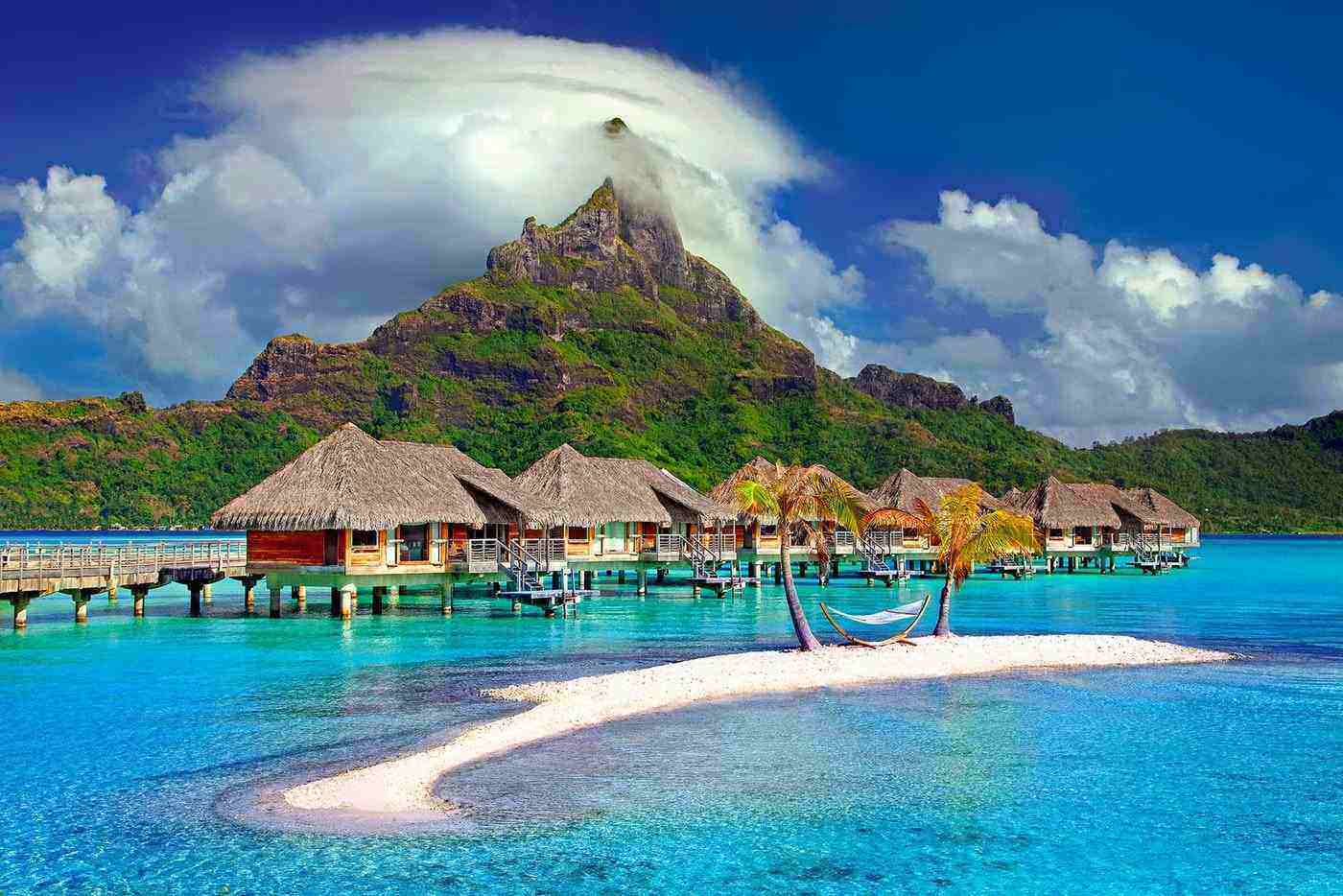
6. Bora Bora, French Polynesia: The Jewel of the Pacific
Bora Bora is the poster child for tropical paradise, but don't let the marketing fool you—it is a geological wonder. The dormant volcano, Mount Otemanu, rises from the center of the island like a jagged, emerald crown.
Why Hike It?
While most visitors stay in their bungalows, the true magic happens on the trails. Hiking the slopes of Otemanu offers a panoramic view of the lagoon that will change your perspective on the scale of the natural world.
7. The Azores: The "Hawaii of the Atlantic"
Okay, so the Azores are technically subtropical, but they are a must for nature lovers. Located in the middle of the Atlantic, these islands are lush, volcanic, and dramatic.
Why Nature Lovers Love It
If you want whales, dolphins, and crater lakes, this is your spot. The island of São Miguel is filled with thermal hot springs hidden in the jungle. It feels wild, untouched, and refreshingly cool compared to the sweltering heat of the equatorial tropics.
Expert Insights: How to Travel Sustainably in 2026
As nature lovers, we have a responsibility to leave these islands better than we found them. Here is how I approach my travel plans:
- Choose "Slow Travel": Instead of island-hopping every two days, pick one location and stay for at least a week. It reduces your carbon footprint and allows you to integrate with the local ecosystem.
- Reef-Safe Sunscreen is Non-Negotiable: Chemicals like oxybenzone are devastating to coral reefs. If it’s not mineral-based (zinc/titanium), leave it at home.
- Support Local Conservation: Many islands now have small fees that go directly to environmental preservation. Pay them gladly; they are the price of keeping these paradises alive.
Frequently Asked Questions (FAQ)
1. What is the best time of year to visit these tropical islands?
Generally, the dry season is the best time for outdoor activities. For the Maldives and Seychelles, aim for December to April. For the South Pacific, May to October offers the best weather for hiking and diving.
2. Are these destinations budget-friendly?
It depends on your style. Islands like Little Corn Island (Nicaragua) or Bali (Indonesia) offer incredible natural beauty on a modest budget, whereas the Maldives and Bora Bora are premium destinations.
3. Do I need to be an expert diver to enjoy these islands?
Not at all. Most of these locations have excellent snorkeling right off the beach. However, getting your PADI certification before you go will open up a much wider world of marine life.
4. What should I pack for a nature-focused trip?
Bring high-quality hiking sandals (not just flip-flops), a waterproof dry bag for your electronics, a reusable water bottle (to reduce plastic waste), and a high-quality pair of polarized sunglasses for spotting marine life.
5. Is it safe to travel to these islands in 2026?
Most of these destinations are very safe. However, always check your local government travel advisories before booking. The biggest risks are usually weather-related, so ensure you have comprehensive travel insurance.
Conclusion
The world’s best tropical islands are not just backdrops for a vacation photo; they are complex, breathing, and fragile systems. Whether you find yourself trekking the volcanic ridges of Réunion, diving the deep atolls of the Maldives, or standing in awe of the ancient tortoises in the Galápagos, remember that you are a guest in someone’s home.
In 2026, the most rewarding travel experiences aren't found in the most expensive resorts, but in the moments where you stop, listen to the forest, and realize how vast and beautiful this world remains. Pack your gear, respect the land, and go find your piece of paradise.
References
- Afar Magazine — 10 Tropical Island Getaways Worldwide for People Who Are Tired of Being Cold, 2026
- Nomadics Age — 18 Best Tropical Islands Vacations for Stunning Beaches and Relaxation, 2025
- Ordinary Traveler — 20 Best Tropical Islands to Visit, 2025
- Isle Keys — 15 of the World’s Most Beautiful Tropical Islands, 2025
- Jenny Brocious — 27 Tropical Islands So Drop-Dead Gorgeous You’ll Reconsider Your Life Choices, 2026
- Touristy Travel — 25 Best Islands for a Perfect Tropical Vacation, 2025