
I still remember the absolute terror of my first attempted scuba dive. It wasn't on a pristine tropical island; it was in a murky, freezing lake with less than two meters of visibility. I panicked, spat out my regulator, and bolted to the surface. For a long time, I thought scuba diving simply wasn't for me.
But then, I booked a trip to a tropical island, took a deep breath, and tried again. The difference was night and day. Gliding through crystal-clear, warm water with 30 meters of visibility, surrounded by vibrant coral reefs and gentle sea turtles, I finally understood the magic of the underwater world.
If you are looking to start your underwater journey, choosing the right destination is the single most important decision you will make. In this guide, I’ll share my hard-won personal insights, the exact criteria that make an island perfect for novices, and the absolute best scuba diving islands for beginners to visit in 2026.
What Actually Makes an Island "Beginner-Friendly"? (My Hard-Won Checklist)
Before you book a flight to the first tropical island you see on Instagram, you need to understand that not all dive spots are created equal. Some islands feature treacherous drop-offs, ripping currents, and unpredictable swells that can terrify a new diver.
Through my own trials and errors, I’ve learned to look for islands that meet these four non-negotiable criteria:
- High Visibility (20–30 Meters): For a beginner, nothing triggers anxiety faster than "low viz." Clear water allows you to stay oriented, see your instructor clearly, and keep track of your dive buddy at all times.
- Minimal Currents and Surge: You want to avoid "drift dives" where the ocean moves you like a leaf in the wind. The best beginner sites are located in protected bays or on the leeward (sheltered) side of islands where the water is as calm as a swimming pool.
- Shallow Depths with Sandy Bottoms: As a new diver, your buoyancy control won't be perfect. Ideal training sites are shallow (between 5 and 12 meters) and feature flat, sandy bottoms. This gives you a safe place to kneel and practice your skills without damaging fragile coral reefs.
- World-Class Dive Infrastructure: Look for islands with a high density of PADI 5-Star or SSI Diamond dive centers. Reputable shops provide well-maintained rental gear, small group ratios (ideally 4:1 or less), and experienced instructors who specialize in teaching nervous beginners.
The Best Scuba Diving Islands for Beginners: Tried, Tested, and Loved
These are the islands where I—and thousands of other divers—discovered the joy of breathing underwater. Each of these destinations offers the perfect blend of safety, ease, and jaw-dropping marine biodiversity.
1. Koh Tao, Thailand: The Global Certification Capital
Often called the "certification capital of the world," Koh Tao in the Gulf of Thailand is where I finally conquered my fear of diving. The island is practically designed for beginners. The water is incredibly warm year-round (usually around 29°C/84°F), and the dive sites are located just a short boat ride from the shore.
When I did my training dives at Mango Bay and Twins, I was amazed by how gentle the conditions were. There was absolutely no current, and the sandy patches between the coral pinnacles made practicing mask clears and regulator recoveries stress-free. Plus, because of the high volume of students, the instructors here are incredibly patient and highly skilled at managing beginner anxiety.
- Iconic Marine Life: Blue-spotted stingrays, butterflyfish, and friendly hawksbill turtles.
- Best Time to Visit: March to August.
- My Personal Tip: Book your course with a medium-sized dive school that limits group sizes to four students per instructor. It makes a world of difference for personalized attention.
2. Grand Cayman, Cayman Islands: The Caribbean's Crystal Aquarium
If you want unparalleled visibility, the Cayman Islands should be at the top of your list. Grand Cayman offers some of the most consistent, crystal-clear diving conditions in the Caribbean, with visibility frequently exceeding 30 meters (100 feet).
Here is what happened when I tried diving in Grand Cayman: I felt like I was floating in mid-air. The water is so clear that you lose all sense of depth, which is incredibly comforting when you are still mastering your buoyancy.
The island's famous Stingray City is a shallow sandbar (only about 4 meters deep) where you can stand or kneel while dozens of gentle southern stingrays glide around you. It is the ultimate confidence-builder for anyone nervous about marine life.
- Iconic Marine Life: Southern stingrays, nurse sharks, and massive tarpon.
- Best Time to Visit: December to April.
- My Personal Tip: Visit the shallow reef at Devil's Grotto. The swim-throughs are wide, shallow, and filled with shafts of sunlight, making it feel like a cathedral underwater.
3. Bonaire: The Ultimate Shore Diving Freedom
Located in the Dutch Caribbean, Bonaire is legendary in the diving community. What makes Bonaire unique is its focus on shore diving. The entire island is surrounded by a protected marine park, and the reef starts just a few meters from the water's edge.
When I visited Bonaire, I rented a pickup truck, loaded a couple of scuba tanks into the back, and drove along the coast looking for the iconic yellow stones that mark dive sites. For a beginner, this offers an unmatched level of freedom. You don’t have to worry about boat schedules, sea sickness, or giant-striding off a high deck. You simply walk into the calm, shallow water from a sandy beach at your own pace.
- Iconic Marine Life: Seahorses, frogfish, and green moray eels.
- Best Time to Visit: Year-round (Bonaire sits outside the hurricane belt).
- My Personal Tip: Spend your first few days diving with a local guide at Bari Reef. It is incredibly calm, easy to navigate, and teeming with over 300 species of fish.
4. Havelock and Neil Island, Andaman Islands: The Untamed Paradise
If you want to escape the crowds and experience an untouched tropical paradise, the Andaman Islands in India are a dream come true. Specifically, Havelock Island (Swaraj Dweep) and Neil Island (Shaheed Dweep) offer some of the most pristine coral reefs in Asia, perfectly suited for beginners.
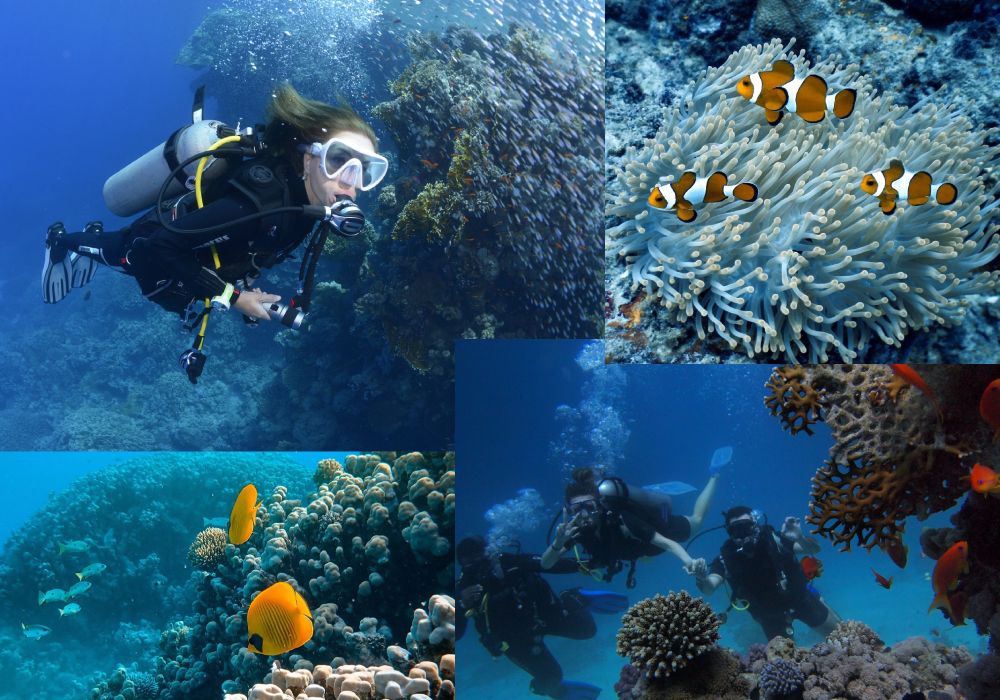
When I first dived around Neil Island, I was struck by how peaceful it was. Unlike busier hubs, you often have the dive sites entirely to yourself. The gently sloping reefs and shallow sandy channels are perfect for those taking their first breaths on scuba. Sites like Jetty Channel and Marconi's Cove offer sheltered conditions with virtually no current.
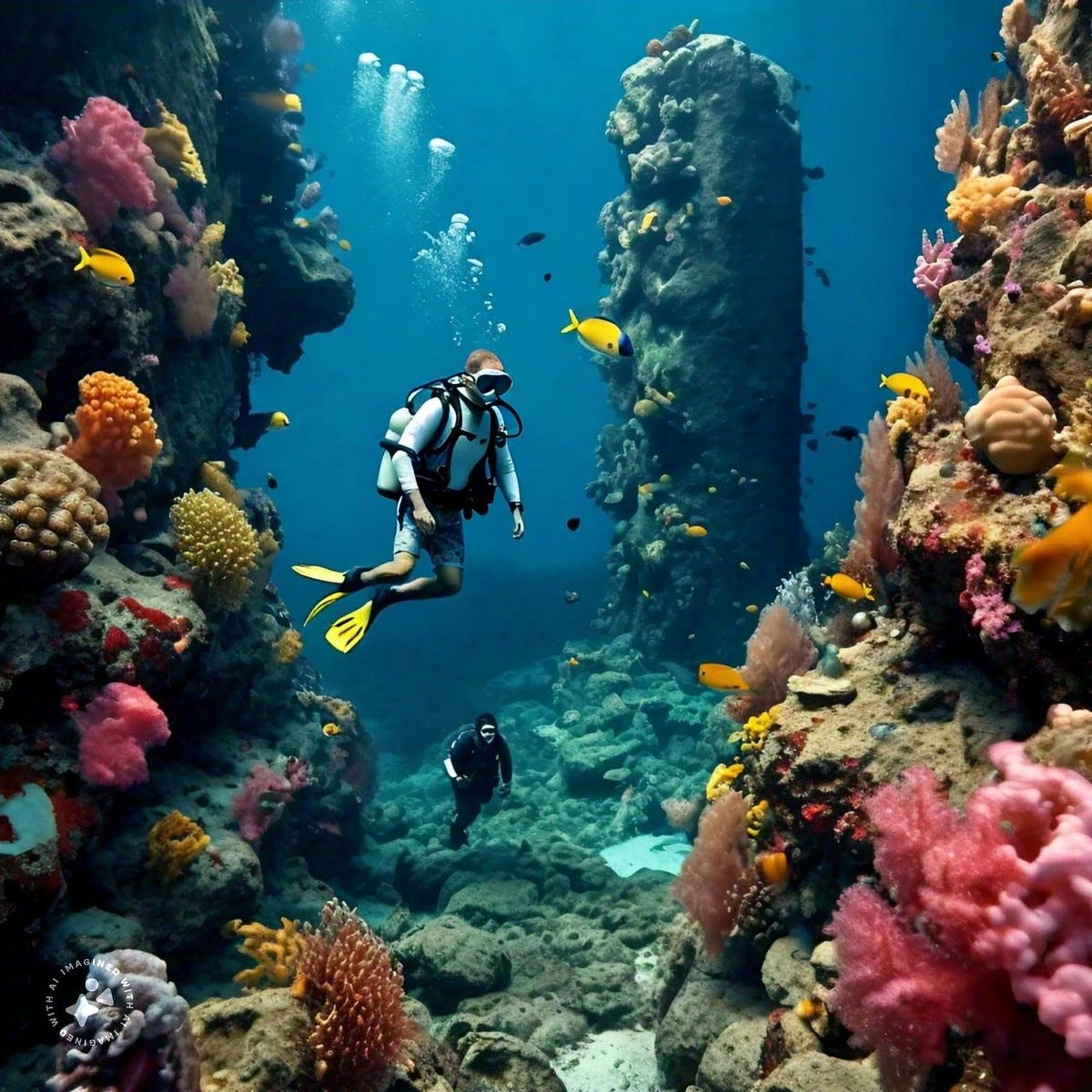
- Iconic Marine Life: Dugongs (sea cows), clownfish nesting in anemones, and vibrant parrotfish.
- Best Time to Visit: November to April.
- My Personal Tip: Keep your eyes peeled on the sandy bottoms. The Andamans are famous for hosting rare macro critters that you won't find anywhere else.
5. Mactan Island, Philippines: Macro Wonders & Easy Entry
The Philippines is situated at the heart of the Coral Triangle, the global center of marine biodiversity. While places like Tubbataha Reef are strictly for advanced divers, Mactan Island in Cebu is an absolute haven for beginners.

Mactan’s dive sites are characterized by shallow, sun-drenched coral gardens that drop off into gentle slopes. The water is warm, the dive resorts are highly professional, and the marine life is astonishingly diverse.
When I completed a shallow reef dive here, I was amazed to see nudibranchs of every color of the rainbow, school of sardines, and curious clownfish darting out of their anemones—all at a depth of just 8 meters!
- Iconic Marine Life: Nudibranchs, pipefish, lionfish, and jacks.
- Best Time to Visit: November to May.
- My Personal Tip: Choose a resort with a house reef. It allows you to step directly from the beach into your dive training without the stress of boat transits.
6. Roatan and Utila, Honduras: The Budget-Friendly Bay Islands
Nestled along the southern end of the massive Mesoamerican Barrier Reef, the sister islands of Roatan and Utila in Honduras are legendary among budget-conscious travelers and aspiring divers.
Utila is famous for its laid-back, backpacker-friendly vibe and affordable certification courses, while Roatan offers slightly more upscale eco-resorts and incredibly easy reef access. The water here is calm, warm, and protected from major ocean currents, making it an ideal classroom.
- Iconic Marine Life: Whale sharks (especially around Utila), hawksbill turtles, and spotted eagle rays.
- Best Time to Visit: March to August.
- My Personal Tip: If you want a quieter, highly structured learning environment, opt for Roatan's West End. If you want a lively social scene after your dives, head to Utila.
Confessions of a Former Panic-Prone Diver: 4 Mistakes I Made (So You Don't Have To)
When you are learning to dive, your mental state is just as important as your physical skills. Looking back at my early diving days, I made several classic mistakes that increased my anxiety. Avoid these to ensure your first island dive trip is a resounding success:
1. Equalizing Too Late
I used to wait until I felt pain in my ears before pinching my nose and blowing (the Valsalva maneuver). This is a huge mistake. By the time you feel pain, the water pressure has already locked your eustachian tubes shut.
- What to do instead: Equalize on the surface before your head even goes under, and then equalize with every single breath as you descend. If your ears hurt, signal your instructor, ascend a meter or two, and try again.
2. Holding My Breath
When I got nervous, my natural instinct was to hold my breath. In scuba diving, this is the golden rule of what not to do. Holding your breath can cause lung overexpansion injuries and actually increases the carbon dioxide in your system, making you feel more panicked.
- What to do instead: Focus on slow, deep, continuous breathing. Inhale for four seconds, hold for a brief moment, and exhale for four seconds. Treat it like underwater yoga.
3. Fidgeting with My Mask
During my open water course, my mask kept fogging up, and I kept pulling it away from my face to clear it, which let water in and triggered my panic reflex.
- What to do instead: Use a drop of baby shampoo or commercial defogger on the dry glass of your mask before you enter the water. Rub it in, rinse it quickly once, and leave it alone. A well-fitted mask shouldn't need to be adjusted constantly.
4. Skipping the Dive Briefing
I used to think the dive briefing was just a formality. I’d tune out while the divemaster explained the underwater topography and hand signals. Consequently, I’d get disoriented underwater.
- What to do instead: Pay close attention. The briefing tells you exactly what to expect, the maximum depth of the dive, the direction of the current, and what marine life you are likely to encounter. Knowing the plan reduces anxiety by 90%.
How to Choose Your First Island Dive Resort in 2026
As we step further into 2026, the dive industry has embraced incredible advancements in safety, technology, and environmental sustainability. When selecting a dive center for your beginner course, look for these modern standards:
- Green Fins Certification: In 2026, marine conservation is more critical than ever. Choose dive centers that are certified by Green Fins or other eco-conscious organizations. These shops actively teach students how to avoid damaging the reefs.
- Modern Rental Gear: Ensure the shop uses up-to-date dive computers. In 2026, even entry-level open water courses utilize smart dive computers to track your depth and nitrogen levels, making safety calculations effortless.
- E-Learning Options: Don't waste your precious island vacation time sitting in a classroom studying physics. Complete your PADI or SSI academic theory online (E-Learning) before you arrive at the island. That way, you can jump straight into the pool and ocean on day one.
Frequently Asked Questions About Beginner Island Diving
Q1: Do I need to be an Olympic-level swimmer to learn to scuba dive?
No, you do not need to be an elite swimmer. However, to get certified, you must be able to swim 200 meters without swim aids (or 300 meters with mask, snorkel, and fins) and float/tread water for 10 minutes. This is to ensure you are comfortable and self-sufficient in the water.
Q2: What is the difference between PADI and SSI? Which should I choose?
PADI (Professional Association of Diving Instructors) and SSI (Scuba Schools International) are the two largest and most widely recognized training agencies in the world. Both certifications are globally accepted. The main difference is the teaching philosophy: PADI requires skills to be performed in a very specific order, while SSI allows instructors more flexibility to adapt the training to the student's comfort level. Both are excellent; focus on finding a highly rated instructor rather than the agency logo.
Q3: Can I dive if I wear glasses or contact lenses?
Absolutely! You cannot wear glasses inside a standard scuba mask, but you have two great options: you can wear soft contact lenses underwater (just keep your eyes closed if you have to clear water from your mask), or you can rent or buy a prescription dive mask. Many dive centers on popular islands have prescription masks available for rent.
Q4: How deep do beginners actually dive?
During your initial Open Water Diver course, your very first training dives will be in shallow water (under 5 meters/15 feet). Once you progress, your certification will limit you to a maximum depth of 18 meters (60 feet). This is the sweet spot where the water is brightest, warmest, and home to the most colorful coral reefs!
Conclusion: Take the Plunge!
Learning to scuba dive was one of the most challenging yet rewarding things I have ever done. It transformed me from someone who feared the ocean into someone who schedules their entire life around dive trips.
By choosing one of these incredible scuba diving islands for beginners—whether you want the vibrant social energy of Koh Tao, the pristine isolation of the Andaman Islands, or the sheer shore-diving freedom of Bonaire—you are setting yourself up for a safe, magical, and unforgettable introduction to the big blue.
Pack your bags, complete your E-Learning, and get ready to discover a world that most people only ever see on a screen. Trust me: the view is much better down here.
References
- PADI Blog — The 7 Most Epic Dive Sites for Beginners, 2025
- A Scuba Diver — Best Places to Scuba Dive for Beginners: 10 Amazing Destinations to Start Your Diving Journey, 2026
- Scuba Diving Earth — Best Places To Scuba Dive For Beginners (10 Best Beginner Scuba Destinations), 2025
- DivePlnr — Best Diving Destinations for Beginners 2026