
There is a specific moment during every trip to the tropics that defines the entire vacation. It’s that first morning when you step off the wooden jetty, look down, and realize you aren't just looking at the ocean—you are looking through it. In 2026, as I’ve traveled across the Indian Ocean and the South Pacific, I’ve learned that not all "clear" water is created equal. Some spots are clear because of deep-sea currents, while others, like the fabled lagoons of the Maldives or the shallow banks of the Bahamas, are clear because of a perfect, delicate synergy between coral reefs, white sand, and low sediment runoff.
If you are craving that "living aquarium" experience where your feet cast sharp shadows on the sandy floor while you’re chest-deep in the sea, you’ve come to the right place. This guide is built on my personal experiences—the mistakes I’ve made, the gear I learned to pack, and the islands that actually live up to the digital hype.

Why Some Islands Have "Impossible" Water Clarity
Before we talk about where to go, we need to understand the science of clarity. I used to think it was just about how "blue" the water was. I was wrong. Water clarity—or turbidity, as the scientists call it—is determined by what is missing from the water column.
The Natural Filtration System
The clearest tropical islands in the world, such as those in the Maldives or French Polynesia, benefit from coral atoll geography. These massive, circular reefs act as natural breakwaters. They trap sediments from the open ocean and prevent them from entering the inner lagoon. When I stayed in an overwater bungalow in the Maldives last year, I was shocked to find that even during a light wind, the water around my villa remained glass-clear. That’s the "filter" at work.
The Role of White Sand
The seabed composition is just as vital as the filtration. Islands with calcium carbonate sand (derived from broken-down coral and shells) reflect sunlight back up through the water. This is what gives the ocean that "electric turquoise" glow. If you visit an island with darker volcanic sand, the water might be clean, but it won't have that iconic, neon-blue transparency that makes for a perfect postcard.
My Top 5 Tropical Island Destinations for 2026
I’ve spent years chasing the clearest water on the planet. Here are the five locations that consistently blew my mind, along with some "pro-tips" from my own travel logs.
1. The Maldives: The Gold Standard
You cannot talk about clear water without starting here. The Maldives isn't just a destination; it’s an entire ecosystem of 26 natural atolls.
- Why it wins: The visibility often exceeds 40 to 50 meters.
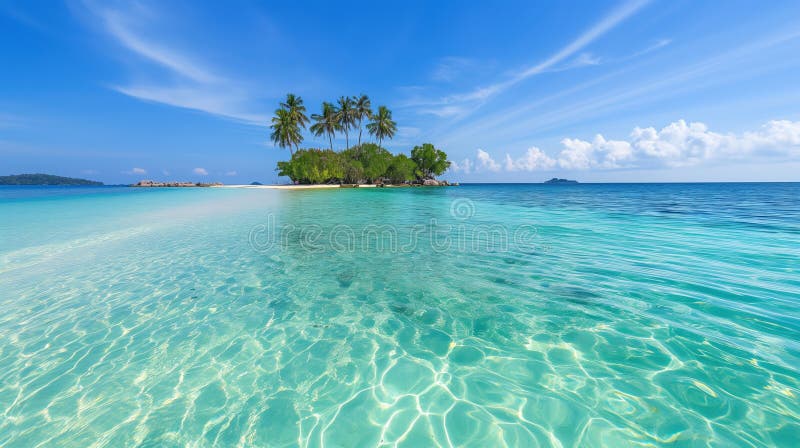
- Personal Insight: Don't just stay on the resort island. Book a local boat excursion to a "sandbank." These are tiny patches of sand that appear at low tide in the middle of the ocean. Being the only person on a sliver of white sand surrounded by 360 degrees of transparent blue is a life-changing experience.
2. Exuma, The Bahamas
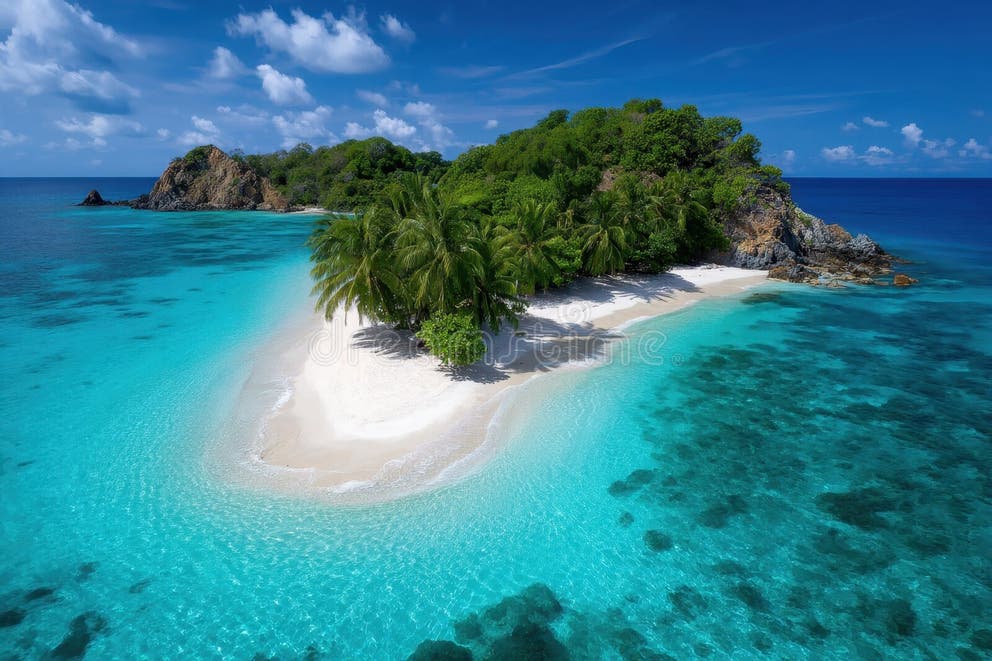
If you want the clearest water in the Western Hemisphere, go to the Exumas. I once hired a small boat to navigate the Exuma Cays Land and Sea Park. The water here is so shallow and transparent that from the air, it looks like a giant, liquid swimming pool.
- The Experience: Swimming with the famous nurse sharks or just wading in the shallows at Moriah Harbour Cay feels like floating in distilled water.
3. Bora Bora, French Polynesia
Bora Bora is the "classic" tropical island for a reason. The lagoon is protected by a massive reef, creating a calm, turquoise sanctuary.
- My Mistake: I once visited during the rainy season. While it was still beautiful, the runoff from the lush, green mountains meant the water wasn't as perfectly transparent as it was when I returned in the dry season (May to October). Timing is everything.
4. La Digue, Seychelles
This island is famous for Anse Source d'Argent. What makes it unique isn't just the water—it’s the massive, ancient granite boulders that litter the shoreline.
- Pro Tip: Rent a bicycle. The island is small, and cycling from the port to the beach through the old coconut plantations is part of the magic. The water is shallow and protected by reefs, making it perfect for children or those who just want to soak.
5. Koh Lipe, Thailand
Often called the "Maldives of Thailand," Koh Lipe is a hidden gem in the Andaman Sea.
- Why I love it: It’s more accessible and budget-friendly than the South Pacific or the Maldives, but the water quality is shockingly high. The Sunrise Beach area is perfect for morning snorkel sessions where you can spot vibrant coral and schools of tropical fish right off the sand.
How to Get the Best Visibility: A Traveler’s Checklist
If you are planning a 2026 trip, don't just pick a place and hope for the best. Use these strategies to maximize your water clarity experience:
- Check the Tide Charts: In many atolls, the water is clearest during the incoming tide, as the ocean flushes fresh, filtered water into the lagoon.
- Avoid the "Runoff" Zones: If an island has high mountains and a lot of rainfall, avoid the areas near river mouths or heavy vegetation runoff. Stick to the windward side of the island.
- Invest in Polarized Gear: A good pair of polarized sunglasses isn't just for style—it cuts the glare off the water’s surface, allowing you to see the reef structure from the boat.
- Morning vs. Afternoon: I always aim for early morning swims. By mid-afternoon, the wind often picks up, causing "chop" on the surface that makes it harder to see the bottom.
Frequently Asked Questions (FAQ)
Q: Is it true that all tropical islands have clear water?
A: Not at all. Water clarity depends on sediment levels, reef health, and ocean currents. Some islands with lush, volcanic soil have darker water because of natural erosion and runoff. Always research the specific beach or lagoon before booking.
Q: What is the best time of year to visit these islands in 2026?
A: Generally, the dry season is your best bet. For the Maldives and Seychelles, aim for November to April. For the South Pacific, May to October is prime time. Always avoid the peak of the monsoon or hurricane seasons for each region.
Q: Do I need professional scuba gear to enjoy the clear water?
A: Absolutely not. The beauty of these islands is that the water is often so clear that you can see everything you need with a simple mask and snorkel. Many of the best experiences I’ve had were in less than two meters of water.
Q: How can I help preserve these clear-water environments?
A: The biggest threat to water clarity is human impact. Always use reef-safe sunscreen, avoid touching the coral (it kills the organism and clouds the water with debris), and support local conservation efforts on the islands you visit.
Final Thoughts: The Clarity of the Spirit
There is something deeply grounding about staring into water that is perfectly clear. It forces you to slow down. You aren't just looking at the surface; you are observing the life, the rhythm, and the health of the ocean itself. In 2026, as we seek escapes from our increasingly digital lives, these tropical islands offer more than just a vacation—they offer a rare, unfiltered look at the natural world.
Whether you choose the overwater bungalows of the Maldives or the granite-studded shores of the Seychelles, remember that the most important part of the trip is the presence you bring to it. Pack light, leave the technology behind, and spend your days watching the shadows of fish dance on the white sand below.
References
- Exquisite Coasts — 11 Exquisite Clear Water Beaches From Around The World, 2026
- Jane Sophia Travel — Islands With The Clearest Water In The World (2026 Guide)
- Places With Palms — The World’s 15 Best Crystal Clear Blue Water Beaches, 2026
- Isle Keys — 15 of the World’s Most Beautiful Tropical Islands, 2026
- Savored Journeys — 17 Stunning Tropical Destinations for a Beach Vacation, 2026
- Luxury Columnist — 10 Best Tropical Islands Vacation Spots In 2026