
The dream is iconic: waking up to the rhythmic lullaby of the Indian Ocean, trading your morning commute for a barefoot stroll on white sand, and swapping corporate stress for a chilled coconut. In 2026, moving to a small Indonesian island is no longer just for the ultra-wealthy or the nomadic elite; it is a viable, budget-friendly reality for many.
However, the “island tax”—the subtle price hike for goods imported to remote locations—is a real factor to consider. If you are planning to relocate, understanding the cost of living on a small island in Indonesia requires balancing your romantic vision with the logistical realities of island life.
The Financial Landscape: Is Indonesia Still Affordable in 2026?
Despite global inflation, Indonesia remains a champion of affordability. According to 2026 Numbeo data, the average cost of living in Indonesia remains significantly lower than in Western Europe, North America, or even neighboring Singapore.
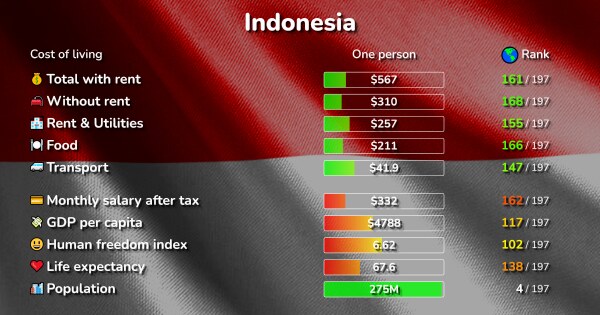
When you move from a major city like Jakarta to a smaller island—such as Nusa Penida, Gili Air, or the quieter fringes of Lombok—your monthly expenses can drop drastically. You aren’t just paying for goods; you are paying for a lifestyle shift that prioritizes experiences over material consumption.
Breaking Down the Monthly Budget
To live comfortably on a small Indonesian island, your budget will generally revolve around four main pillars. Here is what you can expect to pay in 2026:
1. Housing and Utilities
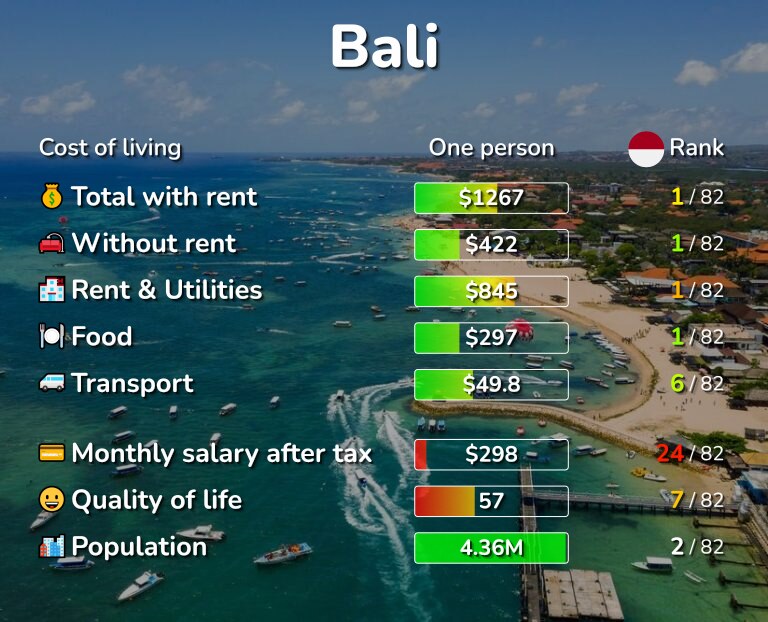
Housing is your biggest variable. While a luxury villa with a private pool might cost $1,500+ USD per month, a traditional bungalow or a modern local-style house can be secured for as little as $300 to $600 USD per month.
- Electricity: On smaller islands, electricity is often generated via diesel or solar, making it slightly pricier than on the mainland. Budget about $50–$80 USD monthly.
- Water: Most homes use well water or delivered tanks. This is usually very cheap, often included in your rent.
2. Food and Dining
Eating like a local is the secret to a low cost of living. A meal at a warung (local eatery) will cost you between $1.50 and $3.00 USD.
- Local Produce: Tropical fruits, fresh fish, and rice are incredibly affordable at local markets.
- Imported Goods: If you crave imported cheese, wine, or specific Western brands, be prepared to pay a premium. These items must be shipped in, which inflates the price significantly.
The “Island Tax”: Hidden Costs You Should Know
Living on a small island is not the same as living in a city. You must account for the logistical challenges of remote island life.
- Transportation: You will likely rely on a motorbike. Renting a scooter costs roughly $60–$100 USD per month. Fuel is cheap, but maintenance in a salty, humid environment is a recurring expense.
- Internet: High-speed fiber is spreading, but on smaller islands, you might rely on 4G/5G mobile data. Budgeting for a reliable data plan is essential for digital nomads.
- Medical Care: Small islands rarely have advanced hospitals. You must factor in the cost of a fast boat or ferry to the nearest major city (like Denpasar or Mataram) for serious medical needs. Always invest in comprehensive travel or expat health insurance.
Indonesia vs. The World: Why Choose the Archipelago?
Many people compare the Indonesian island experience to the Maldives or other tropical paradises. The competitive advantage of Indonesia is its diversity and scalability.
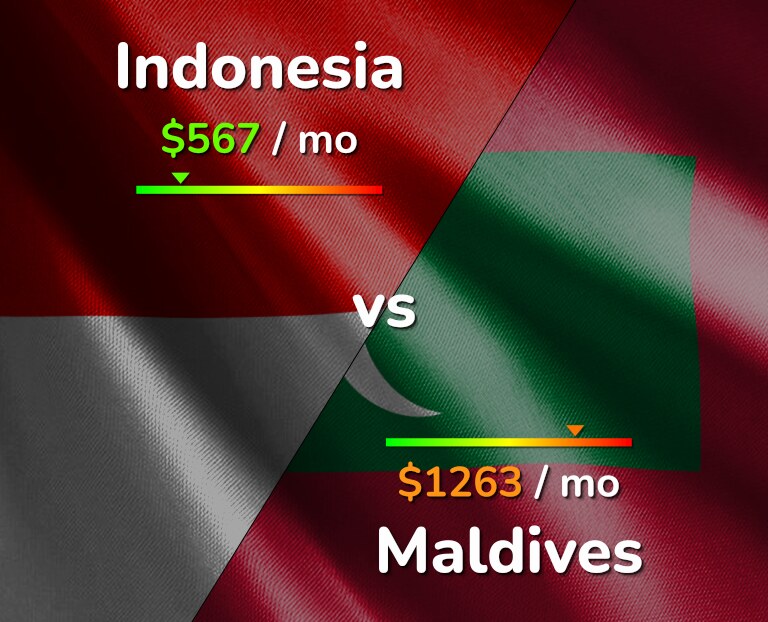
While the Maldives is often a resort-exclusive destination, Indonesia offers a vibrant local culture that allows you to integrate into a community. You aren’t just a tourist; you are a resident. Whether you choose the surf breaks of Sumbawa or the quietude of the Anambas Islands, your dollar goes much further here than in almost any other tropical destination globally.
Tips for Managing Your Budget in 2026
- Negotiate Long-Term: Renting a villa for a year instead of a month can slash your housing costs by 30-40%. Always negotiate in person.
- Shop at Local Markets: Avoid the “tourist-priced” supermarkets. The local Pasar is where you’ll find the best prices for fresh produce.
- Use Local Services: From laundry to motorbike repairs, using local service providers is not only cheaper but also helps sustain the island economy.
- Embrace the “Slow” Life: The less you try to replicate your home country’s consumption habits, the lower your costs will be.
Final Thoughts: Is the Island Life for You?
The cost of living on a small island in Indonesia is ultimately what you make of it. In 2026, it is entirely possible to live a high-quality, fulfilling life for under $1,000–$1,500 USD per month if you embrace the local rhythm.
If you prioritize freedom, nature, and community over convenience and imported luxuries, Indonesia offers an unparalleled lifestyle. Just remember to pack your patience, respect the local customs, and keep your budget flexible for the occasional island surprise.