
Picture this: you are thousands of miles from the mainland, surrounded by turquoise waters and swaying palms. Suddenly, a medical emergency strikes. In 2026, the challenge of finding medical care on a remote island is no longer just about physical maps; it is about navigating a high-tech ecosystem of satellite connectivity and digital health records.
Whether you are an intrepid traveler or a remote resident, knowing how to secure care is a vital life skill. Here is your comprehensive guide to mastering healthcare access in the world’s most secluded corners.
The 2026 Shift: Digital Transformation in Island Healthcare
In previous years, finding a hospital meant asking a local for the nearest clinic and hoping for the best. Today, the landscape has shifted toward integrated electronic health systems.
Many remote archipelagos, such as those in the Pacific, have upgraded to centralized digital records. This means that whether you visit a pharmacy, a laboratory, or a local dentist, your medical history is increasingly accessible across the entire island chain. Before you set sail, check if your destination island participates in these unified healthcare networks.
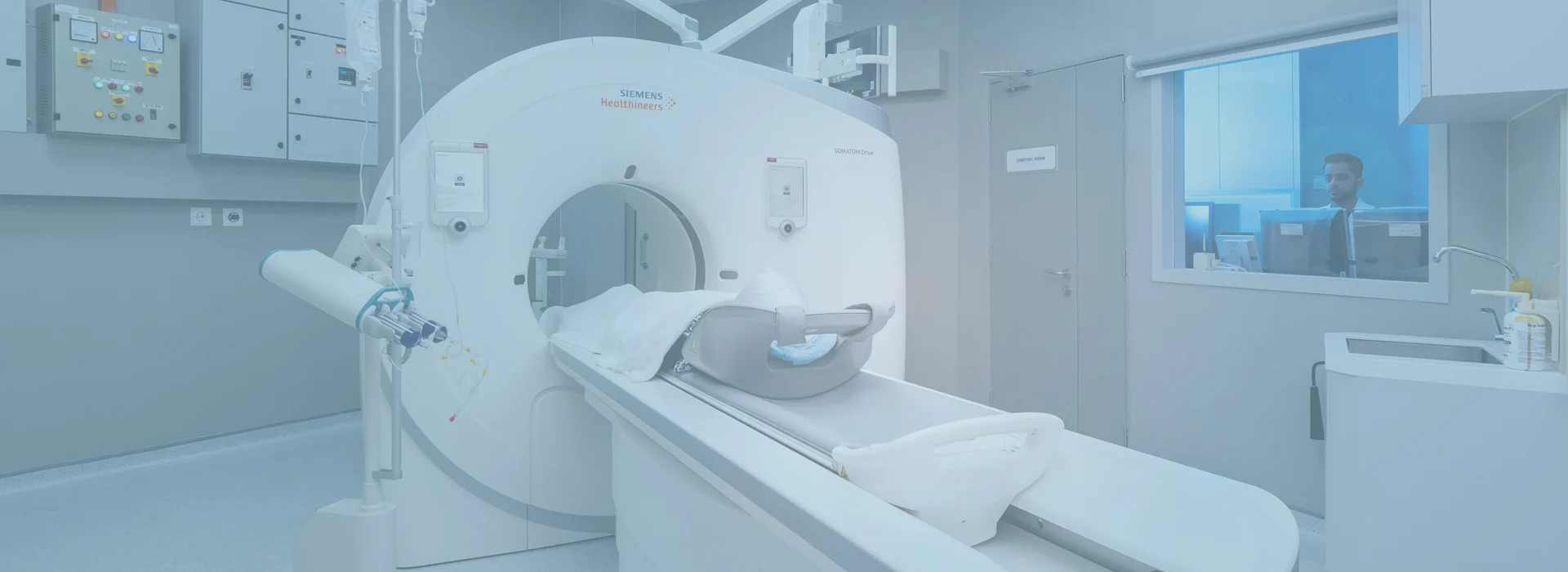
Step-By-Step: How to Locate Medical Facilities
If you find yourself in need of urgent care, do not rely solely on traditional search engines. Follow these steps to ensure you find the right facility:
- Leverage Local Government Portals: Most island nations maintain an official health ministry website. In 2026, these sites are frequently updated with real-time facility status, including whether the facility is fully operational or operating under emergency protocols.
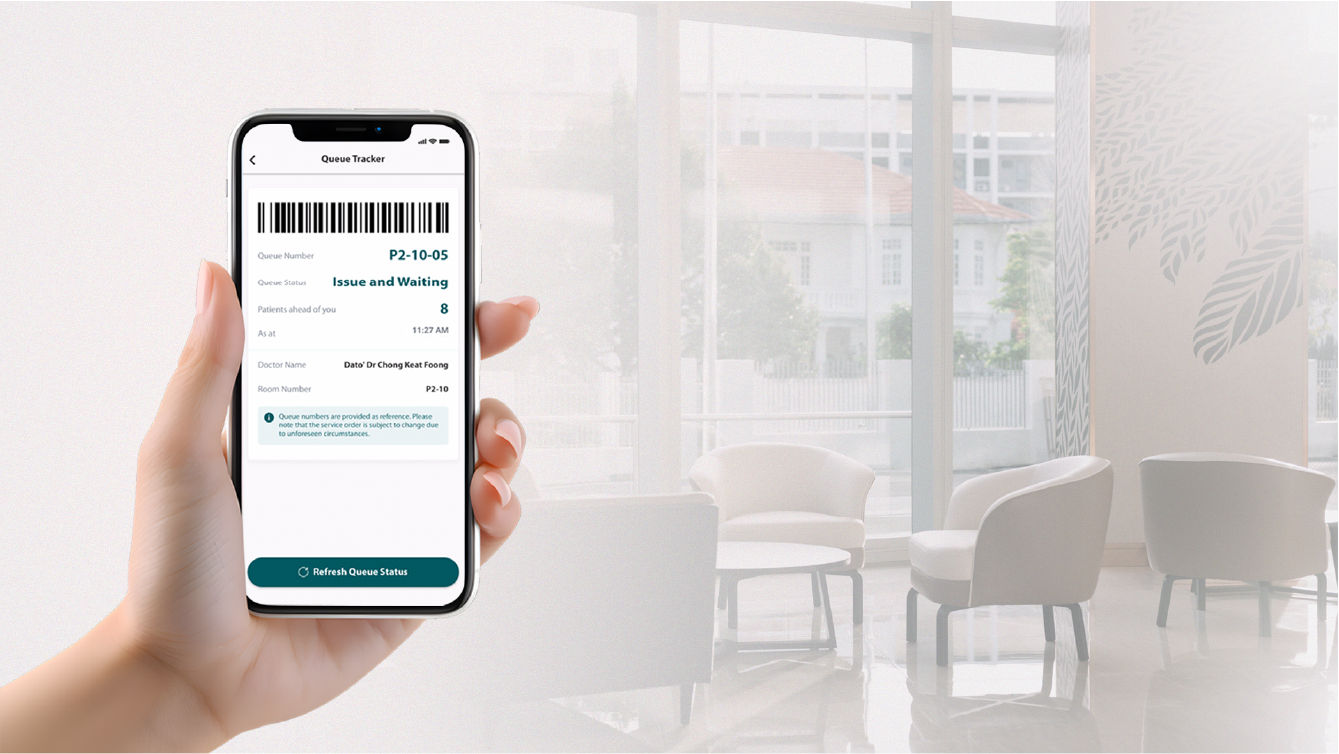
- Use Specialized Telemedicine Apps: If you are in a region like Palau, where the only major hospital might be in a commercial hub like Koror, telemedicine is your primary lifeline. Download apps that connect you to remote specialists who can triage your condition before you attempt a difficult journey.
- Consult Maritime Radio Networks: If you are on a boat, the VHF radio is often faster than cellular data. Contacting the local coast guard or harbor master is the most effective way to identify the nearest emergency medical center.
Navigating the “Main Hub” Reality
It is a sobering fact: in many remote archipelagos, the only hospital is located in the main commercial center. For those living or traveling on smaller, outer islands, this creates a significant distance gap.
- Understand the Triage System: Remote clinics are often staffed by nurses or community health workers, not surgeons. They are designed to stabilize, not treat complex trauma.
- Plan for Medical Evacuation: Always carry travel insurance that covers medevac. In 2026, private air ambulance services have become more efficient, but they require pre-approval and clear communication from the local medical provider.
- The Power of Local Knowledge: Never underestimate the local residents. They know which clinics have the best equipment and which providers are currently on the island.
<img alt="You’ll Never Believe Why I’m In A Remote Island Hospital" src="https://www.gonewiththewynns.com/content/images/wp-content/uploads/2018/11/rx10020180619-RX15244_hospital.jpg” style=”max-width:100%; height:auto; border-radius:8px; margin: 1rem 0;” />
Why Telemedicine is the Game Changer in 2026
The adoption of innovative healthcare solutions has drastically reduced the need for unnecessary travel. If you have a stable internet connection—even via satellite—you can now access consultations that were previously impossible.
If you are planning an extended stay on a remote island, invest in a reliable satellite link. This ensures that you can reach a doctor for a virtual consultation, which can prevent a dangerous, multi-day boat trip to the main hospital if the issue can be managed locally.
Essential Checklist for Remote Travelers
To stay safe, prepare before you arrive. Use this checklist:
- Digital Health Passport: Keep a scanned copy of your medical records on a secure, encrypted cloud service.
- Offline Maps: Download map data (like Google Maps or Maps.me) that includes hospital markers.
- Local Emergency Numbers: Save the specific emergency contact numbers for the island’s health authority, not just the general “911” equivalent.
- First Aid Training: A basic understanding of trauma care can be the difference between life and death when you are hours away from the nearest professional.
Conclusion: Preparation is the Best Medicine
Finding a hospital on a remote island in 2026 is significantly easier than it was a decade ago, thanks to the global digitization of health services. However, the geographic reality remains: remote locations often lack the specialized staff found in major cities.
By utilizing telemedicine, maintaining digital health records, and understanding the local logistics of your destination, you can turn a potentially frightening situation into a manageable one. Stay informed, stay connected, and always prioritize your safety when venturing into the world’s most beautiful, isolated spaces.