
The dream is iconic: a laptop perched on a teak desk, the turquoise waters of a hidden cove lapping just meters away, and a cold coconut within arm’s reach. For the modern digital nomad, Indonesia is the ultimate playground. However, as of 2026, the reality of staying connected across an archipelago of 17,000 islands is a nuanced game of strategy.
Bridging the digital divide across such vast geography has been Indonesia’s greatest tech challenge. While urban centers like Jakarta and Denpasar enjoy fiber-optic speeds that rival global hubs, the “island hop” often introduces variables that can make or break a video call. This guide breaks down exactly what you need to know to maintain a rock-solid connection while living your island life.
The State of Connectivity: 2026 Trends
The Indonesian internet revolution has officially matured. Following the infrastructure leaps observed throughout 2025, the nation has shifted from sporadic signals to a more robust, multi-layered network ecosystem.
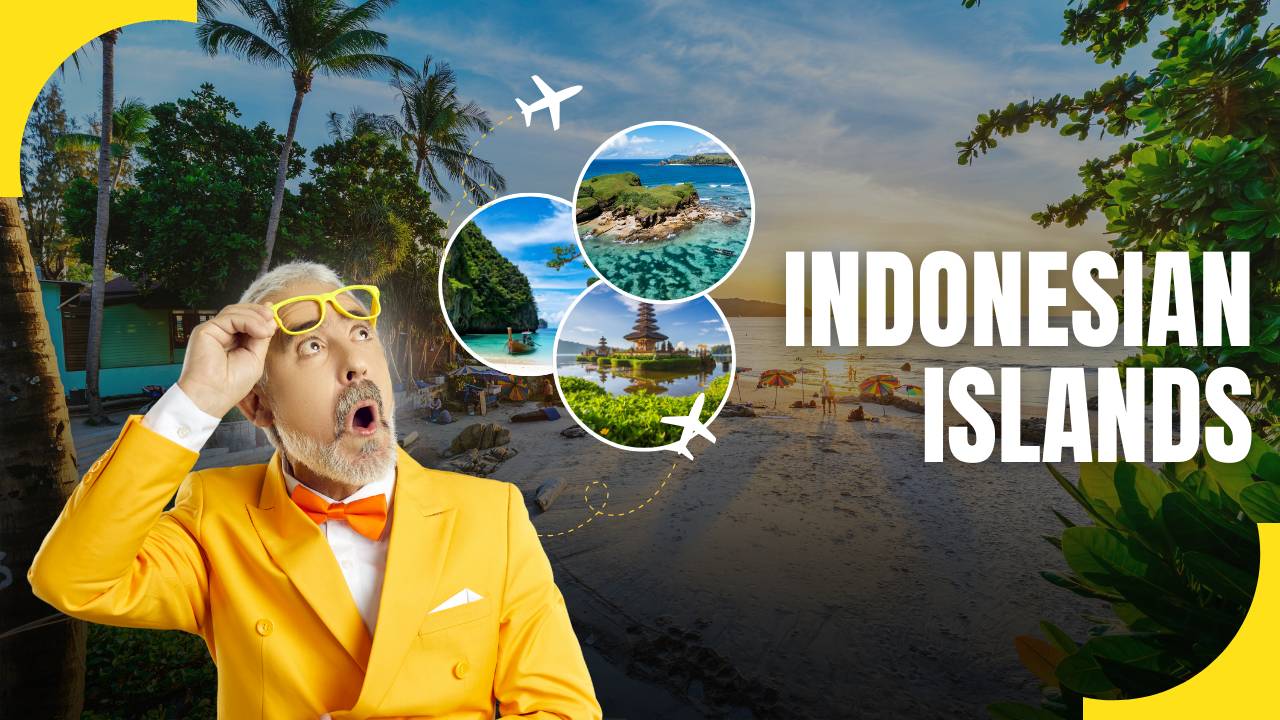
Today, you aren’t just relying on local Wi-Fi. You are navigating a hybrid landscape of Starlink satellite coverage, 4G/5G mobile data, and high-speed fiber-optic backbones. While regional disparities remain, the “dead zones” that plagued remote islands in the early 2020s are rapidly shrinking.
Top-Tier Connectivity: Where Speed Meets Serenity
If your work requires consistent, high-bandwidth connections, your choice of island matters. In 2026, the hierarchy of internet quality is clear:
- Bali (The Digital Nomad HQ): With pervasive fiber-optic infrastructure, Bali remains the gold standard. Most co-working spaces now offer dedicated lines with 100+ Mbps symmetry, ensuring seamless cloud syncing and 4K streaming.
- Lombok & The Gili Islands: Significant infrastructure investment over the last 18 months has transformed these islands. You can now find stable 4G+ and fiber-to-the-home (FTTH) in major tourist hubs like Kuta Lombok.
- Java (The Backbone): As the primary economic engine, Java offers the most consistent internet quality. If you move away from the big cities, look for “WIFI.ID” hotspots, which are reliable public high-speed access points.
The “Island-Hopping” Survival Kit
When you venture off the beaten path—to islands like Sumba, Flores, or the Raja Ampat archipelago—the rules change. You cannot rely on hotel Wi-Fi alone.
To ensure your internet quality on Indonesian islands remains high, follow these professional tips:
- The Dual-SIM Strategy: Always carry two SIM cards from different providers. Telkomsel remains the undisputed king of coverage in remote areas, while XL Axiata or Indosat often provide better pricing and speeds in urban hotspots.
- Invest in a Portable Modem: Don’t rely on phone tethering. A high-quality 4G/5G portable router allows you to position your device near a window or mount an external antenna to capture a stronger signal.
- Starlink as the Game Changer: In 2026, Starlink is a viable option for long-term stays in remote villas. If you are renting a place for more than a month, negotiate with the owner to split the cost of a Starlink installation. It is the only way to guarantee latency-free connectivity in deep-jungle or remote-beach locations.
Navigating the Technical Challenges
Even with the best gear, Indonesia’s geography presents unique obstacles. Tropical storms can occasionally cause signal interference, and power stability in remote areas can be inconsistent.

Expert Tip: Always pack a high-capacity power bank and a mini UPS (Uninterruptible Power Supply) for your router. A power flicker shouldn’t drop your Zoom call. When checking into a villa or hotel, ask for a “speed test” before paying your deposit. If it’s under 10 Mbps, you might want to look elsewhere.
The Financial Aspect: What to Expect
You don’t need to break the bank to stay online. Indonesia’s internet pricing is highly competitive compared to Western standards.
- Mobile Data Packages: You can secure massive data quotas for under $15–$20 USD per month.
- Fiber Optic: Monthly residential plans are incredibly affordable, often costing less than $30 USD for speeds that would cost triple that in Europe or the US.
Conclusion: Connectivity is No Longer a Barrier
In 2026, the question is no longer “Can I get internet in Indonesia?” but rather “How do I choose the best connection for my workflow?” By blending local mobile data expertise with modern satellite solutions, you can work from the most beautiful corners of the Earth without sacrificing your productivity.
The digital revolution has successfully bridged the 17,000 islands. Whether you are a freelance developer, a content creator, or a remote entrepreneur, the archipelago is ready for you. Just remember: always double-check your signal before you fall in love with that remote beachfront bungalow!