
You’re mid-island hop, the turquoise water is calling, and you reach into your dry bag for your passport to board the next ferry. Your heart sinks. It’s gone. Panic is a natural reaction, but in 2026, the digital tools at your disposal make this a manageable hurdle rather than a trip-ending catastrophe.
Whether you are navigating the Greek Isles, the Philippines, or the Caribbean, losing your primary form of identification is a serious situation. However, by staying calm and following a systematic recovery plan, you can get back to your itinerary faster than you think.
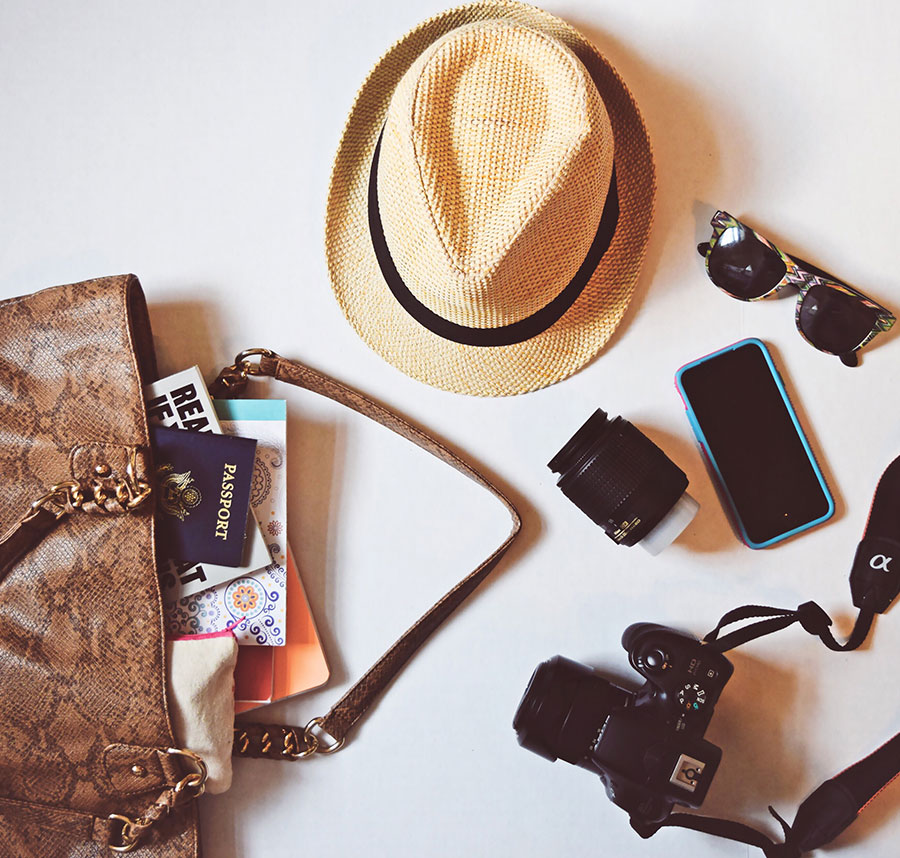
Step 1: Retrace Your Steps and Secure Your Belongings
Before assuming the worst, take a deep breath. Island hopping involves rapid transitions between speedboats, hotel lobbies, and crowded ports.
- Check the last three locations: Did you leave it at the check-in desk, in a taxi, or inside the ferry terminal?
- Contact local authorities: If you suspect theft, visit the nearest police station immediately. You will need a police report to prove the document was stolen, which is often required for insurance claims or fast-tracking your replacement.
- Check your digital backups: Do you have a photo of your passport stored in your secure cloud drive? Having a high-quality copy on your phone can shave hours off your embassy appointment.
Step 2: Report It Immediately
According to the U.S. Department of State, you must report a lost or stolen passport as soon as you realize it is missing. This is a critical security measure.
Important: Once you report a passport as lost or stolen, it is permanently invalidated. If you miraculously find it under your hotel bed two hours later, do not attempt to use it. Attempting to travel with a reported passport can lead to significant delays, detention, or being denied entry at international borders.

Step 3: Contact the Nearest U.S. Embassy or Consulate
When you are island hopping, you aren’t always near a major capital city. Use the official U.S. Embassy website to locate the closest consular office.
- Emergency Appointments: Explain your situation clearly. If you have an upcoming flight or ferry that requires international travel, you may qualify for an Emergency Passport.
- Required Documentation: You will likely need to fill out Form DS-11 (Application for a U.S. Passport) and Form DS-64 (Statement Regarding a Lost or Stolen Passport).
- Passport Photos: Most embassies have local vendors nearby who know the exact dimensions required for U.S. travel documents. Don’t stress if you don’t have a photo ready; the embassy staff will guide you to the nearest professional.
Step 4: Navigating Logistics During Your Island Hop
If you are stranded on a smaller island without an embassy, you will need to coordinate with local travel operators.
- Communication is Key: Inform your ferries, airlines, and hotels. Many operators have protocols for travelers in distress and may allow you to reschedule your bookings without penalty if you can provide a copy of your police report.
- Financial Safety: If your passport was stolen along with your wallet, contact your bank immediately to freeze your accounts. Use digital payment methods like Apple Pay or Google Pay if your phone is secure, as many island vendors now accept contactless payments.

Step 5: Prevent Future Passport Mishaps
Once you have your emergency travel document, your perspective on security will likely change. To ensure your 2026 travels remain stress-free:
- Use a Waterproof Travel Wallet: When island hopping, keep your passport in a high-quality, waterproof dry bag that stays on your person at all times.
- Digital Vault: Always keep a scanned copy of your passport, birth certificate, and travel insurance policy in a password-protected digital cloud.
- The “Dummy” Passport Trick: Carry a physical photocopy of your passport in a separate bag from your actual document. It won’t get you through customs, but it makes the replacement process at the embassy significantly faster.
Final Thoughts: Don’t Let It Ruin the Trip
Losing your passport is undoubtedly a headache, but it is not the end of your vacation. By following the standard protocols of reporting the loss, securing a police report, and visiting the nearest embassy, you are taking the necessary steps to resolve the crisis.
The most important thing is to maintain your composure. The consular staff are there to help, and in the modern age of 2026, the systems for replacing lost documents are more efficient than ever. Keep your wits about you, stay in contact with your embassy, and you’ll be back to exploring those hidden coves before you know it.