Island hopping represents one of the most dynamic and rewarding forms of travel available in the modern era. It is a journey defined not by a single destination, but by the rhythm of movement between them. Waking up on a new shore, catching a morning ferry, and watching the sea shift from turquoise to deep blue creates an immediate sense of adventure. This style of travel allows visitors to experience diverse landscapes, cultures, and coastlines within a single itinerary. By moving from island to island, travelers gain a depth of understanding that static vacations cannot provide. In 2026, the landscape of island hopping has evolved, offering greater connectivity and more sustainable options than ever before.
The appeal lies in the variety. One island may offer vibrant towns and historic sites, while another provides quiet beaches or coral-ringed lagoons. This diversity ensures that every trip feels unique, regardless of the region chosen. Whether the goal is luxury relaxation or rugged exploration, the right archipelago can deliver. However, successful island hopping requires careful planning to ensure transitions feel effortless rather than disruptive. Logistics such as ferry schedules, weather patterns, and accommodation availability play a critical role in the overall experience. Travelers who prioritize these factors will find their journeys significantly more enjoyable and memorable.
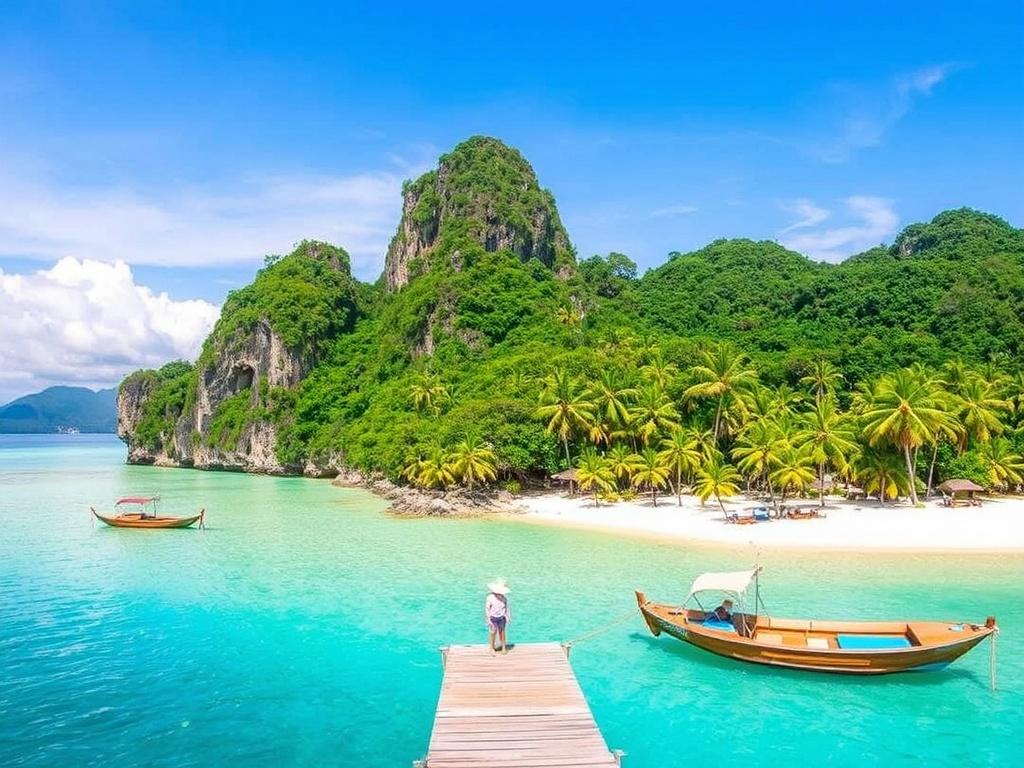
Defining the Ideal Archipelago for Modern Travelers
Not every group of islands is suitable for island hopping, a lesson learned by many through trial and error. A truly exceptional destination must meet specific criteria beyond just scenic beauty. The primary factor is reliable and frequent transportation. Without daily or near-daily ferries or quick local flights, exploring multiple islands becomes a logistical nightmare. In prime destinations like Greece, ferries between the Cyclades run several times a day, allowing travelers to move from Paros to Naxos in under an hour. Conversely, regions where islands are too far apart or require expensive flights often fail to deliver the seamless experience expected.
Another crucial element is the balance of cost and accessibility. Some locations look perfect on social media but prove prohibitively expensive once transfer fees and accommodation costs are factored in. An ideal destination offers a range of budget-friendly options alongside luxury choices, ensuring flexibility for different types of travelers. Furthermore, the infrastructure supporting tourism must be robust. This includes clear signage, reliable Wi-Fi at transit points, and accessible medical facilities. These practical aspects allow travelers to focus on the experience rather than navigating bureaucratic hurdles.
Weather patterns also dictate the success of an island-hopping trip. Seasonal reductions in ferry services due to monsoons or storms can derail even the best-laid plans. Therefore, selecting a destination with a predictable climate during the intended travel window is essential. In 2026, travelers have access to real-time data regarding ferry schedules and weather conditions, making it easier to build conservative buffers into itineraries. Understanding these nuances separates destinations that merely exist from those that truly thrive as hubs for exploration.
Europe's Timeless Coastal Masterpieces
Europe remains a dominant force in the world of island hopping, offering a unique blend of ancient history and stunning natural beauty. The Mediterranean basin, in particular, hosts some of the most iconic archipelagos on the planet. Greece stands out as the undisputed leader, boasting over 200 inhabited islands that cater to every taste. The Cyclades remain the most popular choice, featuring postcard-perfect spots like Santorini and Mykonos. These islands are renowned for their white-washed houses, dramatic sunsets, and crystal-clear waters. However, the sheer popularity of these hotspots means they can become crowded during peak seasons, necessitating early booking and strategic routing.
For those seeking a slightly less chaotic experience, the Ionian Islands offer a compelling alternative. Famous for their lush olive groves and stunning beaches, places like Corfu and Zakynthos provide a greener, more verdant landscape compared to the arid Cyclades. The Saronic Gulf presents another excellent option, featuring Hydra, a car-free island with a rich literary history, and Poros, known for its charming port. Crete, the largest Greek island, adds historical depth with its Minoan ruins, traditional villages, and ancient caves, making it a perfect anchor for a longer stay.
Moving north to the Adriatic, Croatia has emerged as a top contender for 2026. With search interest for Zante surging year-on-year, the Greek islands continue to dominate, but Croatia offers a distinct flavor of Dalmatian culture. The country's coastline is dotted with hundreds of islands, ranging from the bustling city of Split to the secluded gems of Hvar and Brač. The infrastructure here is highly developed, with efficient catamaran services connecting major ports. This makes it easy to explore multiple islands without spending excessive time in transit.
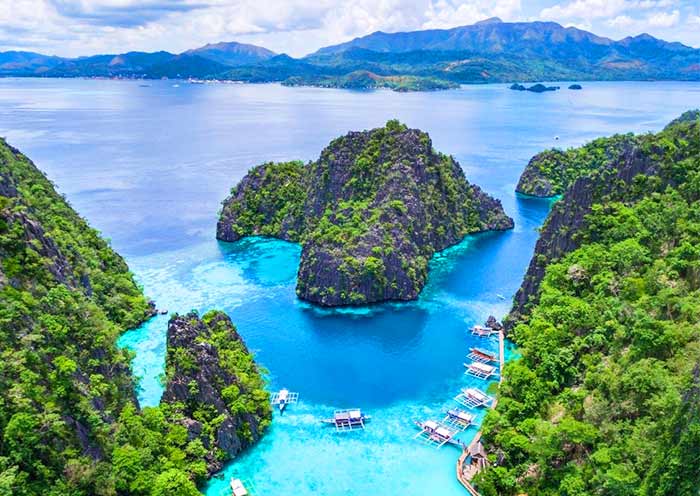
In addition to Greece and Croatia, Italy offers its own set of island adventures. The Aeolian Islands near Sicily provide volcanic landscapes and thermal springs, while the Tremiti Islands off the Gargano peninsula offer pristine marine reserves. Portugal's Azores archipelago has gained significant traction for its dramatic geological features and whale-watching opportunities. Each European destination brings its own rhythm to the journey, from the lively nightlife of Mykonos to the serene silence of a remote Croatian cove.
Southeast Asia's Tropical Paradises
Southeast Asia continues to be the epicenter of tropical island hopping, combining affordability with incredible biodiversity. Thailand remains a perennial favorite, offering a diverse range of experiences from the iconic Phi Phi Islands to the laid-back vibes of Koh Lanta. The Andaman Sea route, connecting Phuket, Phi Phi, and Krabi, is particularly well-suited for short-hop itineraries. Local longtail boats and speedboats connect these islands quickly and cheaply, allowing travelers to maximize their time on the water. The Emerald Bays of Thailand provide a backdrop of limestone cliffs and turquoise waters that define the region's aesthetic.
Indonesia has solidified its position as a top destination for adventurous island hoppers. The route from Bali to Lombok, then to the Gili Islands, Flores, and finally Komodo, offers wildly different environments. Travelers can surf world-class breaks in Bali, witness Komodo dragons in their natural habitat, and relax on the pink sands of Gili Trawangan. The diversity here is unmatched; one day might involve diving with manta rays, while the next is spent hiking volcanic landscapes. Connectivity has improved significantly, with regular fast boat services and domestic flights linking these remote corners of the archipelago.
The Philippines deserves special mention for its sheer number of pristine islands. Palawan's hidden lagoons, Boracay's powdery white sands, and Cebu's marine wonders create a trifecta of tropical perfection. The Visayas region offers numerous small islands connected by frequent ferries, making it ideal for those who want to explore extensively without long layovers. The local culture in the Philippines is warm and welcoming, enhancing the overall travel experience. Snorkeling and diving are world-class activities, with vibrant coral reefs teeming with marine life just offshore.
Malaysia's Perhentian Islands and Tioman offer a more relaxed pace, focusing on eco-tourism and conservation. These islands are part of a larger network that includes Langkawi and Penang, providing a mix of nature and urban exploration. Vietnam's Con Dao Islands are emerging as a hidden gem, offering a blend of historical significance and untouched beaches. The region's proximity to major Asian cities makes it an attractive option for travelers seeking a short international getaway.
The Caribbean's Sailing and Sun Haven
The Caribbean archipelago offers a unique combination of sailing culture, luxury resorts, and vibrant local communities. Unlike other regions where travel might rely heavily on flights, the Caribbean boasts a robust network of ferries and sailboat charters, making it ideal for those who prefer the sea over the sky. The British Virgin Islands (BVI) are renowned for their sailing culture, allowing travelers to hop between islands on a yacht. This method of travel provides unparalleled freedom and access to secluded coves that larger vessels cannot reach.
St. Kitts and Nevis combine volcanic landscapes with tranquil beaches, making them a favorite for both relaxation and adventure. These two islands are close enough to visit in a single day but distinct enough to offer varied experiences. Jamaica offers lush national parks and vibrant beach life, while Puerto Rico provides a mix of colonial history and modern amenities. The Leeward Islands chain, including Antigua and Barbuda, is celebrated for its consistent trade winds and beautiful white sand beaches.
Luxury seekers will find the Caribbean equally appealing, with exclusive resorts and private beach escapes dotting the coastline. However, even within these high-end destinations, there are hidden gems that offer authentic encounters with local culture. The food scene in the Caribbean is a highlight, featuring fresh seafood, spicy jerk chicken, and tropical fruits. Festivals throughout the year add to the vibrancy, creating a festive atmosphere that permeates every island.
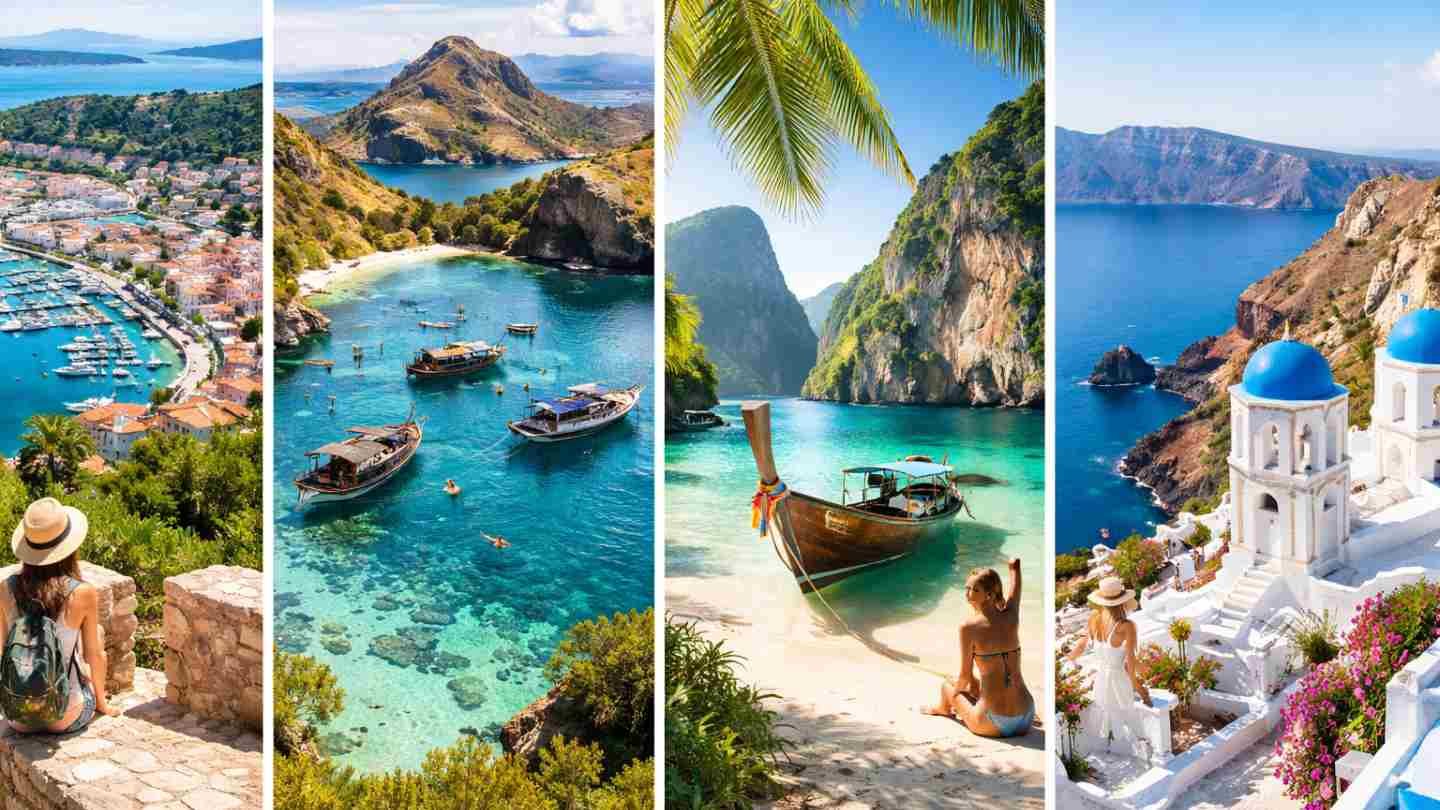
When planning a Caribbean trip, timing is crucial. The dry season from December to April offers the best weather, though the shoulder seasons can provide better rates and fewer crowds. Travelers should consider the hurricane season carefully, typically running from June to November, when storms can disrupt ferry schedules and flight operations. Despite these challenges, the Caribbean remains a top choice for those seeking a sunny escape with a rich cultural tapestry.
Emerging Hotspots and Sustainable Adventures
As travel trends shift towards sustainability and authenticity, new island destinations are gaining global attention. These emerging hotspots often offer better connectivity and a stronger focus on eco-tourism. Zanzibar in Tanzania has seen a resurgence, blending Swahili culture with beautiful beaches and spice tours. The island's commitment to preserving its heritage while developing responsibly makes it an attractive option for conscious travelers. Similarly, Fiji in the Pacific continues to lead in sustainable tourism practices, offering guests the chance to engage with indigenous Fijian culture and protect marine ecosystems.
The Azores in Portugal have become a hotspot for nature lovers, offering whale-watching, hiking through volcanic landscapes, and geothermal pools. Their commitment to renewable energy and low-impact tourism sets a precedent for future island development. Sri Lanka combines cultural sites with natural beauty, from ancient temples to lush tea plantations and pristine beaches. The island's compact size makes it easy to explore various regions within a short timeframe.
Mexico's Riviera Maya and the Yucatán Peninsula offer a mix of Mayan history and Caribbean allure. The region is investing heavily in eco-resorts and protected marine areas, ensuring that development does not come at the expense of the environment. Costa Rica's offshore islands, such as Cahuita and Tortuguero, provide opportunities for wildlife observation and conservation efforts. These destinations represent the future of island hopping, where growth is balanced with preservation.
Travelers interested in these emerging markets should look for certifications indicating eco-friendly practices. Many of these islands are implementing strict regulations on waste management and resource usage to protect their fragile ecosystems. Supporting these initiatives ensures that the beauty of these destinations is preserved for future generations. The rise of digital nomadism has also influenced these areas, with improved internet infrastructure attracting remote workers who contribute to the local economy.
Strategic Planning for Seamless Transitions
Effective island hopping begins long before destinations are locked in. It starts with understanding how islands connect, how much transition time is realistic, and how to structure days so the experience remains fluid. Defining travel priorities is the first step. Travelers must decide whether they desire a slow, immersive pace or an efficient, varied itinerary. Establishing what the trip needs to deliver overall narrows options quickly and prevents inefficient routing. Key priorities include the desired balance between rest-focused islands and activity-driven ones.
Evaluating inter-island transportation realistically is perhaps the most critical aspect. Ferry routes, flight schedules, and seasonal reliability vary widely by region. Planning must account for both availability and predictability. Critical transportation factors include the frequency of ferries or regional flights, seasonal schedule reductions, and transfer distances between ports and accommodations. Building conservative buffers into transit days protects the overall itinerary from unexpected delays. Weather exposure and energy management are also variables that compound quickly when multiple islands are involved.
Creating a flexible itinerary allows travelers to adapt to changing circumstances without derailing the entire plan. While having a general route is helpful, rigid schedules can lead to stress if a ferry is delayed or a hotel is overbooked. Prioritizing anchor experiences, such as diving, hiking, or cultural exploration, ensures that the trip has substance regardless of minor logistical hiccups. Professional island-hopping experiences can help structure itineraries that prioritize cohesion over volume, allowing movement to feel intentional rather than disruptive.
Packing light is another strategic consideration. Carrying only essentials reduces the burden of moving between ferries and airports. Versatile clothing and minimal gear facilitate smoother transitions. Researching local customs and languages beforehand can also enhance the experience, fostering better interactions with locals. Understanding these nuances helps create a guide best suited to individual interests, ensuring a memorable vacation.
Furthermore, the integration of technology into island logistics has revolutionized how travelers navigate these archipelagos. In 2026, mobile applications provide real-time updates on ferry capacities, weather alerts, and even tide schedules, which are critical for accessing certain beaches or snorkeling spots. These digital tools allow for dynamic rebooking if a connection is missed, reducing the anxiety often associated with multi-island itineraries. Travelers can now monitor local transit authority feeds directly from their smartphones, ensuring they never miss a departure window due to outdated information. This technological empowerment transforms what was once a chaotic logistical challenge into a streamlined, almost choreographed dance across the water.
Mastering the Art of the Multi-Island Itinerary
The true artistry of island hopping lies not just in visiting multiple locations, but in curating a narrative that flows logically from one destination to the next. A well-crafted itinerary respects the geography of the region while maximizing the diversity of experiences. For instance, in the Greek Cyclades, a logical progression might start in Athens, move to the mainland port of Piraeus, then hop to Santorini for its dramatic sunsets, proceed to Mykonos for nightlife, and finally settle in Naxos for a more relaxed, family-friendly finish. This route minimizes backtracking and clusters islands by geographic proximity, saving both time and money on transportation fees.
Similarly, in Southeast Asia, the rhythm of the journey should align with seasonal wind patterns and monsoon cycles. The Southwest Monsoon typically affects the Andaman Sea from May to October, making islands like Phuket and Krabi less ideal during those months, whereas the Gulf of Thailand remains accessible. Conversely, the Northeast Monsoon brings rain to the east coast of Thailand, shifting the focus to the western islands. Understanding these meteorological shifts is essential for maintaining a high quality of travel experience. Ignoring these natural rhythms can result in days spent waiting out storms at ports rather than enjoying the sea.
Cultural immersion should also be woven into the fabric of the itinerary. Rather than treating each island as a mere photo opportunity, travelers should allocate time for local markets, traditional festivals, and community interactions. In the Philippines, spending an afternoon learning about weaving techniques in a remote village adds depth to the trip that cannot be found in resort complexes. In Croatia, visiting a local olive oil producer on Brač offers insights into centuries-old agricultural practices. These moments of connection transform a vacation into a meaningful exchange, leaving lasting memories that extend far beyond the beach.
Budget management is another critical component of successful planning. Island hopping can quickly become expensive if transportation costs are underestimated. While ferries are generally affordable, private speedboat charters or inter-island flights can add up rapidly, especially for groups or families. Travelers should calculate the "hidden costs" of transfers, including parking fees at ports, baggage surcharges, and potential meal expenses while waiting for connections. Setting a daily budget that includes these variable costs ensures financial stress does not detract from the enjoyment of the journey. Many destinations offer package deals combining accommodation and transport, which can provide significant savings compared to booking components separately.
Essential Gear and Packing Strategies for Maritime Travel
Packing for an island-hopping adventure requires a different mindset than packing for a standard hotel stay. The primary rule is versatility; every item must serve multiple purposes and withstand varying climates and activities. Lightweight, quick-dry clothing is essential, as humidity and sudden rain showers are common in tropical regions, while cooler evenings may occur in higher latitude islands like the Azores or northern Greece. A compact, waterproof duffel bag or backpack is preferable to a rigid suitcase, as it can be easily stowed under a seat on a ferry or carried onto a small boat without hassle.
Footwear deserves special attention. Sandals with good grip are indispensable for wet decks and slippery stone paths, while sturdy hiking shoes are necessary for islands with rugged terrain, such as the volcanic landscapes of Santorini or the trails of Flores. Avoid heavy boots unless specifically needed for trekking, as they will only become cumbersome when moving between boats and airports. Swimwear should be ample, with at least two sets rotating while the other dries, given the frequent swimming opportunities. A wide-brimmed hat and high-quality sunglasses are non-negotiable for protecting against intense equatorial sun, while a lightweight rain jacket provides protection during unexpected tropical showers.
Technical gear varies depending on the traveler's interests. Divers and snorkelers should ensure their equipment fits properly and consider renting locally to avoid the hassle of transporting specialized gear through customs. Photographers will appreciate a versatile camera lens kit that handles both wide-angle landscape shots and macro details of marine life. However, the most important piece of gear is patience. Island hopping involves waiting—waiting for tides, waiting for ferries, waiting for clouds to clear for a perfect sunset. Embracing this slowness allows travelers to observe the subtle changes in light and atmosphere that define the maritime experience.
Health and safety preparations are equally vital. A comprehensive first-aid kit should include remedies for seasickness, insect bites, sunburn, and minor cuts. Since medical facilities can be limited on smaller islands, carrying prescription medications in their original containers with a copy of the prescription is crucial. Travel insurance that specifically covers water sports and emergency evacuation is highly recommended, as helicopter rescues or medevac flights from remote islands can be costly. Staying hydrated and using reef-safe sunscreen protects not only the traveler but also the fragile coral ecosystems that make these destinations so unique.
The Future of Island Tourism: Balancing Growth and Preservation
As we look toward 2027 and beyond, the future of island hopping hinges on the delicate balance between tourism growth and environmental preservation. Over-tourism has become a pressing issue in popular destinations, leading to degraded ecosystems, strained local resources, and a loss of authentic cultural character. In response, forward-thinking destinations are implementing strict carrying capacity limits, raising entrance fees to fund conservation projects, and promoting off-season travel to distribute visitor numbers more evenly. The rise of "regenerative tourism" means that travelers are increasingly expected to contribute positively to the communities they visit, whether through supporting local businesses, participating in cleanup drives, or choosing eco-certified accommodations.
Technology will continue to play a pivotal role in managing this balance. Smart city initiatives on islands are using data analytics to monitor crowd density, optimize waste management systems, and regulate energy consumption. Blockchain technology is being explored to create transparent supply chains for local products, ensuring that tourists' money goes directly to artisans and farmers rather than large international corporations. These innovations aim to preserve the integrity of island life while allowing visitors to enjoy modern comforts.
Educational programs are also becoming a staple of the island-hopping experience. Many tour operators now include briefings on local ecology, history, and cultural norms before setting sail. This approach fosters a sense of stewardship among travelers, encouraging them to act as ambassadors for the destinations they visit. By understanding the fragility of island environments, visitors make more conscious choices regarding their behavior, from avoiding single-use plastics to respecting wildlife boundaries. The future of island hopping belongs to those who recognize that these floating oases are not just playgrounds, but living, breathing ecosystems that require care and respect.
Final Thoughts on Your Next Voyage
Island hopping remains one of the most transformative ways to experience the world. It offers a rare combination of relaxation and adventure, history and nature, all bound together by the endless blue horizon. Whether you are chasing sunsets in the Aegean, diving in the Coral Triangle, or sailing the calm waters of the Caribbean, the act of moving between islands creates a rhythm that resonates deeply with the human spirit. The key to success lies in preparation, flexibility, and a willingness to embrace the unknown. By planning strategically and traveling with respect for the environment and local cultures, you can craft a journey that is not only visually stunning but also profoundly enriching.
As you stand on the deck of your ferry, watching the coastline recede into the distance, remember that the destination is not just the place you arrive at, but the journey itself. The serendipitous encounters, the unexpected storms, the quiet moments of reflection on the deck—all of these elements combine to create a story that will stay with you long after you return home. In 2026 and beyond, the world's islands await, ready to welcome explorers who seek more than just a vacation, but a connection to the planet's most beautiful and diverse corners. Pack your bags, check the tide charts, and set your course. The open sea is calling, and the adventure of a lifetime is just a ferry ride away.
Frequently Asked Questions (FAQ)
Q: What is the best time of year for island hopping in Europe?
A: The optimal window for European island hopping is typically late May to early June or September to mid-October. During these shoulder seasons, the weather is still warm and pleasant, but the peak summer crowds have dissipated, and ferry prices are lower. July and August, while offering guaranteed sunny weather, often suffer from extreme heat, overcrowded ferries, and inflated accommodation costs, particularly in popular spots like Santorini and Mykonos.
Q: How much notice do I need to book ferries for island hopping?
A: While last-minute bookings are sometimes possible, securing reservations 2 to 4 weeks in advance is highly recommended for prime destinations during peak season. Popular routes like Athens to Santorini or Bali to Lombok can sell out days ahead of departure. For emerging destinations or off-season travel, booking a week ahead is usually sufficient, but having a flexible plan with alternative dates is always wise due to potential weather disruptions.
Q: Is island hopping suitable for solo travelers?
A: Absolutely. In fact, many of the world's top island hopping destinations are exceptionally friendly to solo travelers. Hostels, shared tours, and communal dining areas on ferries facilitate meeting fellow adventurers. However, solo travelers should remain vigilant regarding personal safety, especially at night in unfamiliar ports, and should inform someone of their itinerary. Many islands now offer dedicated solo traveler meetups and guided group excursions specifically designed for individuals.
Q: Can I island hop without a car?
A: Yes, in almost all major island hopping destinations, cars are unnecessary and often discouraged. Islands like Hydra in Greece are car-free by law, relying entirely on walking, donkeys, or electric buggies. Public transport in places like Crete or the Philippines connects major towns effectively. Renting a scooter or bicycle is a common and efficient way to explore individual islands, eliminating the need for a personal vehicle throughout the entire trip.
Conclusion: Setting Sail into the Unknown
The decision to embark on an island-hopping journey is a commitment to exploration and discovery. It is a choice to trade the comfort of a static resort for the dynamic energy of movement and change. As we have explored throughout this guide, the world is filled with archipelagos that offer unique flavors, histories, and natural wonders. From the historic depths of the Mediterranean to the vibrant biodiversity of the Pacific, each destination promises an unforgettable experience.
Success in island hopping relies on a harmonious blend of practical logistics and open-mindedness. By understanding transportation networks, respecting seasonal patterns, and prioritizing sustainable practices, travelers can maximize their enjoyment while minimizing their impact. The evolving landscape of 2026 offers unprecedented tools and options, making it easier than ever to weave together a seamless tapestry of islands. Ultimately, the goal is not just to see more places, but to feel more connected to the world. So, take the leap, trust in the process, and let the rhythm of the waves guide you to your next great adventure. The horizon is your map, and the ocean is your path. Safe travels, and may your voyages be filled with wonder.