
In an era defined by digital noise and rapid urbanization, there exists an archipelago where time operates on a different frequency. Beyond the bustling streets of Jakarta and the crowded beaches of Bali, traditional life on small islands in Indonesia remains a living, breathing testament to ancestral wisdom. As we navigate through 2026, these remote havens offer more than just aesthetic beauty; they provide a profound masterclass in sustainable living and communal harmony.

The Soul of the Archipelago: Why Remote Islands Matter
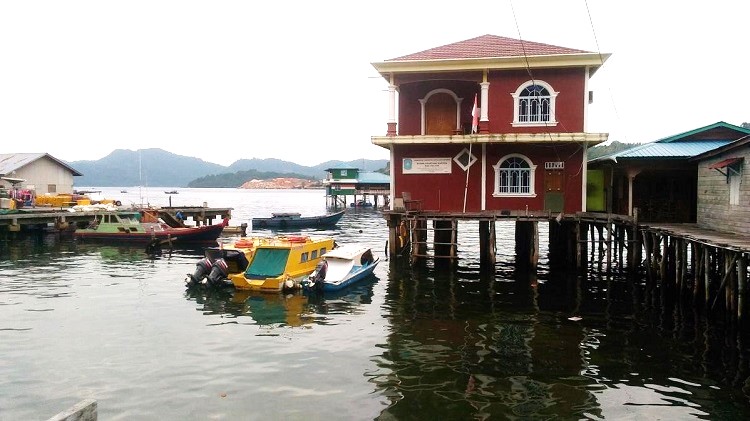
Indonesia is home to over 17,000 islands, but the true heartbeat of the nation is found in its smallest, most isolated clusters. These aren’t just tourist pitstops; they are cultural repositories where the rhythms of the tides dictate the daily schedule. Whether it’s the spice-scented air of the North Maluku islands or the stilted houses of the Riau-Lingga archipelago, life here is inextricably linked to the sea.
Historically, these small islands were not isolated backwaters. Many served as strategic centers of power, such as the Ternate and Tidore sultanates, which once dominated the global spice trade. Today, that legacy of resilience and maritime ingenuity remains etched into the fabric of local traditions, offering a unique glimpse into Indonesia’s storied past.
Living in Harmony with the Tides
For those living on the fringes of the archipelago, the ocean is not a barrier—it is a provider. Traditional fishing techniques, passed down through generations, ensure that local ecosystems remain balanced. You won’t find industrial trawling here; instead, you’ll see hand-woven nets and outrigger canoes dancing across the turquoise water.
Key Pillars of Island Sustainability:
- Zero-Waste Philosophy: Life in remote villages naturally minimizes consumption, as every resource is valued and repurposed.
Communal Governance: Decisions are often made through Musyawarah* (consensus-based deliberation), ensuring every villager has a voice.
- Seasonal Adaptation: Farming and fishing cycles are perfectly synced with the monsoon patterns, keeping the community in constant rhythm with nature.
Cultural Preservation in a Modernizing World
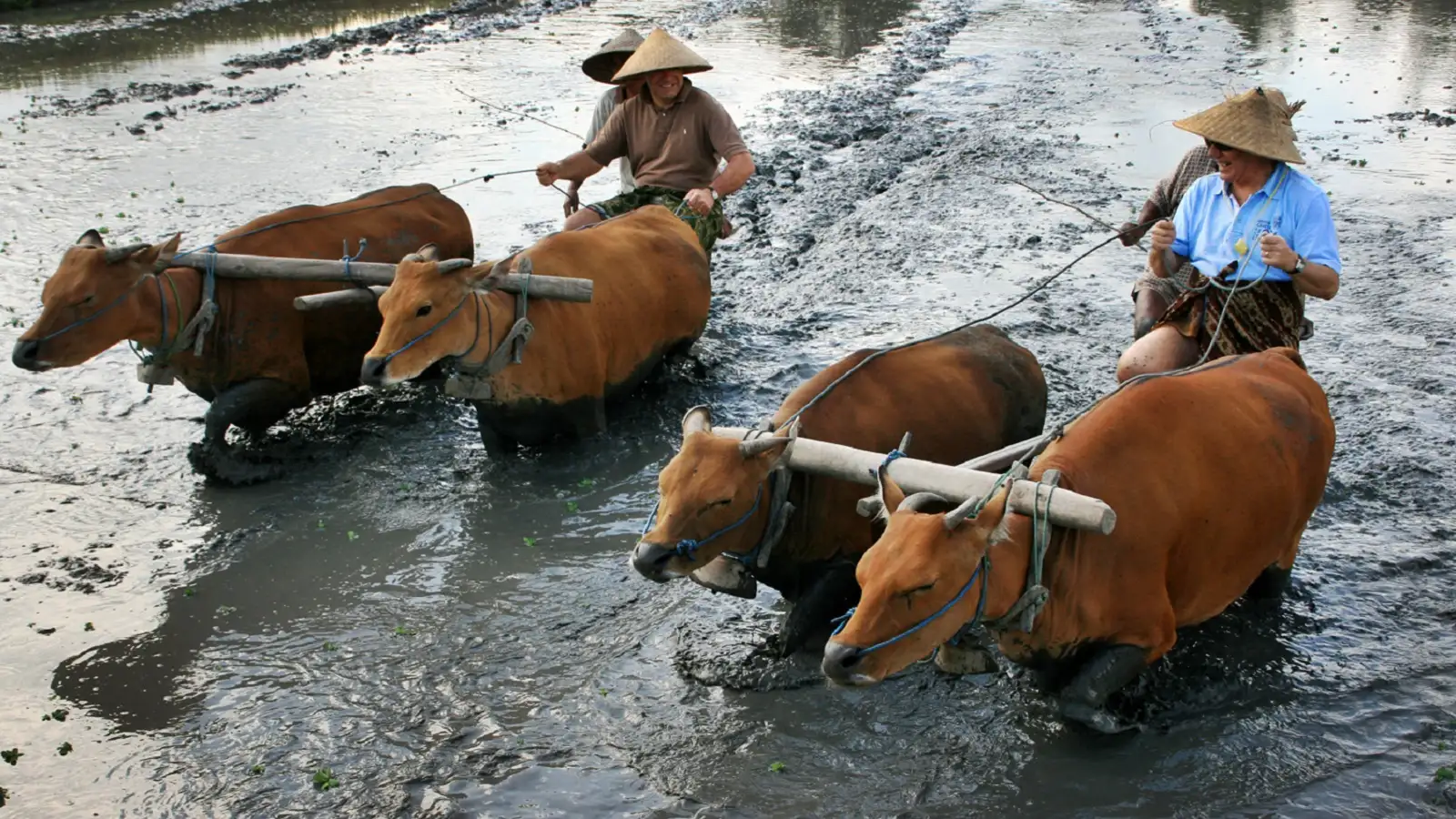
As we move further into 2026, the challenge for these hidden gems is to maintain their authenticity while cautiously welcoming the world. In villages across the Lesser-Known Islands, elders are actively teaching youth the art of traditional weaving, ancient navigation, and local dialects. This isn’t just preservation; it’s an active resistance against the homogenization of culture.
When you step into these villages, the warm hospitality is immediate. You aren’t treated as a tourist, but as a guest of the community. In these spaces, the social fabric is tight-knit; neighbors are family, and the collective well-being is prioritized over individual gain.
11 Hidden Gems: Where Tradition Still Thrives
If you are looking to experience the authentic Indonesian small island life, consider these regions where culture remains deeply rooted:
- Lingga Island: A former center of the Riau-Lingga-Johor Sultanate, rich in Malay-Islamic heritage.
- Ternate & Tidore: Small islands in North Maluku that whisper stories of the Great Spice Wars.
- Wakatobi’s Outer Islands: Home to the Bajau people, known as the “Sea Nomads” who have lived on the water for centuries.
- The Kei Islands: Renowned for their pristine white sands and incredibly preserved communal traditions.
- Alor: Famous for its unique Moko drums and ancient tribal rituals that remain untouched by modern influence.
Why You Should Visit (And How to Do It Respectfully)
Visiting these remote villages in 2026 is a privilege, not a right. To preserve the pristine rural beauty of these islands, travelers must prioritize sustainable tourism. This means hiring local guides, respecting village taboos, and ensuring that your economic contribution stays within the community.
By choosing to visit these smaller, lesser-known islands, you are supporting the survival of unique cultures that have thrived for centuries. You are not just seeing a destination; you are witnessing a way of life that values the human connection above all else.
Conclusion: The Future of Island Life
As the world becomes more interconnected, the value of these isolated communities increases. They serve as a vital reminder that human happiness is not tied to the speed of our internet or the height of our skyscrapers. Traditional life on small islands in Indonesia is a testament to the power of community, the wisdom of the sea, and the enduring strength of heritage. As we look toward the future, these islands remain the soul of Indonesia—quiet, resilient, and profoundly beautiful.