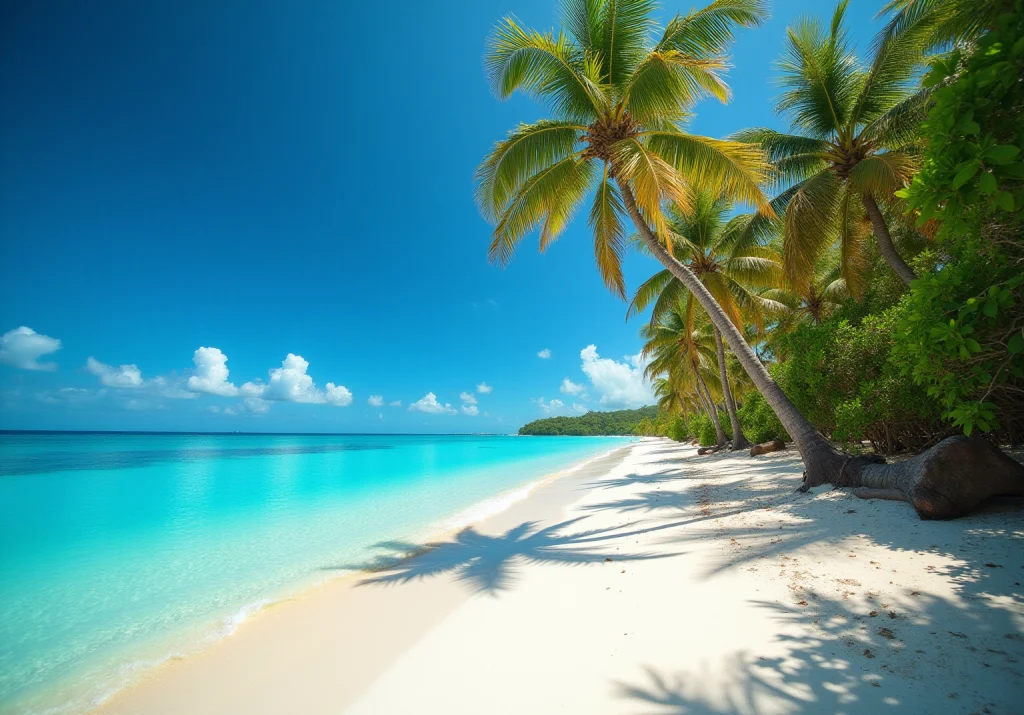
The allure of a white sand beach is a universal fantasy. It conjures images of powder-fine shores that remain cool underfoot, crystalline waters shifting from azure to turquoise, and a profound sense of serene escape. For the discerning traveler in 2026, these beaches represent not just a destination, but an experience—one defined by unparalleled natural beauty, geological wonder, and curated luxury. This guide transcends mere lists to provide a detailed, authoritative analysis of the world's premier island destinations boasting white sand beaches. It examines the unique characteristics, scientific properties, and experiential offerings of each locale, presenting a logical framework for selecting your ideal paradise.
The Science and Allure of White Sands
The distinctive whiteness of these beaches is not accidental but a result of specific geological and biological processes. Understanding this adds depth to the appreciation of their beauty.
The primary composition of white sand is quartz or calcium carbonate. In temperate regions, like parts of Australia and the United States, the sand is often 98% pure silica quartz, a mineral resistant to heat retention, resulting in the famously cool, soft texture. In tropical and subtropical island environments, the whiteness is typically derived from calcium carbonate. This material originates from the skeletal fragments of marine organisms such as coral, mollusks, and foraminifera. Over millennia, these fragments are broken down by wave action and weathering into the fine, powdery sand that defines beaches in the Caribbean, Seychelles, and the South Pacific.
A third, less common contributor is white shell fragments, as seen in places like Shoal Bay, Anguilla. The aesthetic and functional result is a shoreline that reflects sunlight, intensifying the brilliant contrast with the sea, and provides a uniquely comfortable substrate for beach activities. This combination of visual drama and physical comfort forms the foundational appeal of these destinations.
Global Index of Premier White Sand Beach Islands
The following analysis organizes the world's finest island-based white sand beaches by region, evaluating each for its defining features, accessibility, and 2026 visitor considerations.
The Caribbean & Atlantic Basin
This region is synonymous with the white sand beach ideal, offering a concentration of world-class destinations with developed tourism infrastructures.
Turks and Caicos: Grace Bay, Providenciales
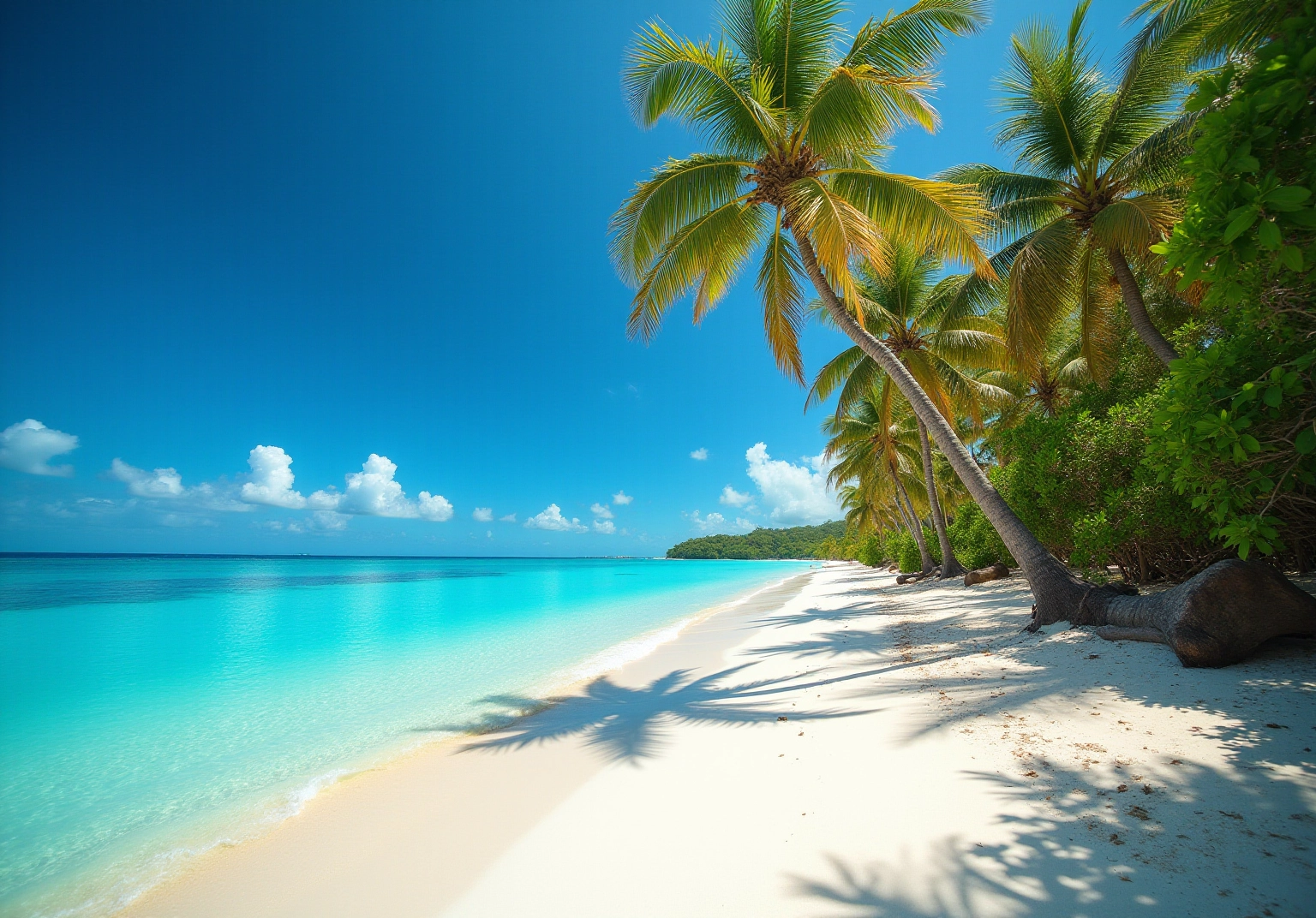
Consistently ranked at the apex of global beach rankings, Grace Bay Beach is a paradigm of perfection. Its 3-mile continuous stretch features sand of such fine consistency it is often compared to powdered sugar. The critical factor is the barrier reef approximately one mile offshore, which attenuates ocean waves, creating perpetually calm, clear, shallow waters. This geological arrangement makes it ideal for swimming, stand-up paddleboarding, and snorkeling. The beach is meticulously maintained, with no rocks or seaweed, and is backed by a concentration of luxury resorts and villas. For 2026 visitors, it represents a benchmark for a high-service, low-stress beach vacation.
The Bahamas: Numerous Out Islands
The Bahamas archipelago, with its 700 islands and cays, offers immense variety. For the quintessential white sand experience, focus on the Exuma Cays or Harbour Island. Exuma's beaches, such as those around Stocking Island, offer remote, untouched beauty often accessible only by boat. Harbour Island is famed for its 3-mile Pink Sands Beach, where the white sand is infused with crushed coralina particles, giving it a distinctive rosy hue. The Bahamas' proximity to the United States and extensive flight network make it a logistically straightforward choice for 2026 travel.
Anguilla: Shoal Bay Beach
This British Overseas Territory is dedicated to beach-centric tourism. Shoal Bay Beach, often cited as the island's finest, is a two-mile crescent of vibrant white sand composed significantly of crushed shell and coral. The waters are protected, offering excellent snorkeling over vibrant reefs directly from the shore. Anguilla's atmosphere is less developed than some neighbors, focusing on upscale boutique hotels and villa rentals, appealing to travelers seeking refined tranquility.
The Indian Ocean
The islands of the Indian Ocean combine dramatic topography with rich marine ecosystems, creating beaches of extraordinary scenic power.
The Seychelles: Anse Source d'Argent, La Digue
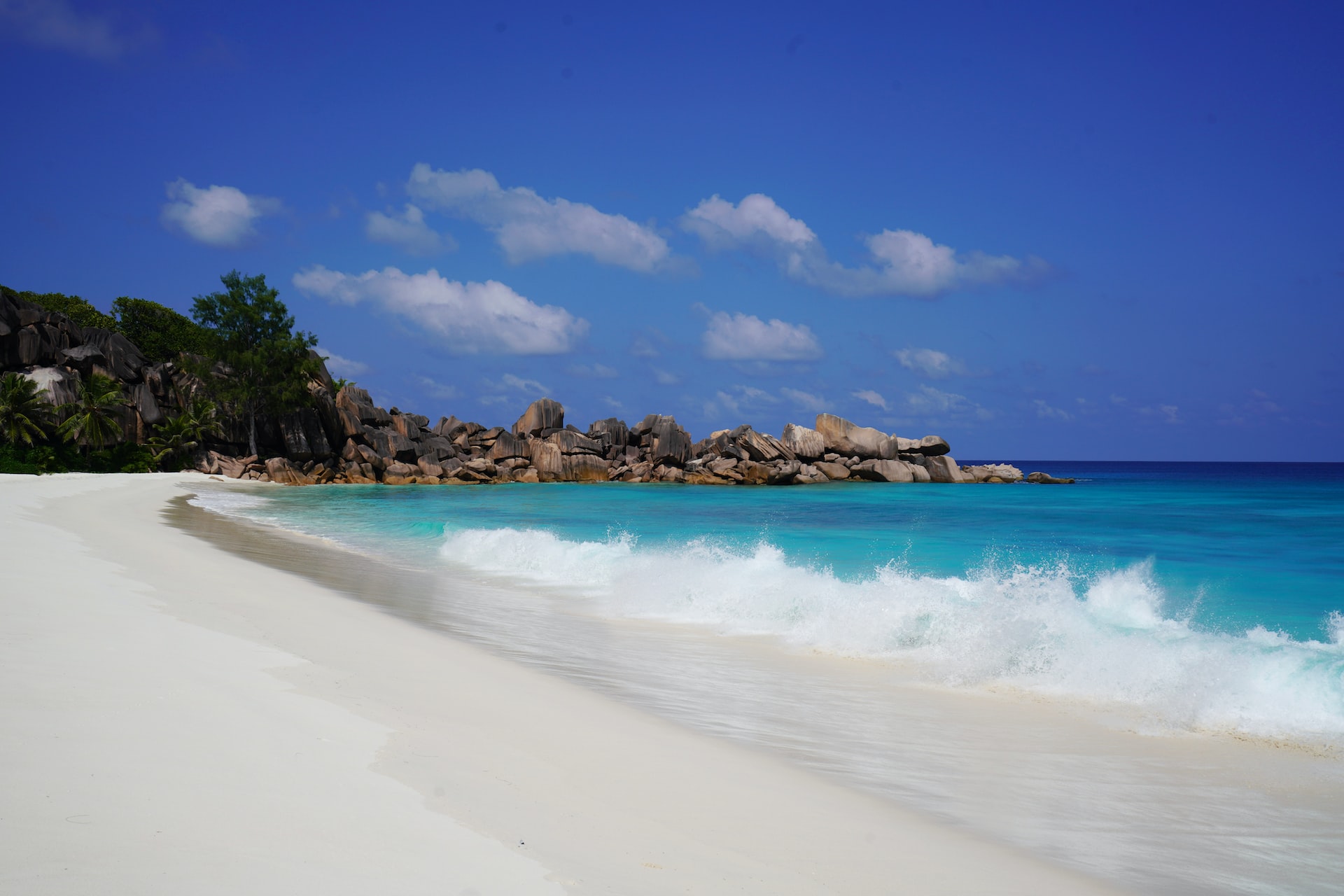
Perhaps the most photographically recognizable beach in the world, Anse Source d'Argent is a masterpiece of natural composition. Its signature features are the gigantic, sculpted granite boulders that frame pockets of brilliant white sand and shallow, warm lagoons. The sand originates from the erosion of coral and shells. Access requires a small entry fee, which helps preserve the environment. The beach is relatively small but offers multiple picturesque coves. Visitors in 2026 should note that the best experience often comes from staying on La Digue island itself, utilizing bicycle transport to reach the beach.
Maldives: Nationwide
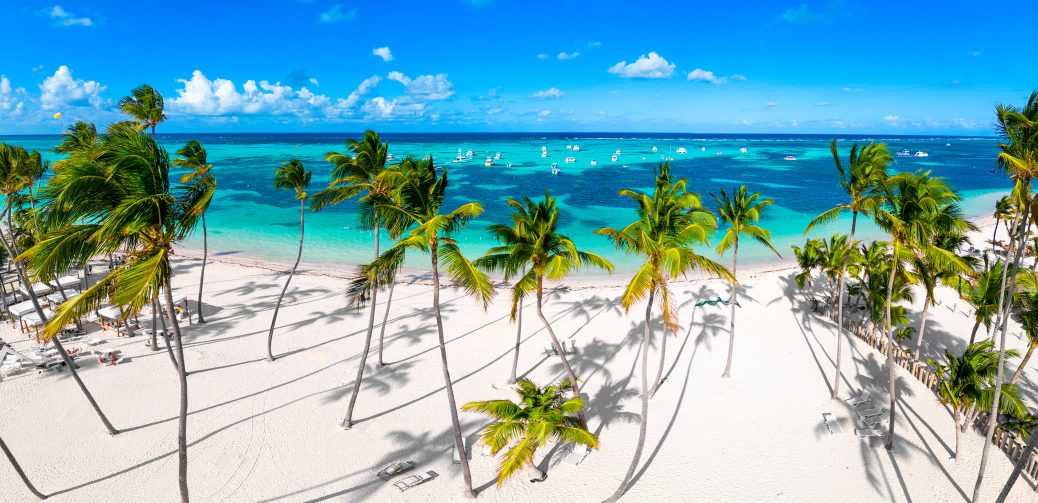
The Maldives is a nation defined by its beaches. Each resort island typically possesses its own private stretch of coralline white sand, often encircling the entire island. The sand is remarkably soft and pure, leading to the "desert island" aesthetic. The Maldivian model is one of all-inclusive resort isolation, where the beach, overwater villa, and lagoon are the entirety of the experience. For 2026, this remains the definitive choice for a honeymoon or ultra-private getaway where the beach is not a destination but your personal front yard.
Zanzibar, Tanzania: Nungwi Beach
Located on the northern tip of this historic spice island, Nungwi Beach offers a broad, palm-lined expanse of bright white sand. It is characterized by a vibrant local culture, with traditional fishing boats (dhows) dotting the shoreline. The beach is long and walkable, with a range of accommodations from guesthouses to luxury hotels. It offers a distinct combination of beach relaxation and cultural exploration, with Stone Town and spice tours nearby.
Southeast Asia & Oceania
This region offers beaches with intense biological diversity, adventurous accessibility, and some of the planet's most unique sands.
Australia: Whitehaven Beach, Whitsunday Islands
Whitehaven Beach is a scientific and scenic marvel. Its 4-mile stretch is composed of 98% pure silica quartz, making it extraordinarily fine, bright white, and non-heat-retentive. The sand is so pure it is used in NASA telescope lenses. The northern end features Hill Inlet, where tidal shifts create mesmerizing swirling patterns of sand and aquamarine water, a view best appreciated from a lookout or helicopter. Access is exclusively by boat, seaplane, or helicopter from Airlie Beach or Hamilton Island, making the journey an integral part of the adventure. For 2026, it represents the pinnacle of a dynamic, nature-focused beach experience.
Thailand: Koh Lipe, Sunrise Beach
In the Andaman Sea near the Malaysian border, Koh Lipe's Sunrise Beach (Hat Chao Ley) offers a 2-kilometer curve of soft sand and transparent water. It represents the classic Thai island beach aesthetic, with affordable beachfront bungalows and a laid-back atmosphere. The island is part of a national park, so environmental protections are in place. It is more accessible than some remote options, with regular ferry connections, making it suitable for travelers seeking beauty without extreme isolation.
Philippines: White Beach, Boracay
After a significant rehabilitation period, Boracay's White Beach has reopened as a managed, sustainable destination. Its 4-kilometer shoreline of powdery white sand remains one of Asia's most iconic. The beach is now divided into zones with regulated activities, ensuring environmental preservation. The 2026 experience here is one of vibrant energy, with a plethora of dining, shopping, and water sports options readily available, contrasting with more secluded island choices.
The Mediterranean & Europe
European islands offer white sand beaches often framed by historic landscapes and unique flora.
Greece: Balos Beach & Lagoon, Crete
Balos is not merely a beach but a spectacular lagoon formed between the mainland of Crete and the Gramvousa peninsula. The sand here possesses a unique pinkish hue due to a mixture of white sand, crushed seashells, and red coral fragments. The landscape is dramatic and remote, requiring a hike or boat trip to access. The result is an otherworldly setting with shallow, warm waters perfect for swimming. It appeals to the traveler seeking a beach experience coupled with geological wonder and physical activity.
Italy/Sardinia: Chia Beach, Sardinia
The Bay of Chia on Sardinia's southern coast is celebrated for its 3-kilometer dune-backed beach and clear, shallow waters. The environment is distinctive, with juniper bushes and occasional sightings of pink flamingos in the nearby wetlands. Sardinia's beaches are known for their natural beauty and relative lack of dense development compared to other Mediterranean hotspots. Chia offers a blend of beach relaxation and naturalistic exploration.
Critical Considerations for 2026 Travel Planning
Selecting the ideal destination requires analysis beyond mere aesthetics. The following factors are paramount for contemporary travel planning.
Environmental Sustainability & Stewardship
The preservation of these fragile ecosystems is a collective responsibility. In 2026, travelers must prioritize destinations and operators with demonstrable conservation practices. Key actions include:
- Choosing resorts with credible green certifications.
- Using only reef-safe, mineral-based sunscreen to prevent chemical damage to coral reefs.
- Supporting local conservation initiatives, such as turtle protection programs in Zanzibar or reef restoration in the Maldives.
- Adhering to all local guidelines, such as entry fees at protected sites like Anse Source d'Argent, which fund maintenance.
Accessibility and Tourism Infrastructure
The mode of access defines the experience. Consider:
- Direct Beach Access: Destinations like Grace Bay (Turks and Caicos) or Boracay offer beachfront accommodations and immediate access.
- Adventure Access: Beaches like Whitehaven (Australia) or Balos (Greece) require a boat, hike, or flight, offering a sense of discovery and exclusivity.
- Isolation Level: The Maldives model offers complete isolation; Koh Lipe or Exuma offer a balance of beauty with some local community interaction.
Seasonality and Climate
Optimal visiting periods vary:
- Caribbean/Atlantic: Peak conditions are typically December to April, avoiding the hurricane season (June-November).
- Indian Ocean: The Seychelles and Maldives are best from November to April (dry, calm seasons). Zanzibar's best weather is June-October.
- Southeast Asia/Oceania: Thailand and Philippines optimal November-April. Australia's Whitsundays best September-December.
- Mediterranean: Summer months (June-August) are ideal, though crowds are peak.
The Award-Winning Benchmark for 2026
According to Tripadvisor's 2026 Travelers' Choice Awards, the current title holder for "World's Best Beach" is a secluded white-sand strip off the coast of Cozumel, Mexico. This highlights a growing traveler preference for untouched, smaller-scale beaches that offer pristine conditions and a sense of personal discovery. This trend indicates that while the grandes dames like Grace Bay remain immensely popular, the recognition of hidden gems is shaping contemporary travel desires.
##EXECUTIVE INSIGHT: BEYOND THE POSTCARD — THE EVOLUTION OF WHITE SAND DESTINATIONS IN 2026
The white sand beach experience has matured significantly beyond passive sunbathing and passive观光. In 2026, travelers increasingly seek purpose-driven visits—experiences where environmental consciousness, cultural immersion, and sensory engagement converge on the shoreline. Resorts now transparently publish their sustainability metrics, and many islands have implemented real-time carrying capacity caps to prevent over-tourism, particularly on sensitive sites like Hill Inlet or Anse Source d’Argent. Similarly, the rise of micro-experiences—such as dawn paddleboard yoga in the bioluminescent lagoons of Vaadhoo Island (Maldives), guided tidal-pool foraging with locals in Zanzibar, or sand-mineral analysis workshops at Whitehaven—responds to demand for authenticity and depth.
A significant shift is underway in how accessibility is perceived: convenience no longer equates to proximity alone. Instead, it incorporates predictability and ease of navigation. Dedicated beach concierge services—often embedded within resort operations—now manage everything from tide charts and tide-pool safety briefings to private sand-picnic setups with locally sourced gourmet baskets. These concierges also coordinate with marine biologists for scheduled snorkel excursions with coral monitoring teams, turning leisure into lifelong learning.
This holistic approach has propelled emerging destinations like Tanna Island, Vanuatu, into the spotlight. Its Yasur Beach, backed by black sand dunes and flanked by the active volcano Yasur, represents a radical reinterpretation of “white” not just as a visual—but as a conceptual contrast to chaotically beautiful natural forces.游客 in 2026 are increasingly granting such high-impact, low-density locales preference over saturated originals. This signals a broader tourism ethos: the rare and fragile demand respect; the intimate deserves time.
Hidden Gems Worth the Detour: Emerging White Sand Beaches for the Discerning 2026 Explorer
While established favorites remain unparalleled, several lesser-known islands have elevated their infrastructure and conservation efforts to international standards, offering near-pristine white sand experiences with fewer crowds and rich ecological storytelling.
###Cook Islands: Muri Beach, Rarotonga
Often overshadowed by Polynesian icons like Bora Bora, Rarotonga’s Muri Beach is a revelation. Its calm, lagoon-protected waters are studio-perfect turquoise, backed by a narrow strip of powdery, calcium-carbonate sand. What distinguishes Muri is its community-led stewardship model: local vendors operate day-use beaches where proceeds fund reef restoration and youth marine education. Guests can glide于 glass-bottom kayaks guided by islanders who share ancestral navigation lore. With direct connections to Auckland and Brisbane, and a UNESCO-backed cultural immersion program, Muri offers a deeply rewarding hybrid of seclusion and meaning.
Saint Vincent & the Grenadines: Bequia’s Canouan Island
Though part of the legendary “Caribbean Voyage” yachting circuit, Canouan remains refreshingly unspoiled. Its Castle Belt Beach features a 1.5-mile whisper-soft white sand expanse polished by centuries of coral abrasion, backed by tropical foliage and free of high-rise development. A recent conservation agreement with the Nature Conservancy has restored over 500 acres of adjacent seagrass meadows, boosting marine biodiversity to pre-industrial levels. caveat: access is via private charter plane or yacht, ensuring a naturally curated guest list.
Palm Island, Grenada
A short ferry ride from Grenada’s主岛, Palm Island is a family-owned private islet with three separate coves, each offering subtly different sand textures—from almost chalk-like grains at Palm Beach to slightly more orbicular, shell-inclusive textures at kite-surfing-friendly Happy Bay. The entire island operates on solar microgrids, and每一位 guest participates in a 10-minute post-check-in “Coral Care Pledge,” aligning their stay with local reef health goals. This hyper-local accountability model—where guests receive real-time updates via app on the health of the reef they swam in—sets a new 2026 expectation.
FAQ: Navigating Your White Sand Beach Journey in 2026
Q1: Are all “white sand” beaches truly white—and what accounts for color variations?
A: Not all are pure white. Many derive their hue from mixed sources: coral (white to cream), shell (ivory to pink), or volcanic minerals (gray or black). “White” sand may alterations due to seasonal runoff, algal blooms, or mineral content. For example, Grainger Beach in Palau appears lemon-yellow at sunrise due to mica flakes, while Nungwi’s sands can appear golden-orange at sunset. True quartz-based whites (e.g., Whitehaven) rarely discolor because quartz is chemically inert and doesn’t react to light in the same way organic carbonates do.fn
Q2: Can families with young children find suitable white sand beaches?
A: Absolutely—and 2026 has introduced several innovations. Destinations like Grace Bay and Boracay now designate “Sunrise Zones”—early-morning-only beach clusters where noise is minimized and lifeguard-to-guest ratios are optimized for families. Several resorts offer “Beach-ready Kits” containing reef-safe sunscreen UIApplication, hydration wristbands (that change color to signal dehydration risk), and toddler-safe sand-sifting nets for marine creature interaction. Moreover, the Seychelles’ Sainte Anne Island offers **”Sand &_signature”**覆盖率, a climate-controlled, shaded family village with shallow-entry beach nurseries and pediatric lifeguards.
Q3: Is there a responsible way to visit fragile ecosystems like Anse Source d’Argent or Hill Inlet?
A: Yes—intentionality is key. First, visit off-peak hours: aim for 7:30–9:30 AM or 3:30–5:30 PM, when crowds thin and light is ideal for photography. Second, do not walk on coral or seagrass—even trampled sand can compact for months. Third, carry reef-safe lip balm and moisturizer, not just sunscreen. At Anse Source d’Argent, consider hiring a local guide—entry fees are amplified by a 5% “Cultural Ambassador” supplement that funds oral history preservation. At Hill Inlet, flights are now capped at 30/hour, and operators are required to submit post-flight carbon offset data.
Q4: Which islands combine white sand beaches with meaningful cultural or historical layers?
A: Zanzibar (Stone Town concordance with Arabic, Swahili, and colonial legacies), the Philippines (pre-colonial pearl-diving traditions preserved in Rasa Island), and Palau (local “bul”system of marine protected areas rooted in ancestral law). Even Sardinia’s Chia Beach ties to Phoenician maritime trade routes—guided sunset walks now include 3D-mapped reconstructions of lost harbor structures using LiDAR projected onto the sand itself.
Q5: How do I ensure my stay contributes directly to beach preservation?
A: Seek out the Beach Keeper Certification Program, newly adopted by 11 leading island clusters (including Maldives Resort islands, Whitsundays, and Exuma). Guests who complete a 90-minute course—covering local ecology, waste stream logistics, and silent observation protocols—receive a personalized digital badge and are invited to join monthly citizen-science beach cleanups with marine biologists. Alternatively, book through certified operators like Blue Resources Alliance, where 100% of beach access fees go to local monitoring stations.
Final Reflections: The beaches as memory anchors
In an era defined by digital saturation and attention fragmentation, the white sand beach endures—not as a cliché, but as a tactile sanctuary. Its power lies in its simultaneously primal and transcendent nature: cool grains beneath bare feet, light fractured through water, the hush of wind over tidal curves. These islands, each a geological palindrome of time and tide, now serve as both refuge and responsibility. By choosing consciously, travelers in 2026 aren’t just visiting paradise—they’re co-authoring its future.
The best islands with white sand beaches offer more than recreation; they invite reconnection—with the planet, with presence, and with the quiet, enduring rhythms of nature. As the sun dips beyond the reef and the first stars pierce the indigo sky, it becomes unmistakable: these shores are not just places we visit. They are places that visit us—leaving behind traces of wonder long after the sand has shaken from our suitcase.
Whether you seek the mythic grandeur of Grace Bay, the surreal artistry of Anse Source d’Argent, or the untamed pulses of Yasur Beach, each destination presents a distinct chapter in the evolving story of paradise. The choice is deeply personal, but the intention must be shared: to tread lightly, perceive deeply, and leave only footprints—none that outlast the tide.