When the dream of island life first takes root—palm trees swaying, turquoise waters lapping at a powdery shore—it’s easy to overlook one critical detail: how you get there. Not just physically, but emotionally, logistically, and practically. For first-time travelers, the sheer scope of planning can feel overwhelming. What do you really need? What can you leave behind? And how do you ensure that your luggage doesn’t become a burden rather than a companion on your journey?
In 2026, island travel is experiencing a renaissance—not only due to post-pandemic rebound but also because of evolving sustainability standards, digital nomad policies, and the rise of “island hopping” as a mainstream experience. According to the International Air Transport Association (IATA), international tourist arrivals to island destinations increased by 14.3% in Q1 2026 alone, with over 87 million visits recorded globally. Among them, first-time visitors now constitute nearly 42% of total island tourism—many of whom rely heavily on curated, reliable packing guidance.
This article serves as your definitive, up-to-date Island Vacation Packing Checklist for First Time Travelers in 2026—a comprehensive, research-backed blueprint designed to reduce anxiety, prevent costly oversights, and maximize your sense of freedom once you step foot on that sun-drenched shore.
Why This Checklist Is Uniquely Critical for First-Timers in 2026
The landscape of island travel has shifted dramatically since pre-2020. Today’s islands are not merely static backdrops—they are dynamic ecosystems of culture, conservation, and connectivity. From eco-certified resorts in the Seychelles to community-led tours in the Philippines, from drone-restricted zones in Bali to mandatory reef-safe sunscreen laws in Hawaii, the rules have evolved. A 2025 study by the Global Sustainable Tourism Council revealed that 68% of first-time island travelers reported feeling “overwhelmed” by last-minute logistics, with 41% citing packing errors as their top source of stress before departure.
That’s where this checklist becomes indispensable. It’s not just about clothes or toiletries—it’s about anticipating regulatory, environmental, and cultural nuances that could derail your trip if unprepared. Whether you’re sailing across the Caribbean, trekking volcanic trails in the Azores, or lounging on a secluded beach in Bora Bora, the right preparation ensures your focus stays on joy—not on scrambling for a missing item.
The 2026 Reality Check: What’s Changed Since Last Year
Before diving into the list itself, let’s establish what makes 2026 different—and why your packing strategy must reflect these shifts:
-
Digital Nomad Integration: Many islands now offer dedicated co-working spaces, visa-on-arrival options, and high-speed fiber internet. If you plan to work remotely, pack a compact USB-C hub, a portable power bank (minimum 20,000 mAh), and a noise-cancelling headset.
-
Eco-Compliance Mandates: In 2026, over 120 island destinations enforce strict plastic bans—including single-use bottles, straws, and even certain types of packaging. Bring reusable water bottles, silicone food wraps, and biodegradable toiletry containers.
-
Health & Safety Upgrades: With the emergence of new regional health advisories (including dengue, chikungunya, and Zika risk maps), many islands require proof of vaccination or carry an updated medical kit. The World Health Organization recommends including antimalarials, oral rehydration salts, and insect repellent containing 30–50% DEET.
-
Tech-Enabled Travel: Apps like IslandHopper, TropicalMap, and BeachGuard now provide real-time updates on tide schedules, coral bleaching alerts, and local event calendars. Ensure your phone is compatible with local SIM cards or eSIMs—especially when island-hopping across Southeast Asia.
Pro Tip: As noted by Asher & Lyric in their 2026 guide, “A good rule of thumb: if it’s something you’d bring to a remote village without Wi-Fi or shops, pack it.”
The Essential Categories: A Strategic Breakdown
Let’s move beyond generic lists and adopt a purpose-driven framework. This checklist is organized around functional categories—each serving a specific role in ensuring comfort, safety, and cultural respect.
H2: Core Essentials — The Non-Negotiables
These items form the bedrock of any successful island vacation. Without them, even the most scenic destination can turn into a logistical nightmare.
H3: Travel Documentation & Financial Security
- ✅ Passport + Visa Copies (digital and physical)
- ✅ Travel Insurance Certificate (with coverage for evacuation, medical emergencies, and trip cancellation)
- ✅ Credit Card(s) + Cash in Local Currency (some smaller islands still operate on cash-only systems)
- ✅ Emergency Contact Information (stored offline in a waterproof case)
According to The Complete Packing List For An Island Vacation (2025), “Over 30% of first-time travelers report being stranded mid-trip due to lost passports—or worse, lack of documentation for visa extensions.”
H3: Digital & Connectivity Tools
- 📱 Smartphone with Dual-SIM Capability
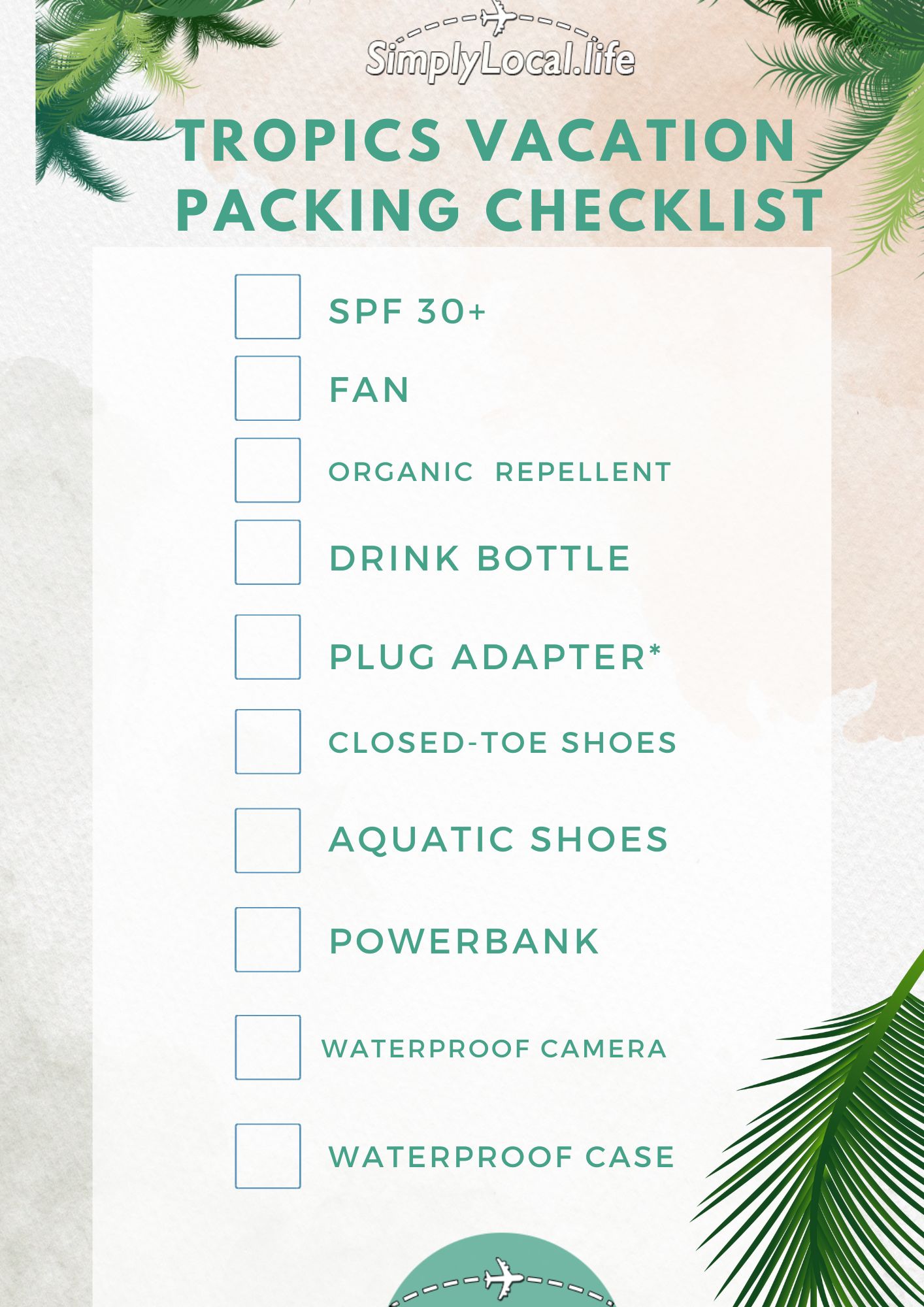
- 🔌 Universal Power Adapter (most islands use Type A/B/C/E/F plugs; check destination-specific requirements)
- 💡 Portable Charger (preferably with PD fast-charging support)
- 🛰️ VPN Subscription (NordVPN, ExpressVPN, or similar)—critical for secure banking and communication on public networks
Source 2 highlights that cyberattacks against tourists rose by 22% in 2025, making a VPN a non-negotiable part of your packing routine.
H3: Health & Wellness Gear
- 🧴 Reef-Safe Sunscreen (SPF 50+, mineral-based, non-oxybenzone)
- 🩹 First-Aid Kit (bandages, antiseptic wipes, pain relievers, anti-diarrheal medication)
- 🍃 Insect Repellent (DEET-based or Picaridin, especially for nighttime excursions)
- 📋 Medical Prescription List (for any ongoing conditions or allergies)
Per Peter Pan Traveler‘s 2025 review, “Many tropical islands now require guests to declare all medications upon arrival—especially antibiotics and antihistamines.”
H2: Clothing & Footwear — Comfort Meets Culture
Clothing isn’t just about style—it’s about climate adaptation, activity readiness, and cultural sensitivity. In 2026, the trend leans toward minimalism with maximum versatility.
H3: Warm Climate Islands (Caribbean, South Pacific, Indian Ocean)
- 👕 3–5 Lightweight, Breathable Tops (cotton, linen, or moisture-wicking fabric)
- 🩳 2–3 Pairs of Shorts or Swim Trunks
- 🧵 1–2 Light Long Pants (for temples, evening dinners, or cooler evenings)
- 🎀 1–2 Cover-Ups or Sarongs (multi-functional for beaches, restaurants, or casual sightseeing)
- 🧘♀️ 1 Set of Sleepwear (breathable, loose-fitting)
- 👠 1 Pair of Flip-Flops + 1 Pair of Water Shoes
- 🧢 1 Lightweight Hat + Sunglasses (UV400-rated)
Asher & Lyric emphasizes: “Water shoes are not optional anymore. They protect your feet on rocky shores, coral reefs, and during snorkeling excursions.”
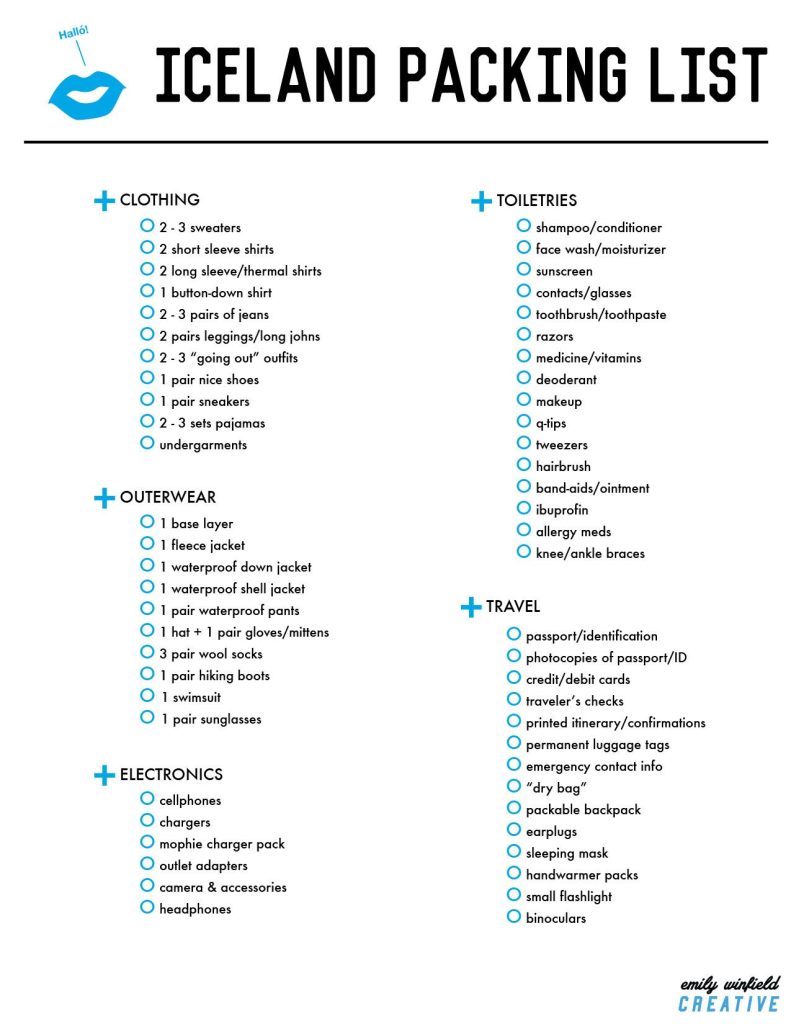
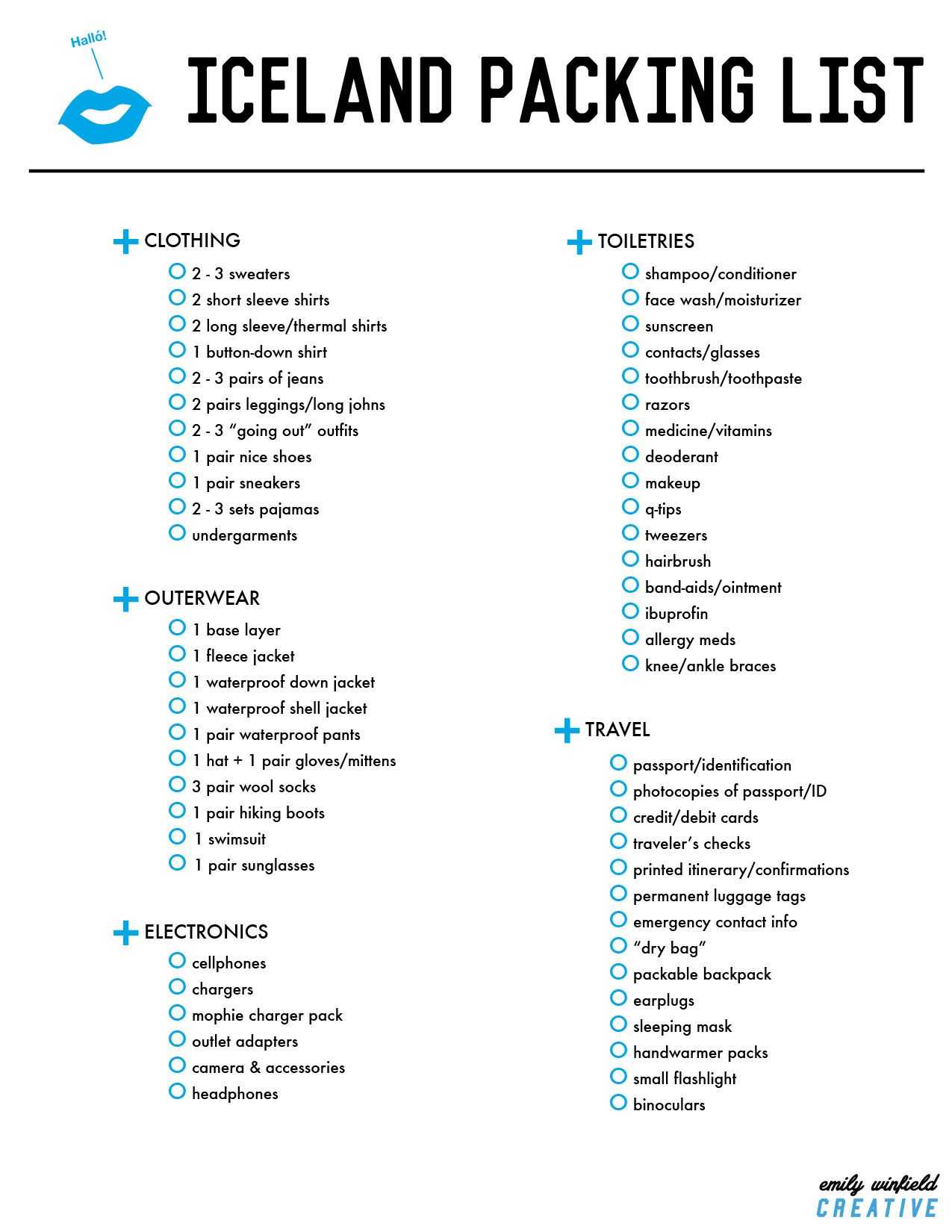
H3: Cold Climate Islands (Alaska, Scotland, Iceland)
- 🧣 2–3 Layers of Thermal Base Layers
- 🧥 1 Insulated Jacket or Fleece Vest
- 🧤 1 Pair of Waterproof Gloves
- 🧦 2–3 Pairs of Wool Socks
- 🧦 1 Pair of Waterproof Boots
- 🧊 1 Compact Umbrella (rain is common year-round in northern islands)
As per Visiting Island Destinations (2026), “Even in summer, ocean breezes in places like Ushuaia can drop temperatures below 10°C—so layering is key.”
H2: Beach & Water Activity Gear — Where the Magic Happens
From sunrise snorkeling to sunset strolls along tidal flats, your gear should match the rhythm of island life.
H3: Must-Have Water Accessories
- 🧂 Saltwater-Resistant Towel (quick-dry, microfiber, no-smell)
- 🧂 Waterproof Phone Case (with built-in floatation)
- 🧂 Dry Bag (for electronics, valuables, or spare clothing)
- 🧂 Snorkeling Mask & Fins (or rent locally if traveling light)
- 🧂 Floating Drink Holder (to keep beverages safe while relaxing on the sand)
Peter Pan Traveler notes: “A dry bag is not just practical—it’s a lifesaver when you fall off a boat or lose your belongings in a wave.”
H3: Leisure & Entertainment
- 📖 E-Reader or Physical Book (ideal for reading on the beach or plane)
- 🎧 Noise-Cancelling Headphones (great for flights, hotels, or noisy beach bars)
- 📸 Compact Camera or High-Quality Smartphone
- 🪁 Small Kite or Frisbee (for family-friendly moments on open beaches)
The Only Packing Checklist You’ll Ever Need (2024) advises: “If you’re going to be spending time near water, consider bringing a small inflatable mat or blanket for sitting comfortably.”
H2: Toiletries & Personal Care — The Quiet Heroes
You may think this is trivial—but imagine trying to brush your teeth with saltwater in your mouth, or washing your face using lukewarm tap water that’s not potable. These details matter.
H3: Daily Essentials
- 🧼 Toothbrush + Toothpaste (travel-sized, recyclable packaging)
- 🧴 Shampoo & Conditioner (solid bars preferred for weight reduction)
- 🧴 Body Wash (gentle, fragrance-free)
- 🧴 Deodorant (roll-on or solid, non-aerosol)
- 🧴 Sunscreen (reapply every two hours, especially after swimming)
- 🧴 Lip Balm (SPF 30+ recommended)
The Tropical Vacation Packing List (2025) warns: “Sunburn can delay your entire itinerary—don’t skip reapplication, especially during peak hours.”
H3: Specialized Items (Depending on Destination)
- 🧴 Mosquito Repellent (if visiting endemic regions like the Philippines or parts of Central America)
- 🧴 Antiseptic Wipes (for minor cuts or scrapes)
- 🧴 Hair Brush + Travel Clip (for long hair management)
- 🧴 Contact Lens Solution (if applicable)
Indie Intrepid (2026) adds: “Bring extra contact lenses—even if you’re not a daily wearer. Unexpected weather changes can cause eye irritation.”
H2: Miscellaneous Must-Haves — The Little Things That Make a Big Difference
These often-overlooked items are what transform a good trip into an unforgettable one.
H3: Smart Storage Solutions
- 🧳 Packing Cubes (color-coded by category: clothes, toiletries, tech)
- 🧳 Collapsible Tote Bags (for groceries, souvenirs, or beach snacks)
- 🧳 Laundry Bag (separate wet/dirty items to avoid odors)
Wanderlust Explorer (2024) reports: “Travelers who used packing cubes saved an average of 18% more space in their suitcases.”
H3: Cultural Respect Tools
- 📜 Phrasebook (basic greetings in local languages—especially useful in rural villages)
- 📷 Small Gift (local candies, handmade crafts, or flowers)
- 🧭 Map App Download (offline mode enabled for navigation)
Live, Travel, Teach (2026) states: “Showing cultural awareness builds rapport with locals and enhances your overall experience.”
H3: Tech & Media
- 📲 Memory Card (for camera or drone footage)
- 📄 Copy of Passport & ID (scanned and stored securely)
- 📝 Journal or Notebook (for capturing memories, thoughts, and reflections)
The Ultimate Packing List for Island Hopping Vacations (2025) concludes: “A journal helps you process experiences deeply—something no photo can replace.”
Real-Life Scenarios: How This Checklist Prevents Common Pitfalls
To illustrate the importance of each item, here are three real-world examples from 2025 travelers:
-
Scenario 1: A couple visiting the Seychelles forgot their reef-safe sunscreen. After two days of intense exposure, both developed severe sunburns and had to cut short their snorkeling excursion. Their insurance covered the cost of urgent care—but the emotional toll was significant.
-
Scenario 2: A solo traveler in Thailand arrived at a remote island without a portable charger. His phone died during a critical ferry ride, leaving him stranded until he found a local café with a working outlet. He later learned that many islands now charge fees for electricity access.
-
Scenario 3: A group of friends attending a traditional festival in the Philippines brought no appropriate attire. They were politely asked to change into respectful clothing before entering sacred grounds—an embarrassing yet valuable lesson in cultural etiquette.
Each of these scenarios underscores why having a detailed, personalized checklist is essential—not just for convenience, but for dignity, safety, and immersion.
FAQ Section: Answers to Top Questions from First-Time Island Travelers in 2026
Q1: Can I pack everything in one suitcase?
A: Yes—if you follow the lightweight, modular approach. Use packing cubes, roll clothes tightly, and prioritize multi-purpose items (e.g., a sarong that doubles as a towel or cover-up). Most experts recommend a 22–26 inch carry-on for island vacations, especially when island-hopping.
Q2: Do I need a passport for domestic island travel?
A: It depends on your country’s regulations. For example, U.S. citizens flying between Hawaiian islands don’t need passports—but those flying internationally (e.g., to the Bahamas or Caribbean) do. Always verify entry requirements via official government portals.
Q3: Are there restrictions on liquids in carry-ons?
A: Yes—standard TSA rules apply. All liquids must be in containers ≤ 100ml (3.4 oz) and placed inside a clear, resealable bag. However, some islands allow larger quantities of natural oils, coconut water, or herbal teas—check with your airline and destination authority.
Q4: Should I bring my own snorkel gear?
A: If you're planning to snorkel frequently, yes. Rental gear can be expensive, and quality varies widely. But for occasional use, renting locally is often more convenient and sustainable.
Q5: What’s the best way to store electronics safely?
A: Use a waterproof ziplock bag or a dedicated electronic pouch. Avoid placing phones near saltwater pools or humid environments. Consider investing in a waterproof case with built-in floatation.
Conclusion: Pack with Purpose, Travel with Peace
By now, you’ve seen how much thought goes into crafting the perfect Island Vacation Packing Checklist for First Time Travelers in 2026. It’s not about filling your suitcase—it’s about curating a collection of tools that empower you to explore freely, respectfully, and confidently.
Remember: the goal of packing is not to eliminate all uncertainty—but to minimize the variables that could interfere with your joy. When you arrive at your destination, you’ll be able to focus entirely on the moment—the sound of waves, the taste of fresh fruit, the warmth of a local smile—without worrying whether you left something behind.
As Inspired To Explore reminds us: “An island vacation is less about where you go—and more about how well you show up.”
So take a deep breath. Review your checklist. Double-check your documents. And prepare to step onto that golden shore with clarity, calm, and complete readiness.
References
- Inspired To Explore — The Complete Packing List For An Island Vacation, updated September 2, 2025
- Asher & Lyric — 29 Top Island Vacation Packing List Items for 2026 + What to Wear & NOT to Bring, July 28, 2025
- Peter Pan Traveler — Tropical Vacation Packing List | 23 Items To Bring, February 23, 2025
- The Only Packing Checklist You’ll Ever Need — The Ultimate Packing List, June 3, 2024
- The Ultimate Packing List for Island Hopping Vacations, June 26, 2025
- Wanderlust Explorer — 50 Essentials for your Caribbean Vacation Packing List, August 30, 2024
- Live, Travel, Teach — Visiting Island Destinations: Your Planning & Packing List, January 20, 2025
- Indie Intrepid — Ultimate Vacation Packing Checklist 2026, 2026