
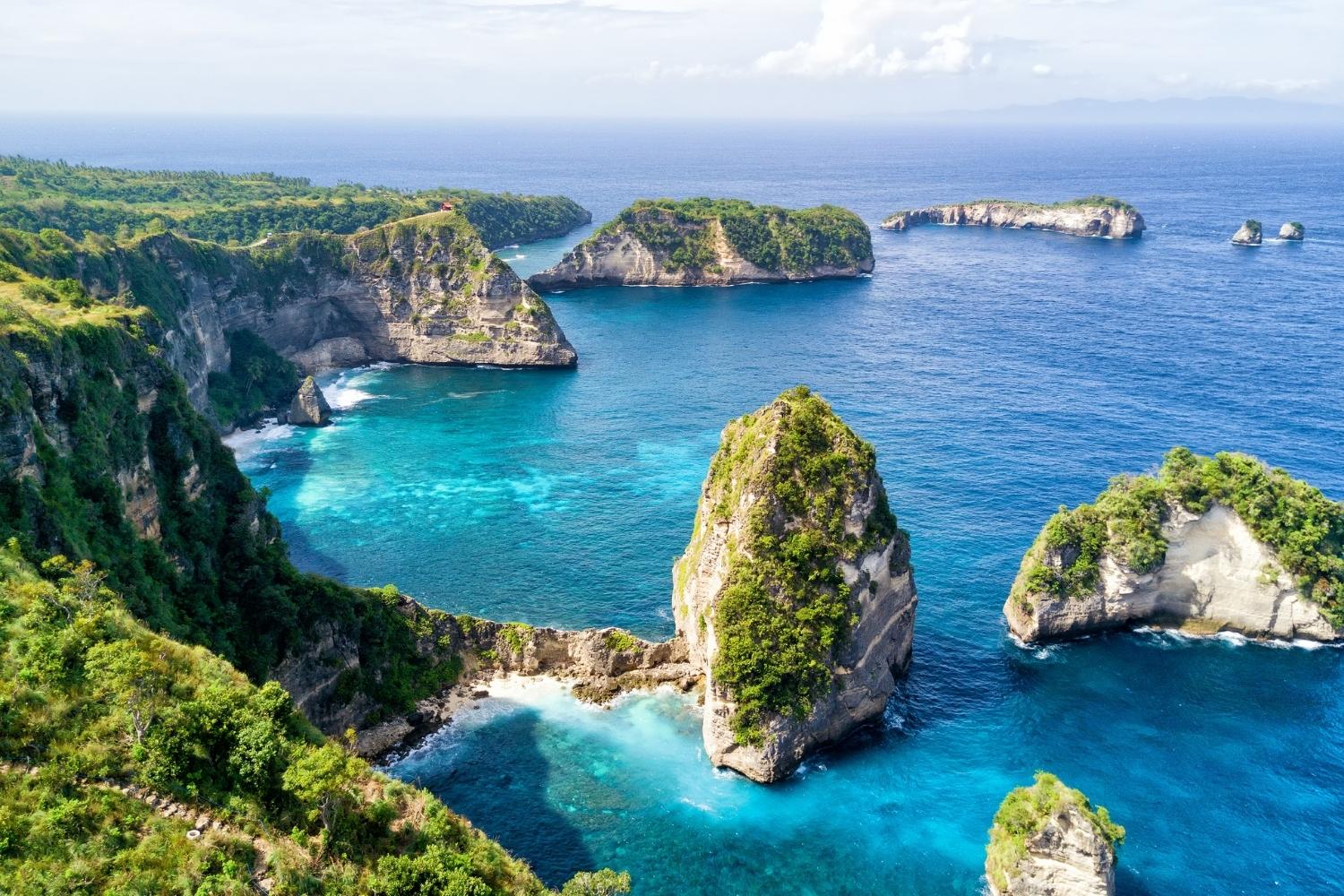
The Quest for Tranquility in the Shadow of Bali
Bali is undeniably a world-class destination, but the sheer volume of visitors can sometimes obscure the peace and quiet that many travelers crave. If you find yourself yearning for the pristine beaches and slow-paced island life that Bali once offered, you need to look just a little further afield. Exploring the best islands near Bali without crowds is not just about finding a remote spot; it is about reclaiming the magic of discovery.
By venturing to the smaller neighboring islands, you can trade traffic jams and crowded cafes for empty shorelines and authentic cultural interactions. This guide is designed to help you navigate the logistics and expectations of choosing a quieter retreat within reach of the main island.
Postmortem: The Incident of Over-Tourism in Bali
In recent years, the rapid influx of tourism has created a significant strain on the infrastructure and natural beauty of Bali’s southern coast. This postmortem analysis examines why travelers are increasingly seeking alternatives and what the shift to smaller nearby islands actually entails for the modern wanderer.
- Increased congestion: Popular areas like Canggu and Uluwatu have reached saturation levels that impact the quality of the visitor experience.
- Rising costs: High demand has led to a significant spike in accommodation and service prices across the most popular regions.
- Loss of authenticity: The homogenization of local experiences to cater to mass tourism has diluted the cultural immersion factor.
- Sustainability concerns: The environmental impact of managing millions of tourists annually has become a critical issue for local ecosystems.
- Infrastructure strain: Waste management and transportation systems are frequently overwhelmed during peak seasons.
Timeline: Transitioning to Remote Island Exploration
Planning an escape to quieter islands requires a structured approach to ensure your trip remains peaceful rather than stressful. Follow this timeline to manage your transition from the busy Bali hub to a tranquil island getaway.
- Week 1: Research and Selection. Identify which island aligns with your interests, whether it is diving, yoga, or simply disconnecting from digital life.
- Week 2: Logistics Assessment. Check ferry schedules and local transport options, as infrastructure on smaller islands is often limited.
- Week 3: Accommodation Booking. Secure a stay early, as remote islands often have limited reputable guesthouses or eco-resorts.
- Week 4: Packing for Minimalism. Pack light, as you will likely be handling your own luggage on smaller boats and sandy paths.
- Week 5: The Departure. Plan your transit from your Bali hotel to the harbor at least four hours before the scheduled boat departure.
Root Cause Analysis: Why Do Crowds Accumulate?
Understanding why certain areas become crowded helps you make better choices for your next trip. We can break this down using the 5-Whys framework to uncover the underlying drivers of tourist concentration.
- Why is it crowded? Because everyone is visiting the same three or four regions.
- Why is everyone visiting those regions? Because they are heavily featured on social media platforms and travel blogs.
- Why are those specific spots featured? Because they have the most established infrastructure for international tourists.
- Why is the infrastructure focused there? Because investment follows the highest concentration of potential return.
- Why does the cycle persist? Because travelers fear the unknown and stick to what is validated by others.
The Impact of Choosing Less-Traveled Destinations
When you choose to visit an island that sees fewer tourists, the ripple effect is profound. Your presence directly supports local economies that often struggle to compete with the massive industry in Bali. Furthermore, you gain a unique perspective on the archipelago that remains untouched by the commercial machine.
You will likely encounter fewer Western-style amenities, but this trade-off often leads to deeper connections with the local community. It is a form of sustainable tourism that prioritizes quality of experience over the convenience of a resort-style vacation. You can read more about finding the perfect quiet getaway to start planning your itinerary.
What Went Well and What Needs Improvement
Reflecting on travel experiences allows us to refine our future adventures. Here is a breakdown of common successes and failures when trying to avoid crowds.
- Successes: Finding affordable local food, experiencing genuine hospitality, and enjoying private beach moments.
- Successes: Discovering unique wildlife and undisturbed reef systems that are protected from mass tourism.
- Failures: Underestimating the difficulty of finding reliable transportation on remote islands.
- Failures: Not carrying enough cash, as ATMs are rare or frequently out of service on smaller islands.
- Failures: Assuming that all remote islands have consistent high-speed internet for remote work.
Action Items for Your Island Expedition
Preparation is the difference between a relaxing retreat and a logistical nightmare. Use this table to organize your priorities before you leave the main island of Bali.
| Action Item | Owner | Due Date |
|---|---|---|
| Book fast-boat tickets | Traveler | 3 days pre-trip |
| Withdraw local cash | Traveler | Morning of departure |
| Download offline maps | Traveler | Night before |
| Confirm port transfer | Traveler | 24 hours before |
| Pack basic first-aid | Traveler | 1 week pre-trip |
Lessons for Navigating Remote Archipelago Systems
Travelers who master the art of visiting remote islands often share a set of common practices. These lessons ensure that you remain a respectful guest while enjoying the seclusion you have traveled so far to find.
- Respect the local pace: Do not expect the same speed of service you find in busy tourist districts.
- Prioritize environmental protection: Always carry your trash back to the mainland if waste management on the island is insufficient.
- Learn basic phrases: Knowing a few words of the local language goes a long way in building rapport with island residents.
- Be self-sufficient: Bring your own reef-safe sunscreen, insect repellent, and necessary medications.
- Embrace the unexpected: Boat schedules may change due to weather; flexibility is your greatest asset.
Evaluating the Best Island Candidates
Not all islands are created equal. Some offer luxury, while others are geared toward backpackers. It is important to match your travel style with the island's personality to ensure a successful stay. You might find that smaller islands like Nusa Penida’s quieter neighbors or the Gili Meno offer very different vibes compared to the main hub.
The true traveler seeks not just a destination, but a state of mind. When you leave the crowds behind, you open yourself to the rhythm of the island, where the sun sets in silence and the stars define the night.
Consider whether you prefer a rugged landscape or a soft, sandy beach, as this will heavily influence your selection of accommodation and activities during your stay.
Common Pitfalls When Planning Your Escape
Many travelers fall into the trap of over-planning or failing to account for the realities of rural island life. Avoid these common mistakes to keep your trip on track and stress-free.
- Ignoring the weather: Always check the sea conditions, as smaller boats can be canceled due to high swells.
- Over-packing: You do not need formal wear or excessive gear; focus on essentials.
- Relying on digital connectivity: Assume that you will be offline for most of the day and plan accordingly.
- Disrespecting local customs: Dress modestly when leaving the beach and entering villages or temples.
- Forgetting to tip: While not mandatory, small gestures of gratitude are appreciated in local communities.
Why Off-Season Travel is Your Best Strategy
If you want to avoid crowds, the time of year you choose is just as important as the destination itself. Traveling during the shoulder season, typically just before or after the peak months, can offer the best balance of weather and isolation. During these times, you will find that even the slightly more popular islands feel like private paradises.
Furthermore, local businesses are often more eager to provide personalized experiences during quieter periods. You might find that you have a local guide all to yourself or that you are the only person enjoying a sunset at a popular viewpoint. This is the ultimate strategy for those who value solitude above all else.
The Role of Sustainable Tourism in Island Preservation
As we seek out these quiet corners of the world, we must remember our responsibility to preserve them. The principles of sustainable tourism are crucial for the long-term health of these fragile ecosystems. By minimizing our footprint, we ensure that these islands remain beautiful for generations to come.
Choose eco-conscious accommodations that prioritize water conservation and waste reduction. Be mindful of your plastic usage, as many remote islands lack the facilities to process large amounts of waste. Your small actions, multiplied by every conscious traveler, make a massive difference in protecting these hidden gems.
Connecting with Local Culture Responsibly
One of the greatest rewards of visiting lesser-known islands is the opportunity to engage with local cultures in an authentic way. Unlike the highly commercialized performances in major hubs, island life often offers a glimpse into traditional livelihoods such as seaweed farming, fishing, and craft making.
- Observe first: Take time to watch how local life flows before intervening or asking for photos.
- Ask permission: Always ask before taking photographs of people or their homes.
- Support local markets: Buy your produce and crafts from local vendors rather than large-scale souvenir shops.
- Participate respectfully: If invited to a local event, follow the lead of the residents regarding dress and conduct.
- Give back: Consider supporting local schools or community projects if you want to leave a positive impact.
Final Preparations Before You Set Sail
Before you depart, conduct one final check of your gear and your itinerary. Ensure that you have all your travel documents, sufficient local currency, and a clear understanding of your transport arrangements. Being fully prepared allows you to relax the moment you step onto the boat.
Remember that the goal is to disconnect from the chaos of modern life. Once you arrive at your chosen island, let go of your rigid schedule and allow the natural pace of the environment to guide your day. This is the essence of true relaxation and the primary reason to seek out the best islands near Bali without crowds.