
Why Seek Alternatives to the Island of the Gods?
While Bali remains a legendary destination for digital nomads, surfers, and spiritual seekers, its popularity has led to significant infrastructure pressure and crowded tourist hotspots. Many travelers seeking the authentic magic of the Indonesian archipelago are now looking for the best alternative islands to Bali that offer similar beauty without the overwhelming traffic and commercialization. Whether you crave untouched coral reefs, volcanic trekking, or simply a hammock under a palm tree, the surrounding regions provide diverse landscapes that cater to every type of adventurer.
Choosing an alternative island is not just about escaping the crowds; it is about discovering a different rhythm of life. From the rugged peaks of Lombok to the remote archipelagos of the east, these destinations provide a chance to connect with local traditions that have remained resilient despite the global reach of modern tourism. By venturing slightly further afield, you gain access to clearer waters, more affordable luxury, and a deeper sense of solitude.
Comparing Key Destinations: Bali vs. The Alternatives
When selecting your next destination, it helps to weigh the primary features of each location against your specific travel goals. This comparison table highlights what makes these alternatives distinct from the traditional Bali experience.
| Island | Primary Appeal | Ease of Access | Crowd Factor | Best For |
|---|---|---|---|---|
| Lombok | Surfing & Hiking | High | Low/Medium | Adventure Seekers |
| Flores | Diving & Nature | Medium | Low | Nature Lovers |
| Nusa Penida | Dramatic Scenery | High | Medium | Day Trippers |
| Sumba | Culture & Isolation | Low | Very Low | Explorers |
| Belitung | White Sand Beaches | Medium | Low | Beach Bums |
Lombok: The Natural Successor to Bali
Lombok is frequently cited as the closest rival to Bali, yet it retains a much more laid-back atmosphere. Separated by the Lombok Strait, this island offers a starkly different topographical experience, dominated by the massive Mount Rinjani volcano. If you are interested in finding the best islands near Bali without crowds, Lombok serves as the perfect gateway to the region.
- Kuta Lombok offers world-class surf breaks that rival Uluwatu without the massive lineups.
- The Gili Islands, located just off the coast, provide a car-free environment perfect for cycling and snorkeling.
- Trekking Mount Rinjani provides a multi-day challenge that rewards hikers with incredible crater lake views.
- The southern coast features pristine beaches like Tanjung Aan and Selong Belanak.
- Local Sasak culture remains the heartbeat of the island, with traditional weaving villages open to visitors.
The Allure of Flores and the Komodo Archipelago
For those who prioritize marine life and dramatic landscapes, Flores is an unparalleled destination. It serves as the jumping-off point for Komodo National Park, a UNESCO World Heritage site. Unlike the resort-heavy areas of Bali, Flores is rugged, wild, and incredibly photogenic, making it a dream for photographers and divers alike.
- Book a liveaboard boat trip from Labuan Bajo to explore the remote corners of Komodo National Park.
- Visit the Kelimutu Tri-colored Lakes, where volcanic activity causes the water to shift between shades of turquoise, green, and red.
- Spend time in Wae Rebo, a traditional village nestled in the mountains known for its unique cone-shaped houses.
- Explore the limestone caves of Liang Bua, which gained international fame for the discovery of the 'Hobbit' hominids.
- Enjoy fresh seafood dinners in Labuan Bajo while watching some of the most vibrant sunsets in Indonesia.
Sumba: Where Time Seems to Stand Still
Sumba is an island for the traveler who has seen it all and wants something completely different. It is significantly larger and less developed than Bali, offering a raw, authentic glimpse into megalithic traditions and animist beliefs. The island is famous for its ikat textiles and the annual Pasola festival, a traditional horse-riding ritual.
"Sumba is not for the faint of heart; it requires patience and a spirit of adventure, but the rewards are an intimacy with nature and culture that is nearly impossible to find in more commercialized tourist hubs."
If you decide to visit, prepare for limited infrastructure. The trade-off is empty beaches, massive waterfalls like Lapopu, and the chance to stay in eco-luxury resorts that operate in harmony with the local environment.
Nusa Penida and Lembongan: The Nearby Escapes
If you are short on time but desperate for an alternative atmosphere, the islands of Nusa Penida and Nusa Lembongan are easily accessible by a short boat ride from Sanur. While Nusa Penida has gained significant popularity, it still feels vastly different from the mainland, with its towering limestone cliffs and rugged coastal trails.
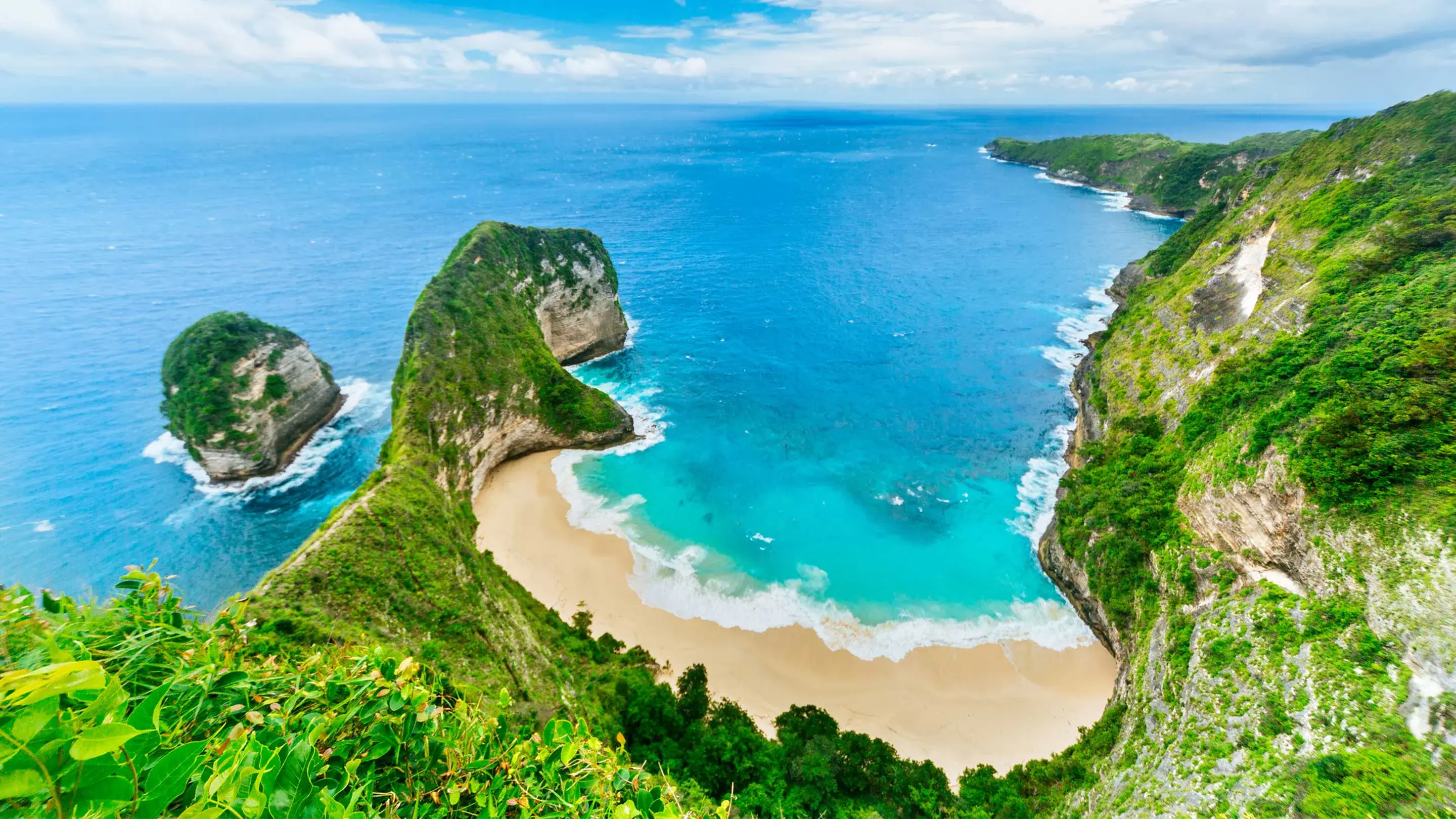
- Visit Kelingking Beach to witness one of the most famous cliff formations in all of Indonesia.
- Go snorkeling at Crystal Bay, where you have a high chance of spotting Manta Rays.
- Cross the Yellow Bridge to explore Nusa Lembongan for a more relaxed, boutique-hotel experience.
- Rent a scooter to navigate the winding, narrow roads that lead to hidden viewpoints.
- Watch the sunset from the cliffside cafes at Broken Beach for an unforgettable evening.
Belitung: The Hidden Gem of the West
While many travelers focus on the islands east of Bali, Belitung, located off the coast of Sumatra, offers a completely different aesthetic. Famous for its massive granite boulders that sit on white sand beaches, the landscape looks more like the Seychelles than Southeast Asia. It is a fantastic option for those who want a quiet, tropical getaway.
- Take a boat tour to the surrounding small islands, such as Lengkuas, known for its historic lighthouse.
- Sample the famous Belitung coffee at a traditional warung in Tanjung Pandan.
- Swim in the calm, shallow waters of Tanjung Tinggi, a beach protected by massive rock formations.
- Explore the Kaolin Lake, an abandoned mining site that has filled with brilliant blue water.
- Enjoy a slow pace of life where the locals are genuinely excited to meet international visitors.
Logistics: Getting Your Travel Planning Right
Transitioning from the established tourist infrastructure of Bali to more remote islands requires careful planning. You must be prepared for fewer flights, longer travel times, and varying levels of English proficiency among locals. Always ensure your travel insurance covers remote areas and consider booking domestic flights through reputable carriers like Garuda Indonesia for better reliability.
Essential Preparation Checklist
- Verify your visa requirements well in advance of your arrival.
- Carry sufficient cash, as ATMs are rare on smaller, remote islands.
- Download offline maps to navigate areas with limited cellular data coverage.
- Pack a basic first-aid kit, as medical facilities may be basic or far away.
- Learn basic Indonesian phrases to show respect and improve your travel experience.
Common Pitfalls When Island Hopping
Many travelers underestimate the scale of the Indonesian archipelago. Trying to visit too many islands in a short time often leads to burnout and excessive time spent on transit. Avoid the mistake of over-scheduling your itinerary. Instead, choose one or two islands and spend enough time to truly settle into the local rhythm. Additionally, be aware of the rainy season, which can cause ferry cancellations; always build a buffer day into your travel plans.
Cultural Etiquette in Remote Regions
When you move away from the tourist bubbles, cultural expectations shift. Modesty is highly valued, especially in rural areas of islands like Sumba or Lombok. Always ask permission before taking photos of people or religious ceremonies. Engaging with locals through a guide can bridge the communication gap and provide deeper insights into the customs you are witnessing. Remember that you are a guest in these communities, and your behavior influences how future travelers are perceived.
Selecting the Right Accommodation
Accommodation styles range from rustic homestays to high-end sustainable resorts. On islands like Sumba, your choice of stay can significantly impact your experience. Look for locally owned guesthouses if you want to support the community directly. For those who prefer comfort, many boutique eco-resorts are now emerging in these remote areas, offering a perfect blend of luxury and sustainability. Researching platforms that prioritize eco-conscious travel can help you find hidden gems that align with your values.
The Role of Sustainable Tourism
As you explore these lesser-known destinations, your impact matters. Many of these islands lack advanced waste management systems. Carry a reusable water bottle, refuse single-use plastics, and ensure that you leave no trace during your hikes or beach visits. Supporting local businesses instead of international chains keeps the economic benefits within the island communities, helping them preserve their environment and culture for future generations.
Safety Considerations for Remote Travel
Safety is a priority when visiting remote islands. Always inform your hotel staff about your planned trekking or boating activities. If you are venturing into the ocean, be aware of strong currents and always wear a life vest when traveling by boat. Check the official government travel advice for your home country before departing to ensure you are aware of any local conditions or potential risks. Being well-informed is the first step toward a successful and safe adventure.
Final Thoughts on Your Island Journey
The beauty of Indonesia lies in its diversity. While Bali serves as a wonderful introduction, the true spirit of the archipelago is found in the quiet corners where life continues undisturbed. Whether you choose the rugged mountains of Flores or the pristine beaches of Belitung, your journey will be defined by the connections you make and the landscapes you discover. Embrace the slower pace, stay open to the unexpected, and enjoy the reward of finding your own piece of paradise.