
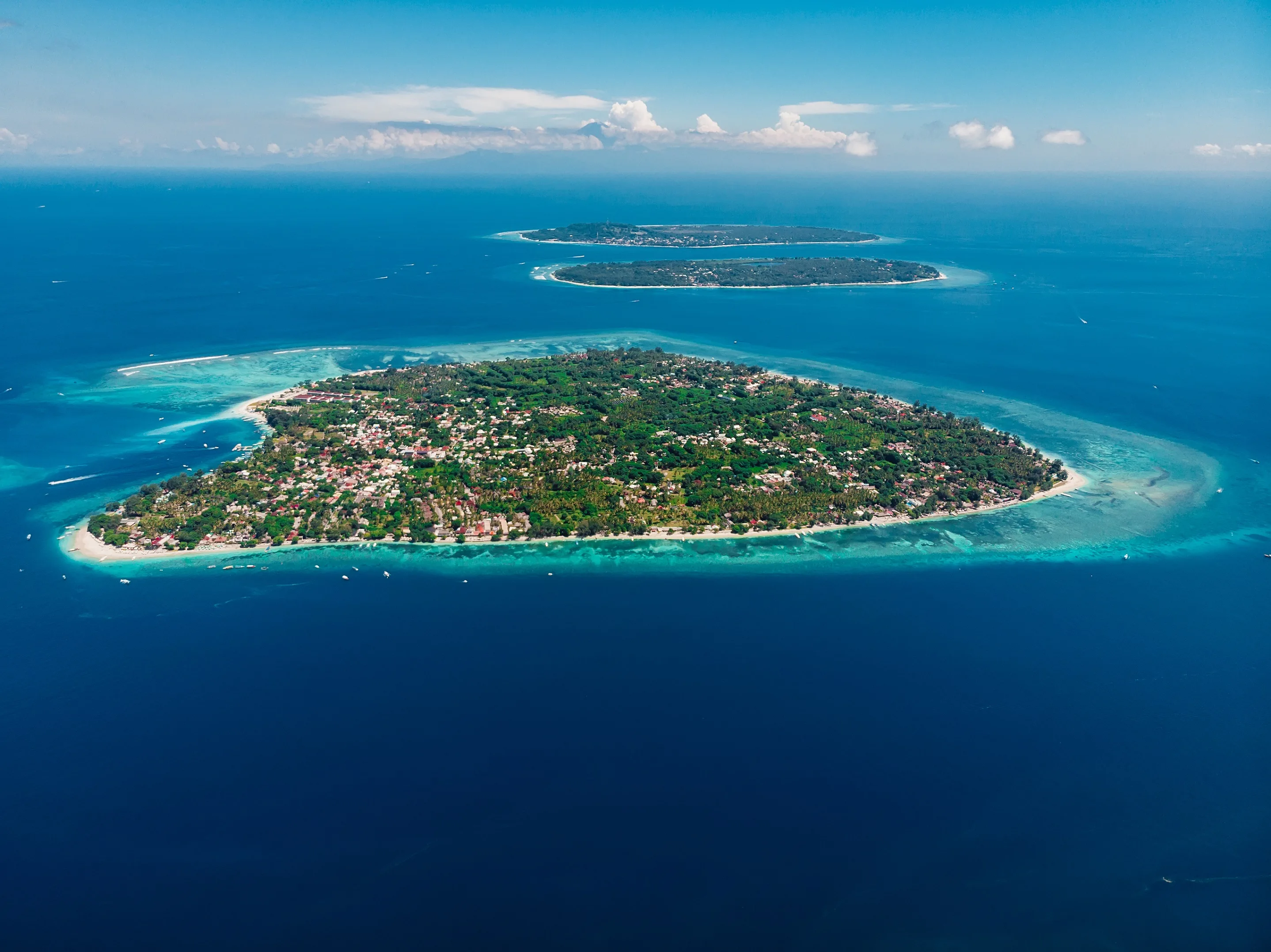
Understanding the Gili Islands: Your Tropical Escape Map
The Gili Islands, a trio of tiny coral-fringed paradises located off the northwest coast of Lombok, offer a distinct escape from the mainland chaos. For a first-time visitor, understanding the unique identity of each island is the foundational step in crafting your perfect itinerary. Gili Trawangan, or Gili T, is the vibrant hub known for its bustling nightlife, extensive dining options, and social atmosphere. Gili Meno, the smallest of the three, serves as the ultimate romantic retreat with its pristine beaches and quiet interior. Gili Air provides a balanced experience, blending local charm with modern comforts and a relaxed vibe that appeals to families and solo travelers alike.
Navigating these islands requires a shift in mindset, as motorized transport is strictly prohibited. You will find yourself relying on bicycles, cidomos (horse-drawn carriages), or simply walking to reach your destination. This lack of traffic is what preserves the islands' serene appeal, allowing for a slower pace of life that is increasingly rare in popular tourist destinations. Before you arrive, it is helpful to recognize that while they are often associated with Bali, they possess a character all their own, influenced heavily by their proximity to Lombok and the surrounding marine conservation areas.
Phase 1: Arrival and Settling into Gili Trawangan
- Book a fast boat from Padang Bai in Bali, ensuring you have a confirmed ticket for the morning departure to avoid afternoon swells.
- Upon arrival at the jetty, walk or take a cidomo to your accommodation, keeping in mind that prices are standard but negotiable for luggage.
- Check into your hotel or bungalow and take time to rent a bicycle, which will be your primary mode of transport for the next few days.
- Explore the main strip to familiarize yourself with the location of the night market, dive centers, and beach clubs.
- End your first day by finding a spot on the western side of the island to witness one of the most famous sunsets in Indonesia.
- Enjoy dinner at the local night market, where you can sample fresh grilled seafood and authentic Indonesian satay at very affordable prices.
Essential Tips for Your First Day
- Always keep your valuables in a secure hotel safe, as some beach bungalows have limited security features.
- Carry enough Indonesian Rupiah, as ATMs can sometimes run out of cash or experience technical failures on the islands.
- Stay hydrated by drinking bottled or filtered water, as the tap water on the islands is not suitable for consumption.
- Download a local offline map to help you navigate the sandy paths that connect the inner parts of the island.
- Respect the local culture by covering up when leaving the immediate beach areas to enter village or residential zones.
- Confirm your return boat schedule at least 24 hours in advance to avoid any last-minute logistical stress.
Comparative Snapshot of the Three Islands
| Feature | Gili Trawangan | Gili Meno | Gili Air |
|---|---|---|---|
| Vibe | Energetic/Social | Romantic/Quiet | Balanced/Chilled |
| Nightlife | High | Minimal | Moderate |
| Beaches | Busy/Popular | Pristine/Secluded | Scenic/Accessible |
| Infrastructure | Advanced | Basic | Good |
| Best For | Parties/Socializing | Couples/Honeymoons | Families/Couples |
Phase 2: Diving and Snorkeling Adventures
The Gili Islands are globally renowned for their incredible marine biodiversity, making underwater exploration a non-negotiable part of your itinerary. The waters are warm, clear, and teeming with life, ranging from vibrant coral reefs to the iconic sea turtles that call these islands home. Whether you are a certified diver or a casual snorkeler, the shallow shelf surrounding the islands offers something for every skill level. You can easily rent gear from any of the numerous dive shops lining the beaches or join a boat tour that visits the best spots around all three islands.
The true magic of the Gili Islands lies beneath the surface, where the lack of boat traffic and protected coral zones have allowed marine life to flourish in ways rarely seen in more developed tourist regions.
For those looking to get certified, the islands host some of the most reputable PADI dive centers in the region, offering competitive pricing and highly experienced instructors. If snorkeling is more your style, consider booking a private glass-bottom boat tour to visit the famous underwater statues near Gili Meno. These sculptures, designed by Jason deCaires Taylor, have become an artificial reef that attracts a variety of fish, providing a surreal and unforgettable snorkeling experience that you simply cannot miss during your stay.
Phase 3: Transitioning to Gili Meno for Peace
After the energy of Gili T, moving to Gili Meno feels like stepping into a different world. This phase of your trip is dedicated to slowing down, reading a book, and truly disconnecting from the digital world. The island is small enough to walk around entirely in about 90 minutes, making it perfect for those who want to avoid the hustle and bustle of motorized or crowded transit. Most visitors find that two days here is sufficient to recharge their batteries before moving on to their next destination or heading back to the mainland.
Activities for a Quiet Escape
- Visit the Meno Wall, a popular diving spot where you can often see turtles resting in the crevices of the coral structures.
- Take a slow walk around the salt lake in the center of the island, which is home to a unique ecosystem and various bird species.
- Enjoy long, uninterrupted beach walks during low tide when you can explore the exposed coral flats and tide pools.
- Book a private beach dinner for a romantic setting under the stars, away from the noise of tourist crowds.
- Practice yoga at one of the boutique retreats that offer open-air classes overlooking the ocean.
- Support local conservation efforts by visiting the turtle sanctuary, where you can learn about the efforts to protect hatchlings until they are ready for the sea.
Common Pitfalls for First-Time Visitors
One of the most frequent mistakes travelers make is underestimating the power of the sun and the strength of the current. Always wear reef-safe sunscreen and check with local experts about current conditions before swimming in deeper waters. Another common error is assuming that every beach is perfect for swimming; some areas have significant coral rubble that makes entering the water difficult without proper footwear. Do not be afraid to ask locals or hotel staff for advice on the best entry points for swimming and snorkeling on any given day.
Additionally, many first-timers arrive without enough cash, assuming that card payments are accepted everywhere. While larger hotels and upscale restaurants may accept credit cards, many small eateries, convenience stores, and tour operators operate on a cash-only basis. Planning your budget in advance and ensuring you have enough local currency will prevent unnecessary stress and allow you to fully enjoy your time without worrying about access to funds or ATM availability.
Acceleration Tips: Maximizing Your Island Time
If you have limited time, prioritize your interests rather than trying to cram everything into your schedule. If you love nightlife, spend more time on Gili T; if you crave peace, prioritize Gili Meno. Another way to accelerate your experience is to use the local island-hopping boats, which run regular schedules between the islands, allowing you to visit all three even if you only have a short stay. These boats are affordable and provide a quick way to experience the unique flavor of each island without needing to change hotels every night.
You might find it helpful to explore resources on the best Indonesian islands for first-time visitors to see how the Gilis compare to other destinations like Bali or the Nusa islands. Understanding the broader context of your trip can help you decide if you want to split your time between these islands and other parts of Indonesia. Always be flexible, as sea conditions can sometimes cause delays in boat schedules, and having a buffer day in your overall itinerary is a smart travel strategy for anyone visiting remote island locations.
Navigating the Local Culinary Scene
The food scene in the Gili Islands is a delightful mix of traditional Indonesian flavors and international influences. In Gili T, the night market is an essential stop for anyone wanting to taste authentic local dishes like nasi campur or freshly grilled fish caught that morning. For those who prefer a more relaxed environment, the beachfront cafes offer everything from smoothie bowls to wood-fired pizzas. Exploring these culinary options is a great way to engage with the local culture and meet other travelers in a casual, friendly setting.
Must-Try Local Dishes
- Nasi Goreng: The classic Indonesian fried rice served with a side of egg, crackers, and pickles.
- Gado-Gado: A traditional vegetable salad served with a rich and savory peanut sauce.
- Satay: Skewered meat grilled over charcoal, usually served with a spicy peanut or soy-based sauce.
- Fresh Coconut: Available everywhere, it is the most refreshing way to stay hydrated in the tropical heat.
- Ikan Bakar: Freshly grilled fish seasoned with local spices and served with steamed rice.
- Martabak: A sweet or savory stuffed pancake that makes for the perfect evening snack.
Maintenance and Sustainability: Respecting the Islands
As a visitor, you play a crucial role in maintaining the health of this delicate environment. The Gili Islands have made significant strides in sustainability, but they still face challenges related to waste management and water consumption. You can contribute positively by minimizing your use of single-use plastics, refusing plastic straws, and using refillable water bottles whenever possible. Many hotels now offer filtered water stations, so take advantage of these to reduce your plastic footprint during your stay.
Furthermore, be mindful of the coral reefs when snorkeling or diving. Avoid touching or standing on the coral, as even a small amount of damage can take years to recover. If you are interested in broader environmental efforts in the region, you can look into Bali alternatives for a quieter vacation, which often emphasize eco-friendly tourism practices. Being a conscious traveler not only helps the local ecosystem but also ensures that these beautiful islands remain pristine for future generations of visitors to enjoy.
Safety and Health Considerations for Travelers
Safety is generally high on the Gili Islands, but common sense should always prevail. Keep your belongings secure, especially when you are out at the beach or dining. In terms of health, the primary concern is often dehydration or minor stomach issues from consuming local water or undercooked food. Stick to reputable restaurants, drink plenty of water, and keep a basic first-aid kit with you. There are small medical clinics on the islands that can handle minor issues, but for anything serious, you may need to be transported back to Lombok or Bali.
It is also wise to have travel insurance that covers emergency medical evacuation, just in case of an unforeseen event. While the islands are safe, the remote nature of the location means that medical resources are limited. By taking basic precautions—such as staying hydrated, protecting yourself from the sun, and being aware of your surroundings—you can minimize risks and enjoy a worry-free vacation. Always check the latest travel advice from your government or the World Health Organization regarding health updates in the region before you depart.
Logistics: Getting to and From the Islands
- Book your fast boat tickets online in advance to ensure availability, especially during the peak season from June to September.
- Arrange for a transfer from your hotel in Bali to the harbor, as the morning departures are usually very early.
- Keep your luggage manageable, as you will need to carry it across the sand or handle it yourself on the boat.
- Upon arrival at the Gili jetty, be prepared to walk or hire a local horse carriage to reach your accommodation.
- When departing, arrive at the harbor at least 30 minutes before your scheduled boat time to check in and secure a good seat.
- If you are prone to seasickness, take medication before the boat ride, as the crossing can sometimes be choppy.
Why Choose the Gili Islands for Your First Trip?
The Gili Islands represent the perfect entry point for those new to Indonesian island travel. They offer a manageable size, a clear division of experiences, and a relatively straightforward logistics chain compared to more remote archipelagoes. Whether you are seeking a honeymoon destination, a solo adventure, or a family-friendly getaway, the combination of beach life, marine activity, and vibrant local culture makes them an ideal choice. Their proximity to both Bali and Lombok allows for easy integration into a larger travel plan, providing a versatile experience that caters to a wide range of budgets and travel styles.
By following this itinerary and keeping these tips in mind, you will be well-prepared to navigate the islands with confidence. Remember that the beauty of the Gili Islands is not just in the destination, but in the slow, deliberate pace of life that forces you to unplug and reconnect with yourself and your surroundings. Embrace the simplicity, respect the environment, and enjoy every moment of your first island adventure in this corner of the world.