
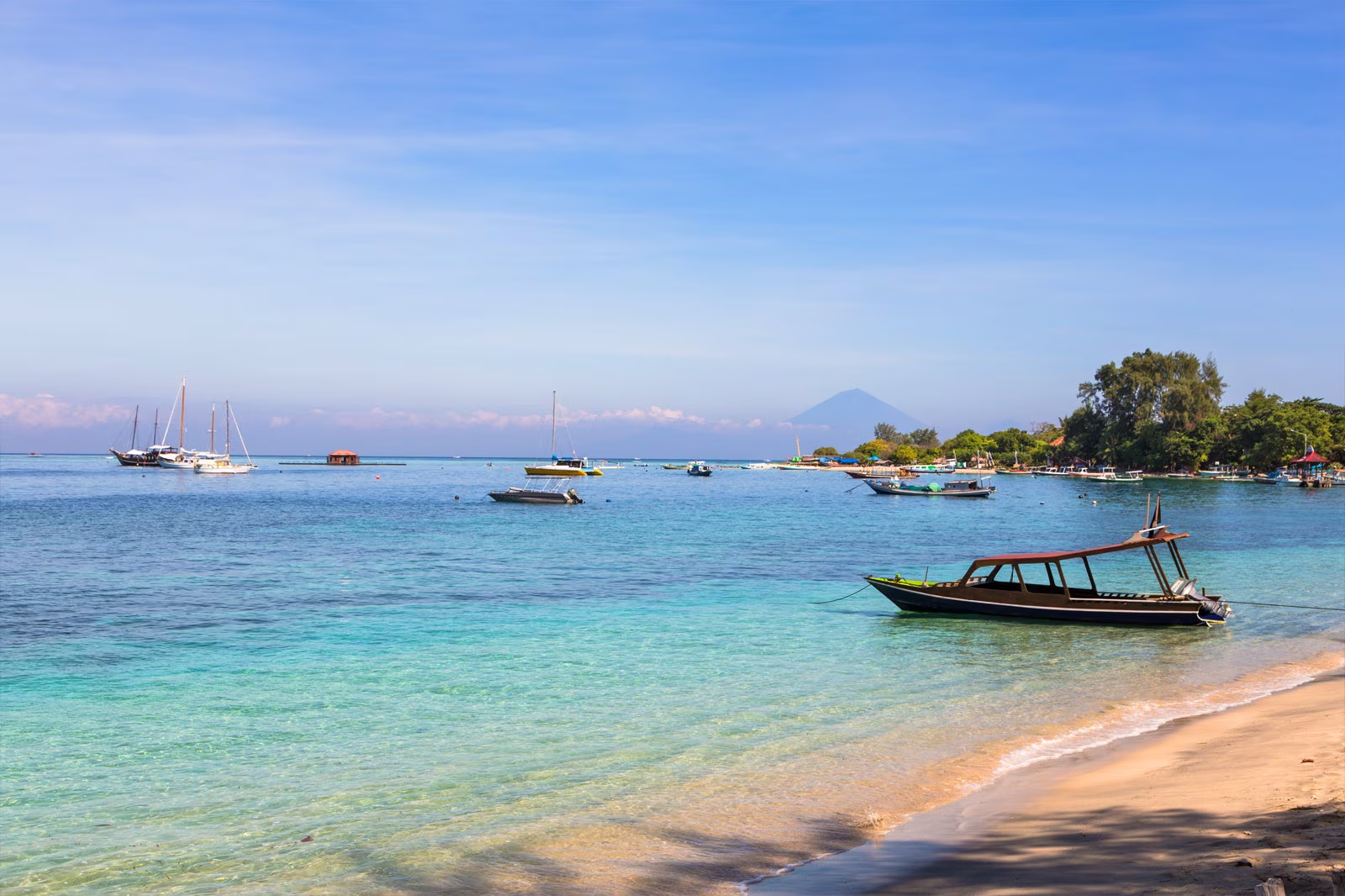
Understanding the Gili Islands Climate and Weather Patterns
Planning the ultimate tropical escape requires a solid understanding of local weather patterns, especially when your destination consists of three tiny islands off the coast of Lombok. The best time to visit the Gili Islands largely depends on whether you prefer guaranteed sunshine with heavy crowds or quieter, more unpredictable tropical days. Located in Indonesia, Gili Trawangan, Gili Meno, and Gili Air experience a tropical climate characterized by distinct dry and wet seasons that dictate everything from ferry schedules to underwater visibility.
Before booking your flights and island transfers, travelers must understand how seasonal shifts affect daily activities like snorkeling, scuba diving, and walking around the car-free sandy paths. While the sun shines brightly for a large portion of the year, sudden tropical downpours can completely alter an outdoor itinerary during specific months. By evaluating your personal travel style against historical climate data, you can strategically time your arrival to experience pristine white sand beaches and crystal-clear turquoise waters at their absolute peak.
Many visitors make the mistake of assuming tropical destinations offer identical weather year-round, leading to washed-out beach days and rough ocean crossings. To ensure your island getaway exceeds expectations, you should review comprehensive seasonal breakdowns, crowd forecasts, and practical packing strategies. According to climate reports compiled by the Indonesian Meteorological, Climatological, and Geophysical Agency, regional wind patterns heavily influence sea conditions between Bali and the Gilis.
Comparing Dry Season Versus Wet Season Conditions
Choosing the right month involves weighing the distinct advantages and disadvantages of Indonesia's two primary seasons. The dry season brings exceptional sunshine, while the wet season offers dramatic landscapes and lower accommodation prices.
| Season Metric | Dry Season (May to October) | Wet Season (November to April) |
|---|---|---|
| Average Rainfall | Low to minimal rainfall, mostly dry days | Frequent heavy downpours, high humidity |
| Sea Conditions | Calm waters, excellent visibility for diving | Choppy ocean crossings, reduced underwater clarity |
| Crowd Levels | Peak tourist influx, advanced booking required | Fewer tourists, peaceful atmosphere, empty beaches |
| Accommodation Costs | Highest rates of the year, firm pricing | Discounted rates, flexible walk-in deals |
Analyzing the Peak Dry Season Months of July and August
The absolute peak of the tourism calendar occurs during July and August, driven by European summer holidays and optimal weather conditions across the region. During these two months, daytime temperatures hover comfortably around 30 degrees Celsius, accompanied by refreshing ocean breezes that make exploring the islands on foot or bicycle a true pleasure. Scuba divers and snorkelers frequently report underwater visibility exceeding twenty meters, making it the premier window for spotting sea turtles and vibrant coral reef ecosystems just meters from the shore.
However, this prime meteorological window comes with significant operational trade-offs that every traveler must anticipate:
- Accommodation prices across all three Gili islands surge to their highest annual rates, often requiring bookings months in advance.
- Fast boat services from Bali operate at maximum capacity, occasionally leading to long queues at harbor terminals and crowded passenger cabins.
- Popular beachfront restaurants and beach clubs fill up quickly every evening, reducing opportunities for spontaneous dining.
- Bicycle rental stations experience high demand, meaning you might need to walk further to secure a reliable ride around the perimeter paths.
- Nightlife spots on Gili Trawangan buzz with energetic crowds, which is fantastic for solo travelers seeking social atmospheres but less ideal for families seeking quiet evenings.
- Popular snorkeling spots around the statues of Gili Meno can become congested with multiple tour boats simultaneously during midday hours.
- Local tour operators rarely offer promotional discounts or negotiation room for day trips because demand far exceeds available capacity.
Discovering the Shoulder Seasons in May, June, September, and October
For discerning travelers who want wonderful weather without battling massive tourist hordes, the shoulder months represent the sweet spot of island travel. Spanning May, June, September, and October, this transition period bridges the gap between the heavy rains and the frantic summer rush. During these months, the weather remains predominantly dry and sunny, yet the crowds thin out noticeably, giving the islands a much more relaxed, intimate island-village feel.
Executing a successful shoulder-season trip requires understanding specific logistical adjustments:
- Monitor regional weather forecasts closely during May and October to catch brief windows of high pressure before seasonal shifts occur.
- Secure your preferred beachside bungalow a few weeks in advance to take advantage of lower shoulder-season rates.
- Book morning fast boat departures from Bali, as afternoon sea breezes can occasionally pick up and create choppier waters later in the day.
- Rent bicycles immediately upon checking into your hotel so you can explore hidden coastal pathways before afternoon sun peaks.
- Coordinate with local dive centers to schedule morning reef dives when underwater visibility remains at its absolute daily peak.
- Explore alternative island options if you are seeking a complete break from mainstream tourism, referencing guides like Bali Alternatives for a Quieter Vacation: Peaceful Indonesian Islands to Explore for inspiration.
- Pack a lightweight rain jacket just in case an early tropical shower passes through during late October afternoons.
Navigating the Tropical Wet Season from November to April
Traveling to the Gili Islands during the wet season offers a completely different perspective of Indonesian island life, characterized by lush green foliage, dramatic cloud formations, and heavily discounted resort rates. While months like January and February experience the heaviest rainfall, it rarely rains continuously for 24 hours. Instead, visitors typically encounter intense, refreshing tropical downpours in the late afternoon or overnight, leaving the mornings clear and humid.
Diving and snorkeling enthusiasts should approach the wet season with tempered expectations regarding underwater visibility, as river runoff from neighboring Lombok can temporarily cloud coastal waters. On the positive side, marine life remains active, and coral reefs experience less stress from tourist foot traffic. For budget-conscious backpackers and slow travelers who can remain flexible with their daily schedules, the wet season provides a peaceful sanctuary away from the usual tourist hustle.
Evaluating Sea Crossings and Fast Boat Operations Year-Round
Getting to the Gili Islands requires crossing the Lombok Strait from Bali or taking a short public boat ride from mainland Lombok, making sea conditions a critical factor in your travel timing. During the dry season, ocean swells are generally mild, ensuring smooth and comfortable ferry rides. Conversely, the peak of the monsoon season in January and February frequently brings high winds and rough seas, which can cause harbor authorities to temporarily suspend fast boat departures for safety reasons.
To prevent travel disruptions caused by unpredictable marine weather, seasoned travelers follow a strict logistical framework:
- Always check official maritime advisories issued by port authorities before booking your fast boat tickets from Serangan or Padang Bai.
- Build a 24-hour buffer into your international flight itinerary to absorb potential ferry cancellations during rough weather months.
- Choose larger, reputable fast boat companies equipped with modern safety gear and experienced local captains.
- Keep electronic devices and passports inside waterproof dry bags during rough open-water crossings.
- Consider flying into Lombok International Airport and taking a short land transfer to Bangsal harbor as a stable alternative to long boat rides from Bali.
- Review comprehensive regional routes and timelines by consulting a specialized resource like the Gili Islands Itinerary for First Time Visitors: A Complete Island-Hopping Guide.
- Pack seasickness medication and take it thirty minutes before boarding if you are sensitive to ocean swells.
Planning Your Itinerary Around Island-Specific Vibes
Each of the three Gili Islands possesses a distinct personality that can influence your ideal travel month. Gili Trawangan is renowned for its vibrant social scene, beach parties, and extensive dining options, making it lively throughout the year. Gili Meno offers unmatched tranquility, secluded beaches, and a slower pace of life that shines brightest during the quiet shoulder months. Gili Air strikes a harmonious balance between the two, offering a charming local village atmosphere combined with cozy beach cafes and reliable snorkeling spots.
"Timing your island escape is not merely about avoiding rain; it is about matching your personal travel rhythm with the seasonal pulse of the archipelago."
When designing your multi-island journey, factor in how seasonal shifts impact each specific shore. For example, wind directions change between seasons, which means certain snorkeling beaches on Gili Air might experience calmer waters in July while others are better protected in December. Planning a well-rounded itinerary ensures you can adapt your daily exploration to whichever coast offers the most inviting conditions.
Avoiding Common Timing Mistakes Made by First-Time Visitors
Many travelers run into avoidable logistical issues simply by misjudging Indonesian holiday schedules and regional climate quirks. One frequent error is failing to check local holiday calendars, such as the Islamic Eid al-Fitr celebrations or the Hindu Nyepi holiday in Bali, which heavily impact domestic travel volume, ferry availability, and resort pricing across the entire region.
To ensure a seamless vacation experience, keep these crucial guidelines in mind:
- Do not rely entirely on generalized weather apps, as tropical forecasts often show daily rain icons even when the day features hours of continuous sunshine.
- Avoid booking tight flight-to-ferry connections during the wet season when afternoon storms frequently delay marine transport.
- Never assume walk-in accommodation will be readily available during July, August, or the Christmas and New Year holiday weeks.
- Do not pack excessive heavy clothing; lightweight, breathable fabrics are essential for surviving high coastal humidity year-round.
- Avoid scheduling scuba certification courses during peak wind months if you require crystal-clear visibility for your underwater training sessions.
- Do not skip travel insurance that covers marine transport delays and medical emergencies in remote island clinics.
- Never ignore local warnings regarding strong ocean currents around the outer reefs of Gili Meno and Gili Trawangan.
Maximizing Underwater Visibility and Marine Life Encounters
Snorkeling with green sea turtles and exploring vibrant coral gardens rank among the top motivations for visiting the Gili Islands. If your primary goal is underwater photography or spotting diverse marine species, timing your visit during the dry season months between May and September is essential. During this period, calm surface conditions and minimal runoff ensure maximum underwater clarity, allowing you to easily spot marine life from the surface or during guided scuba dives.
For travelers exploring broader regional marine sanctuaries beyond the immediate Gili archipelago, connecting your trip with other Indonesian gems can significantly enrich your holiday. Reviewing suggestions in Best Indonesian Islands for First-Time Visitors: A Complete Guide helps you design a multifaceted itinerary that highlights the country's most spectacular coastal and underwater ecosystems.
Budget Planning Across High, Shoulder, and Low Seasons
Financial planning plays a pivotal role in determining when you should pack your bags for the Gili Islands. Accommodation rates, boat transfers, and guided tour prices fluctuate dramatically based on tourism demand. During the peak dry season months, budget options disappear quickly, and remaining hotels command premium prices. Conversely, the wet season transforms the islands into a budget traveler's paradise, where luxury beachfront villas frequently drop their rates by fifty percent or more.
Evaluating your financial thresholds against seasonal pricing trends ensures you get maximum value from your travel investment. If you are traveling on a strict budget, targeting the shoulder months of May or October allows you to enjoy pleasant weather while still securing competitive rates on beach bungalows and island activities. On the other hand, if budget is not a constraint and you prioritize guaranteed sunshine, locking in your peak-season reservations well in advance is the wisest approach.
Essential Packing Checklist for Any Time of Year
No matter which month you select for your Gili Islands adventure, packing the right gear will keep you comfortable and prepared for tropical island conditions. Because motorized vehicles are banned on all three islands, your primary modes of transport are walking and bicycling, making sturdy footwear and lightweight apparel absolute necessities for daily exploration.
Prepare your luggage by checking off these essential items before departure:
- Reef-safe sunscreen to protect delicate coral reefs while snorkeling and swimming in shallow coastal waters.
- Lightweight, quick-drying clothing suitable for high humidity and warm tropical temperatures.
- A sturdy dry bag to safeguard your electronics and travel documents during boat transfers and sudden rain showers.
- Rechargeable headlamps or pocket flashlights for navigating unlit sandy pathways at night.
- A reusable water bottle to help reduce plastic waste across the islands and stay hydrated throughout the day.
- Basic personal first-aid supplies, including motion sickness tablets and reef-cut antiseptic creams.
- Cash in Indonesian Rupiah, as ATM machines on the smaller islands can occasionally run out of cash or experience power outages.
Cultural Calendar Considerations and Local Events
Beyond weather and climate, aligning your travel dates with local cultural celebrations can add an unforgettable layer of authenticity to your island experience. While the Gili Islands are predominantly Muslim (unlike Hindu-majority Bali), they participate in regional holiday observances and national events that shape the local rhythm of life. Understanding these cultural rhythms helps you appreciate the community heritage of the local Sasak people who call these islands home.
During major religious holidays such as Ramadan and Eid al-Fitr, domestic tourism spikes significantly as Indonesian families travel to coastal destinations for holiday breaks. While this creates a lively, festive atmosphere on the beaches, it also means that ferry terminals and popular restaurants experience heavier traffic than usual. Checking local event calendars before finalizing your travel dates ensures you can either join in the festive celebrations or intentionally schedule your trip during quieter calendar weeks.
Final Logistical Preparation and Booking Timeline
Once you have selected your ideal month based on weather, budget, and crowd preferences, executing a structured booking timeline ensures a stress-free journey. Travelers visiting during the peak dry season should secure their accommodations and fast boat tickets at least three to six months in advance. For those targeting the shoulder or wet seasons, a two-week window is generally sufficient, allowing for greater flexibility in your travel schedule.
Reviewing your complete itinerary, confirming transfer details with your hotel, and preparing your digital documents will set the stage for an incredible tropical getaway. Whether you are seeking vibrant nightlife on Gili Trawangan, peaceful seclusion on Gili Meno, or balanced charm on Gili Air, timing your visit correctly transforms a good vacation into an extraordinary island adventure.