
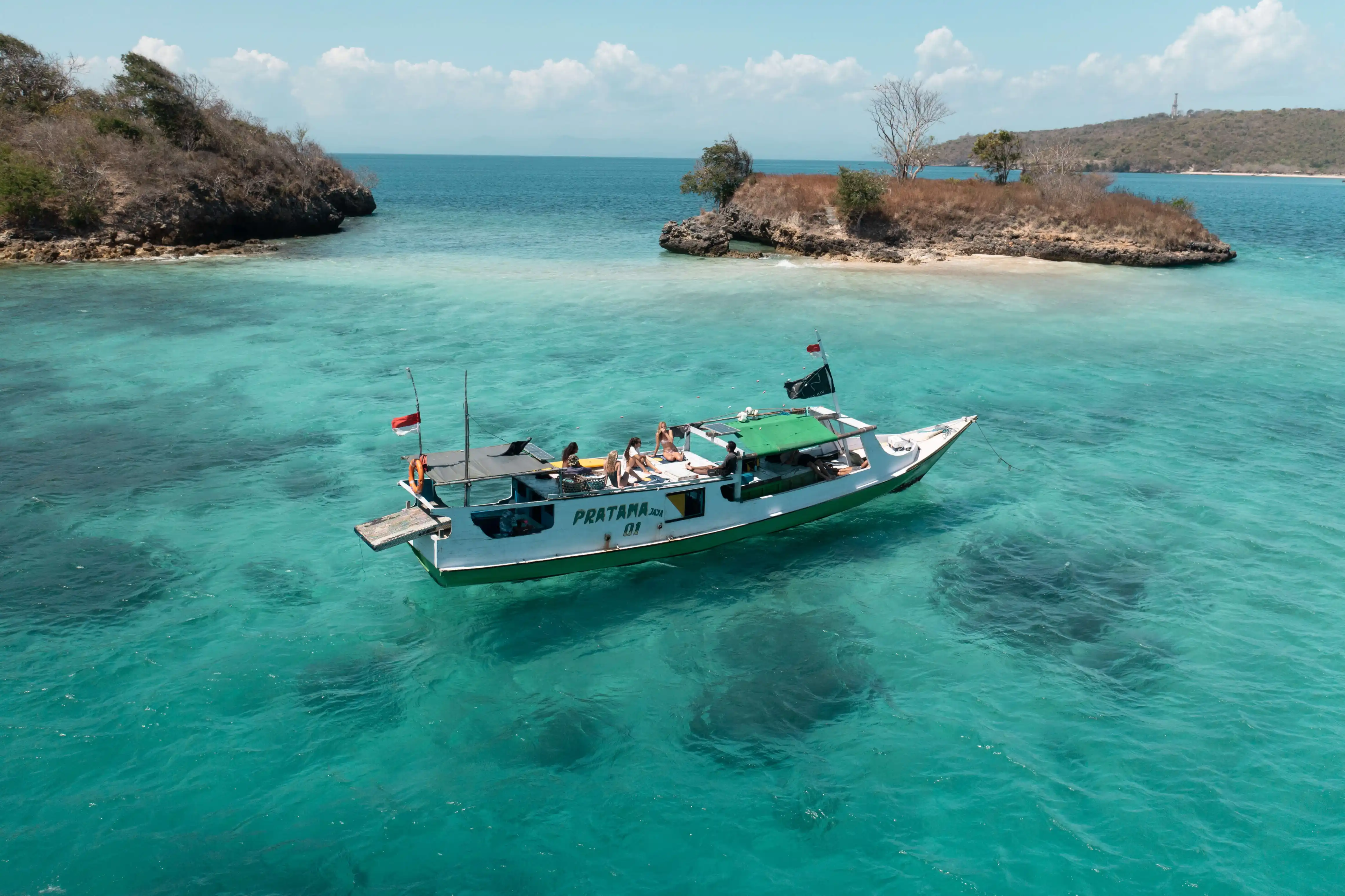
Why Travelers Are Seeking Bali Alternatives for Peace and Quiet
Bali remains one of the most mesmerizing destinations on earth, but its immense popularity has brought heavy traffic, crowded beaches, and a bustling nightlife that might not suit every traveler. If your dream vacation involves listening to the gentle ocean waves rather than motorized scooters whizzing by, looking for Bali alternatives for a quieter vacation is a smart move. Travelers yearning for authentic cultural immersion and untouched coastlines are increasingly looking eastward and westward across the Indonesian archipelago to find uncrowded sanctuaries.
Choosing an alternative island does not mean sacrificing beauty, comfort, or local hospitality. In fact, many lesser-known Indonesian islands offer crystal-clear waters, vibrant coral reefs, and lush landscapes that rival Bali's interior without the overwhelming tourist infrastructure. Whether you are a solo backpacker looking for solitude or a couple seeking a romantic hideaway, understanding your options helps you craft the ultimate peaceful itinerary.
Before packing your bags, it helps to map out what you want from your island escape. Do you prefer dramatic cliffs, world-class diving spots, or quiet villages where time seems to stand still? Let us explore the toolkit and framework required to plan a tranquil Indonesian getaway that skips the hustle and bustle entirely.
Essential Toolkit and Framework for Your Quiet Island Escape
Planning a trip to a remote or less-developed island requires a slightly different approach than booking a standard resort stay in Seminyak or Ubud. Because infrastructure can be limited, having the right gear, digital resources, and logistical mindset ensures a smooth journey from start to finish. When you bypass the tourist trail, self-reliance and proper preparation become your best travel companions.
Core Logistics and Preparation Checklist
- Secure reliable offline translation apps to communicate effectively with locals in remote villages.
- Book ferry or fast-boat tickets in advance through reputable regional operators to avoid last-minute hassle.
- Pack a durable waterproof dry bag to protect your electronics during potentially wet boat transfers.
- Carry sufficient Indonesian Rupiah in cash, as ATM availability on smaller islands is notoriously unpredictable.
- Download offline regional maps on your smartphone before arriving due to spotty mobile data coverage.
- Bring a comprehensive first-aid kit containing basic medications, insect repellent, and reef-safe sunscreen.
- Research regional weather patterns to choose the optimal dry season months for your chosen island.
- Confirm accommodation details directly with local guesthouse hosts regarding port pick-up services.
- Prepare lightweight, conservative clothing suitable for visiting sacred local temples and traditional villages.
- Organize comprehensive travel insurance that explicitly covers remote medical evacuation if needed.
Lombok: The Classic Neighbor with Dramatic Landscapes
Located just east of Bali, Lombok is often the first and most logical stepping stone for travelers wanting a similar tropical environment with a fraction of the population density. Dominated by the majestic Mount Rinjani, Lombok offers dramatic volcanic scenery, sprawling agricultural valleys, and pristine surfing beaches along its southern coastline. While towns like Kuta Lombok have grown, they still maintain a laid-back, bohemian surf-town atmosphere compared to their famous Balinese counterpart.
The island is large and diverse, allowing visitors to easily escape into nature. You can trek through dense jungle waterfalls in the northern foothills or lounge on empty white-sand beaches where you will not encounter another soul for miles. For more insights on regional escapes, check out this guide on finding your perfect Indonesian escape for a detailed regional breakdown.
The Gili Islands Breakdown: Choosing Your Speed
While Gili Trawangan is famous for its vibrant nightlife, its sister islands offer a starkly different experience. Gili Meno, in particular, is the epitome of a quiet tropical retreat. Motorized vehicles are entirely banned across all three Gilis, meaning your daily soundtrack consists only of bicycle bells, horse-drawn carts, and the rustling of palm leaves in the sea breeze.
Steps to Enjoying a Quiet Stay on Gili Meno
- Take a public wooden boat or private outrigger from Lombok's Bangsal harbor directly to Gili Meno.
- Check into a beachfront eco-bungalow situated far away from the island's small jetty area.
- Rent a bicycle on your first morning to circumnavigate the quiet sandy paths around the island.
- Rent snorkeling gear and swim straight off the western shore to spot sea turtles grazing on coral reefs.
- Dine at a candlelit beachside warung serving locally caught seafood under the stars.
- Disconnect from social media for the afternoon and read a book in a hammock beneath the palms.
- Watch a breathtaking sunset facing Bali's towering Mount Agung across the sparkling strait.
Nusa Penida vs. Lesser-Known Nusa Lembongan and Ceningan
Many travelers flock to Nusa Penida for its iconic Instagram viewpoints like Kelingking Beach, but this has created significant traffic congestion on its narrow roads. If you want the dramatic limestone cliffs of the Nusa islands without the bumper-to-bumper scooter tours, consider staying on neighboring Nusa Lembongan or Nusa Ceningan instead.
These smaller islands offer a much slower pace of life, particularly in the late afternoons when the day-tripper boats depart back to Bali. You can cross the iconic yellow suspension bridge connecting Lembongan and Ceningan on foot or by bicycle to explore hidden cliffside cafes and peaceful seaweed-farming villages.
Comparing Top Quiet Indonesian Island Options
When selecting your ideal destination, evaluating each island based on accessibility, crowd level, and primary attractions helps clarify your choice. The matrix below highlights key factors for each major alternative.
| Island Name | Crowd Level | Vibe & Activity | Best For |
|---|---|---|---|
| Gili Meno | Very Low | Car-free, romantic, beach lounging | Couples & honeymooners |
| Nusa Lembongan | Moderate | Surfing, diving, relaxed coastal village | Surfers & families |
| Lombok (South) | Low-Moderate | Surf breaks, sweeping hills, wide bays | Adventure seekers |
| Karimunjawa | Very Low | Remote archipelago, pristine reefs | Off-the-beaten-path explorers |
Nusa Lembongan Daily Exploration Workflow
Establishing a structured daily rhythm helps you maximize relaxation while uncovering hidden gems on a quieter island like Nusa Lembongan. Avoid over-planning and leave room for spontaneous discoveries along coastal paths.
- Wake up early to catch the quiet sunrise over Mount Agung from the Mangrove Point viewpoint.
- Enjoy a fresh tropical fruit bowl and local coffee at a small family-run cafe near Dream Beach.
- Embark on a morning snorkeling boat tour to encounter manta rays in protected cleaning stations.
- Return inland for a relaxing traditional Balinese massage at a shaded garden spa.
- Spend the late afternoon exploring the underground labyrinth of the subterranean Goa Gala Gala house.
- Walk across the Yellow Bridge to Nusa Ceningan just in time to watch the sunset from the cliffs.
Karimunjawa: The Ultimate Off-the-Beaten-Path Archipelago
For travelers willing to venture truly off the beaten path, the Karimunjawa archipelago in the Java Sea offers an untouched marine paradise. Consisting of 27 islands—most of which are completely uninhabited—this marine national park boasts powdery white sand beaches and crystal-clear turquoise waters that rival any destination in Southeast Asia.
Tourism here is still in its infancy, meaning you will not find luxury mega-resorts or bustling beach clubs. Instead, you experience authentic island life staying with friendly local families in homestays or boutique eco-lodges. As noted in expert travel guides on peaceful Indonesian getaways, visiting these lesser-known archipelagos requires patience with ferry schedules, but the reward is absolute tranquility.
Common Pitfalls When Visiting Remote Indonesian Islands
Venturing away from major tourist hubs comes with unique logistical challenges that can catch unprepared travelers off guard. Recognizing these common mistakes ensures your vacation remains relaxing rather than stressful.
Mistakes to Avoid on Quiet Islands
- Assuming credit cards are widely accepted at local restaurants, convenience stores, and homestays.
- Failing to check seasonal sea conditions, which can unexpectedly delay public ferry crossings for days.
- Renting a scooter without wearing a proper helmet or lacking confidence on unpaved, potholed roads.
- Disrespecting local religious customs by wearing inappropriate swimwear away from the immediate beach.
- Overlooking the importance of securing mosquito nets and reliable insect protection after dusk.
- Booking tight flight connections immediately after returning from a remote outer island.
Cultural Etiquette and Sustainable Tourism Practices
When you visit quieter, less commercialized islands, you enter communities where traditional lifestyles remain strong and modern waste management is often limited. Being a respectful guest preserves the pristine nature and warm hospitality of these destinations for future generations.
"Traveling off the beaten path is a privilege that demands mindfulness. Respecting local traditions and minimizing plastic waste ensures that serene island sanctuaries retain their untouched magic."
Always ask permission before photographing local residents or participating in traditional community events. Furthermore, carry a reusable water bottle and shopping bag to minimize single-use plastics, as remote islands often struggle to process imported waste efficiently.
Navigating Transport and Connectivity Challenges
Getting around minor islands often relies on walking, renting a bicycle, or hiring a local driver with an open-air truck. Public transport schedules can be fluid, shifting according to local tides, weather conditions, or community gatherings.
Embrace the slower pace by treating travel delays as part of the authentic adventure. Keep digital entertainment downloaded in advance, and use connectivity downtimes as a welcome opportunity to disconnect from digital distractions and immerse yourself in your natural surroundings.
Budgeting and Financial Planning for Isolated Escapes
Traveling to quieter islands can actually be more budget-friendly regarding daily living expenses, but transportation costs to reach remote locations may be higher. Accommodation ranges from rustic family homestays to exclusive eco-resorts, giving you flexible options depending on your financial comfort level.
Always budget a financial buffer for unexpected overnight stays caused by sudden sea storms or canceled boat departures. Having extra cash reserves prevents unnecessary panic when island weather alters your meticulous schedule.
Crafting Your Ideal Itinerary Duration
Determining how long to stay on each island depends heavily on your travel style and tolerance for slower pacing. Rushing through three different remote islands in a single week leads to burnout rather than relaxation.
It is far more rewarding to select one or two quiet islands and spend at least four to five days on each. This allows you to settle into the rhythms of local life, discover hidden coves, and truly unwind without constantly packing and unpacking your luggage.
Final Practical Steps Before Embarking
Review your packing list, verify your ferry bookings, and double-check your accommodation contact details before setting off. Approach your journey with flexibility, an open mind, and a deep appreciation for quiet island life.
- Confirm all boat transfers and accommodation bookings 48 hours prior to departure.
- Secure adequate cash withdrawals from major mainland ATMs before heading to remote ports.
- Pack light breathable layers, reef shoes, and plenty of eco-friendly insect repellent.
- Embrace the unexpected twists in island schedules with patience and a positive attitude.