
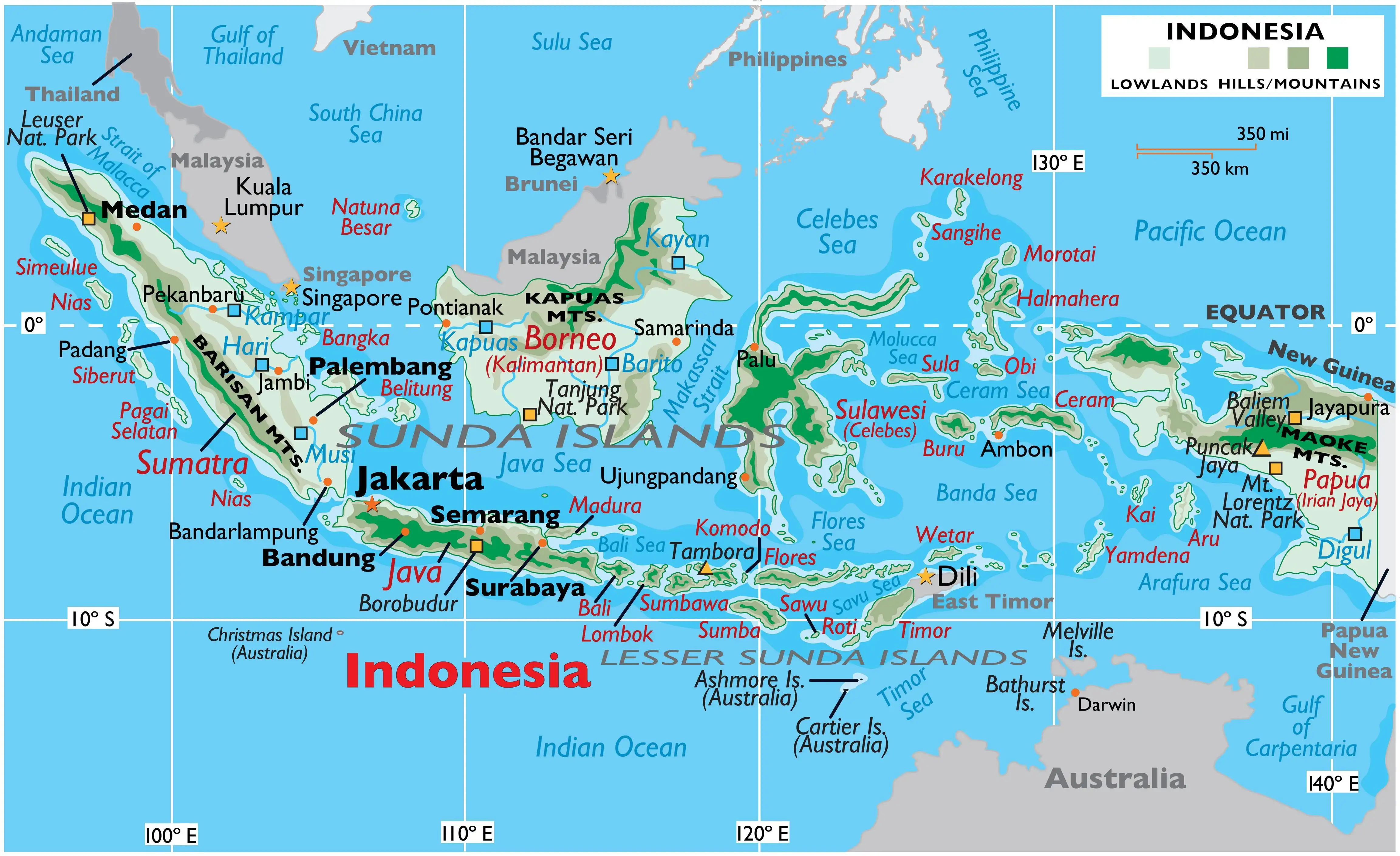
Learning how to travel between Indonesian islands opens the door to thousands of tropical destinations across an archipelago spanning thousands of kilometers. Navigating this vast maritime nation requires careful planning, reliable schedules, and a realistic understanding of local transit options.
For many travelers, the transition from chaotic land travel to seamless island hopping feels overwhelming at first. This guide transforms your island-hopping experience from a stressful logistical puzzle into an organized, rewarding adventure.
The Chaos of Unplanned Island Hopping: Before the Transformation
Before adopting a structured inter-island itinerary, most travelers experience severe logistical friction. Without a clear plan, you face missed connections, stranded port days, and unexpected expenses that drain your budget.
- Arriving at busy ferry ports without pre-booked tickets during peak holiday seasons.
- Failing to check regional weather patterns, leading to sudden multi-day ferry cancellations.
- Underestimating the sheer transit time required to cross open seas between major island groups.
- Carrying excessive luggage that becomes impossible to manage on small traditional wooden boats.
- Ignoring local holiday schedules like Eid al-Fitr when domestic travel demand skyrockets.
These chaotic symptoms often result in canceled hotel nights, lost non-refundable deposits, and immense travel fatigue. Reviewing a baseline metric comparison helps illustrate the difference between unorganized and structured island travel.
| Metric | Unplanned Travel | Structured Itinerary |
|---|---|---|
| Average Transit Delays | 8 to 24 hours | 1 to 2 hours |
| Missed Connections Rate | 45 percent | Under 5 percent |
| Budget Overrun | 30 to 50 percent | Within 5 percent |
| Stress Level (1-10) | 9 out of 10 | 3 out of 10 |
Step-by-Step Intervention Plan for Smooth Inter-Island Transit
Taking control of your Indonesian island journey requires a systematic approach to booking, routing, and timing. Follow this structured sequence to build a reliable transit framework.
- Map out your primary island destinations on a physical or digital map to identify natural transit clusters.
- Research major regional transport hubs such as Bali, Lombok, Flores, and Sulawesi before booking international flights.
- Compare transport modes for each specific leg, balancing cost, safety ratings, and time constraints.
- Book high-speed ferry or domestic flight tickets at least two to four weeks in advance during dry season peaks.
- Build a 24-hour buffer day into your itinerary before catching any strict international departure flights.
- Confirm schedules directly with local operators or official transport portals 48 hours prior to departure.
- Pack lightweight, waterproof gear that easily fits onto smaller regional vessels without incurring heavy baggage fees.
- Download offline translation apps and maritime weather tracking tools to monitor real-time sea conditions.
Critical Watchouts During Your Island Transitions
While executing your transit plan, certain operational hazards require constant vigilance. Being aware of these pitfalls keeps your journey safe and on schedule.
- Sudden tropical storms can ground fast boats instantly, particularly in the rough waters of the Lombok Strait.
- Many smaller rural islands lack functional ATM networks, making cash reserves an absolute necessity.
- Port tax fees and regional conservation charges are often payable in cash only upon arrival.
- Ferry operators sometimes alter departure times based on local tide tables rather than published schedules.
- Scam ticket vendors outside major ports frequently sell invalid passes at inflated tourist prices.
- Life jacket availability on budget local wooden boats can be sparse; consider packing your own compact safety gear.
The Post-Transformation State: Metrics of Successful Island Travel
Once you implement a methodical approach to inter-island travel, your overall experience changes dramatically. You move from reactive panic to proactive exploration, unlocking hidden gems without logistical friction.
| Achieved Metric | Previous State | New State |
| On-Time Arrival Rate | 50 percent | 92 percent |
| Extra Hidden Costs | Frequent | Rare/Zero |
| Destinations Reached | 2 to 3 islands | 5 to 7 islands |
| Overall Enjoyment Score | Low | High |
Side-by-Side Comparison of Indonesian Island Transport Modes
Choosing the right vehicle for each ocean crossing dictates your comfort and budget. Every option carries distinct advantages depending on the distance and your timeline.
| Transport Mode | Best Used For | Average Speed | Cost Range | Reliability |
|---|---|---|---|---|
| Public Ferry (PELNI) | Long inter-island hauls | Slow (12-15 knots) | Budget | Moderate |
| Fast Boat | Short island hops (Bali-Gili) | Fast (25-30 knots) | Mid-range | Weather-dependent |
| Domestic Flight | Cross-archipelago leaps | Very Fast | Higher | High |
| Local Wooden Boat | Remote island day trips | Slow | Low | Variable |
Evaluating your travel style against these options ensures you never commit to an eight-hour wooden boat ride when a quick flight is available.
How to Measure Your Own Before and After Transformation
To ensure your island-hopping strategy actually improves, evaluate your travel metrics after every major trip segment.
- Calculate your total transit expenditure against your initial budget spreadsheet to track financial discipline.
- Record the exact duration of each journey and compare it against your estimated planning time.
- Assess your stress levels after each port arrival using a simple journal reflection.
- Audit your luggage weight and remove items that caused physical strain during port transfers.
- Review how many buffer days you actually utilized versus how many were wasted sitting idle.
Understanding PELNI Ferries for Long-Distance Voyages
State-owned PELNI passenger ships form the backbone of long-distance maritime transport across the Indonesian archipelago. These massive vessels connect major hubs like Java, Sulawesi, Kalimantan, and Papua reliably.
- PELNI ships offer multiple cabin classes ranging from shared economic bunks to private air-conditioned rooms.
- Onboard cafeterias serve basic Indonesian meals, but bringing your own snacks and bottled water is recommended.
- Schedules run on multi-week loops, meaning delays at earlier ports accumulate as the voyage progresses.
- Booking tickets requires visiting official PELNI branch offices or using authorized domestic booking apps.
- Luggage allowances are generous compared to budget airlines, making them ideal for heavy travelers.
- Medical facilities onboard are minimal, so carry a personal first-aid kit with seasickness medication.
Navigating Fast Boats for Short Ocean Crossings
Fast boats are the preferred choice for tourists crossing the narrow straits between Bali, Nusa Penida, and the Gili Islands. These fiberglass vessels equipped with powerful outboard engines cut travel times significantly.
- Departures usually concentrate in the morning hours when sea conditions remain relatively calm. Most operators include complimentary hotel pickup and drop-off within popular tourist zones.
- Seasickness is common due to rolling ocean swells; take preventive medication thirty minutes before boarding.
- Boarding often involves wading through shallow shore water, so wear quick-drying shorts and sandals.
- Safety standards have improved substantially, but always verify that life rafts match passenger counts.
- Always secure your return ticket in advance, especially during the peak European summer holiday months.
Utilizing Domestic Aviation for Archipelago Leaps
When crossing between major island groups such as Java to Flores or Sumatra to Sulawesi, domestic flights save days of grueling transit time.
- Airlines like Garuda Indonesia, Lion Air, and Citilink operate extensive networks across the country.
- Booking well in advance secures lower fares and avoids last-minute holiday price surges.
- Baggage limits on regional turboprop aircraft serving smaller islands are often strictly capped at 10 or 15 kilograms.
- Flight cancellations due to volcanic ash activity or heavy seasonal rainstorms happen occasionally.
- Check-in counters at remote regional airports close strictly forty minutes before scheduled departure times.
- Connecting flights between different airline alliances require generous layover times to collect and re-check bags.
Mastering Indonesian inter-island transport is less about rigid adherence to timetables and more about maintaining the flexibility to embrace maritime reality.
Essential Packing Strategies for Island-Hopping Success
Carrying the correct gear directly influences how smoothly you transition between ferries, speedboats, and sandy shores.
- Pack all sensitive electronics inside certified waterproof dry bags to protect against ocean spray and heavy rain.
- Choose lightweight backpacks or duffels over rigid wheeled suitcases that struggle on unpaved island roads.
- Bring a dedicated pouch for cash, passport, and physical tickets to keep them accessible during port checks.
- Include reef-safe sunscreen, insect repellent, and a lightweight microfiber towel for impromptu beach stops.
- Wear comfortable footwear that slips on and off easily during boarding procedures at busy jetties.
Decoding Regional Weather Patterns and Sea Conditions
Understanding monsoon cycles and seasonal wind shifts is vital for anyone planning a safe passage through Indonesian waters.
- The western dry season runs from May to September, offering the calmest seas for western island regions.
- Eastern Indonesian waters around Maluku and Papua experience peak rough seas from December to March.
- Always consult the official BMKG (Meteorology, Climatology, and Geophysical Agency) reports before setting sail.
- Local captains possess invaluable generational knowledge regarding sea states; never pressure them to sail if they advise against it.
- Flexible itineraries allow you to swap island destinations dynamically when sudden bad weather strikes.
Avoiding Common Tourist Pitfalls at Remote Ports
Navigating rural harbors requires street smarts to prevent common travel scams and administrative headaches.
- Ignore unofficial porters who aggressively grab your luggage without asking; always agree on a price first.
- Keep your passport and transit documents in a secure money belt rather than an exterior pocket.
- Verify that your taxi or transport driver uses a working meter or agrees on a fixed fare upfront.
- Beware of fake ticket booths located outside official port terminal gates; purchase inside or online.
- Respect local religious and cultural customs, especially when arriving in conservative coastal communities.
Creating Your Ultimate Island-Hopping Itinerary Blueprint
Bringing all these transport elements together creates a bulletproof itinerary that maximizes enjoyment while minimizing transit stress.
- Establish your start and end points within major aviation hubs like Jakarta or Denpasar.
- Allocate at least three to four nights per island to avoid spending your entire vacation in transit.
- Pair fast boat routes with short-distance stays and reserve domestic flights for massive geographical leaps.
- Schedule mandatory rest days every week to recover from early morning ferry departures and active travel.
- Maintain a digital backup of all bookings, insurance policies, and emergency contact numbers in cloud storage.