
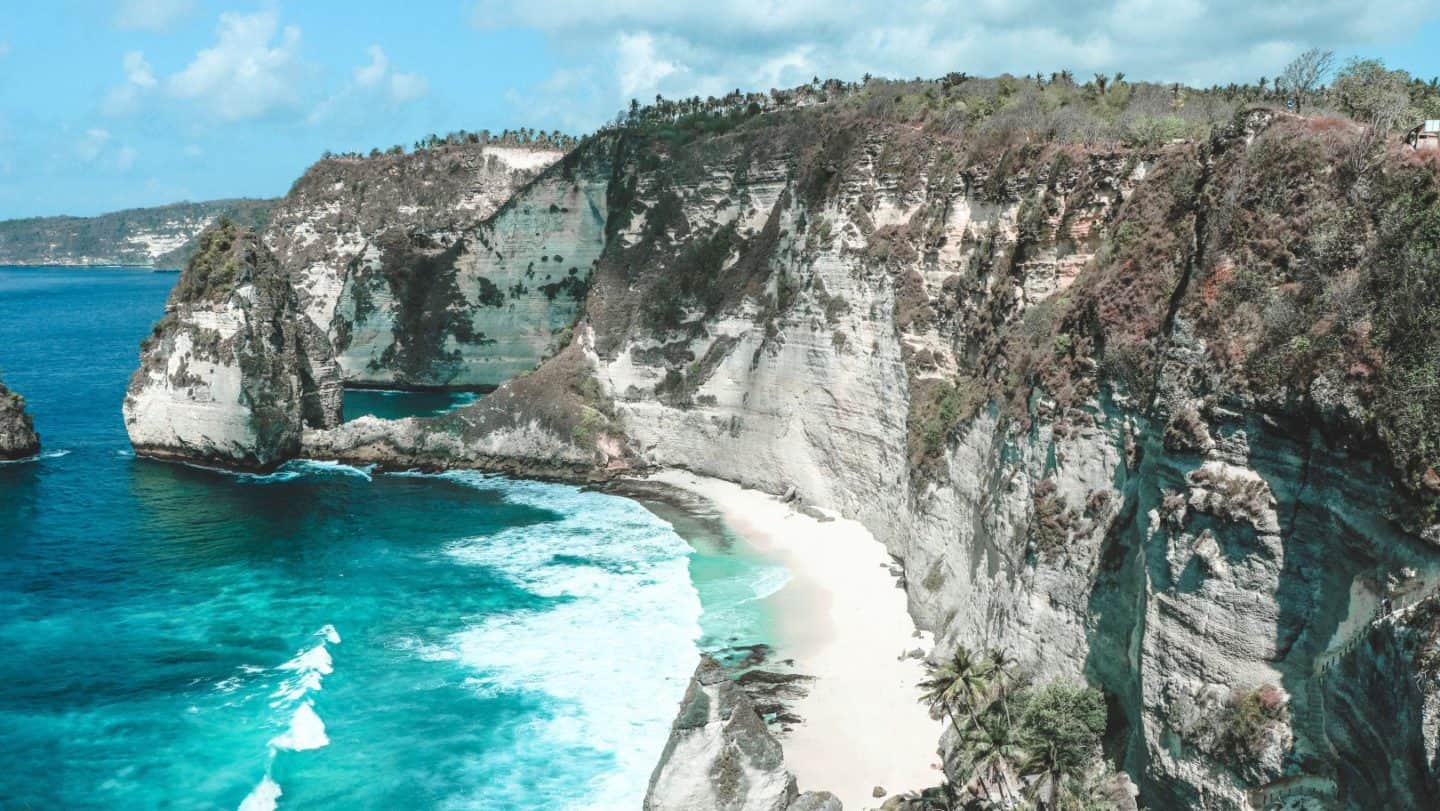
Stepping off the speedboat onto the shores of the Nusa Islands feels like entering another dimension. While mainland Bali hums with continuous energy, this trio of offshore islands—Nusa Penida, Nusa Lembongan, and Nusa Ceningan—offers a raw, unfiltered escape characterized by towering limestone cliffs, turquoise waters, and a slower pace of life. Crafting the perfect Nusa islands itinerary 4 days is all about balancing the rugged, adventurous demands of Penida with the laid-back, sun-drenched tranquility of Lembongan and Ceningan.
Many travelers make the mistake of visiting these islands on a rushed day trip, only to spend their hours stuck in traffic or melting under the midday sun alongside hundreds of other tourists. If you are tight on time, you might consider planning the ultimate 3-day island getaway near Bali, but extending your trip to four days allows a much more relaxed pace. This guide provides a comprehensive, field-tested blueprint to maximize your four-day journey, ensuring you experience the iconic sights and hidden corners of these spectacular islands without burning out.
Deconstructing the Nusa Islands Travel Stack
To successfully navigate this archipelago, you must think of your trip as a stacked system where logistics, accommodation, and geography build upon one another. The three islands are physically close but vastly different in infrastructure. Nusa Penida is the largest, presenting dramatic landscapes but challenging roads. Nusa Lembongan is smaller, flatter, and more developed, while Nusa Ceningan is a tiny capsule connected to Lembongan by a narrow bridge. Understanding this hierarchy is the first step to a seamless vacation.
By treating your itinerary as a structured flow, you can avoid the common mistake of backtracking or spending half your day waiting for boats. We recommend dedicating your first two days to the wild terrains of Nusa Penida, before transitioning to the calmer waters and easier roads of Nusa Lembongan and Nusa Ceningan for the final two days. This natural progression takes you from high-energy exploration to deep tropical relaxation.
How to Master the Core Transport Layer
Why transport dictates your daily tempo
Your transport choices are the single most important variable in your Nusa islands itinerary. Unlike mainland Bali, there are no ride-hailing apps like Grab or Gojek active on these islands. You are entirely dependent on local drivers, scooter rentals, or your own two feet.
- Speedboat Tickets: Always book your round-trip speedboat tickets from Sanur to Nusa Penida (and Lembongan back to Sanur) in advance to secure morning departure times.
- Scooter Rentals: Scooters are readily available at all island ports, but they require confident driving skills due to steep hills and gravel paths.
- Private Drivers: For Nusa Penida, hiring a private car with a local driver is highly recommended for safety and air-conditioned comfort.
- Public Boats: Small wooden boats run regularly between Toyapakeh (Penida) and Jungutbatu (Lembongan) for quick inter-island transfers.
- Arrive at Sanur Harbor at least 45 minutes before your scheduled speedboat departure.
- Wear shorts and sandals, as you will likely have to wade through knee-deep water to board the boat.
- Upon arrival at Toyapakeh harbor in Nusa Penida, negotiate your scooter rental or meet your pre-booked private driver immediately.
- Inspect your scooter thoroughly—test the brakes, check the tire tread, and ensure you are provided with a secure helmet.
- Keep your main luggage light; consider leaving large suitcases at your mainland hotel and traveling with a backpack.
Accommodation Base Camps: Where to Anchor Your Luggage
Choosing your strategic overnight hubs
Where you sleep determines how early you must wake up to beat the crowds. Splitting your accommodation between Nusa Penida and Nusa Lembongan is the most efficient strategy for a four-day stay.
- Nusa Penida (Nights 1 & 2): Stay on the north or west coast (near Crystal Bay or Toyapakeh) for easy access to restaurants and sunset views.
- Nusa Lembongan (Night 3): Choose a beachside bungalow along Jungutbatu Beach or Mushroom Bay for easy walking access to dining and boat transfers.
- Eco-Lodges and Homestays: Opt for locally run guesthouses to enjoy authentic hospitality and valuable insider travel tips.
- Book a cliffside bungalow in Nusa Penida for your first two nights to stay close to the dramatic west and east coast trailheads.
- Drop your bags off immediately after landing so you can explore the rugged terrain unencumbered.
- On Day 3, check out early and take the 15-minute public boat over to Nusa Lembongan.
- Establish your second base camp near Jungutbatu Beach, allowing you to walk to beachfront cafes in the evening.
The Packing Toolkit: Essential Gear for Rugged Coasts
Preparing for unpaved terrain and aquatic excursions
The Nusa Islands demand more physical effort than a standard beach vacation. You will be climbing steep, hand-carved stone steps and walking on sharp volcanic rock, making your packing list a critical factor in your comfort.
- Sturdy Footwear: Pack trail-running shoes or high-traction sandals; flip-flops are dangerous for cliff descents like Kelingking.
- Dry Bag: A 10L to 20L dry bag is essential to protect your camera gear and phone during boat transfers and snorkeling trips.
- Reef-Safe Sunscreen: Protect the delicate marine ecosystems of Manta Point by avoiding chemical-heavy sunscreens.
- Cash is King: ATMs frequently run out of cash or lose power on the islands; carry enough Indonesian Rupiah to cover meals, rentals, and entry fees.
- Pack a lightweight, breathable daypack with a reusable water bottle and a quick-dry travel towel.
- Ensure your phone is fully charged and download offline maps of all three islands via Google Maps.
- Keep a small first-aid kit containing antiseptic wipes, band-aids, and motion sickness medication for the boat rides.
Comparing the Nusa Island Infrastructure Components
Before diving into the day-by-day itinerary, it is helpful to understand how the three islands compare across key travel metrics. This comparison will help you set realistic expectations for your daily journeys.
| Island | Primary Vibe | Road Conditions | Top Highlight | Recommended Stay |
|---|---|---|---|---|
| Nusa Penida | Dramatic & Wild | Challenging / Unpaved in parts | Kelingking T-Rex Cliff | 2 Nights (Start of trip) |
| Nusa Lembongan | Laid-back & Cozy | Paved / Narrow | Devil's Tear & Mangroves | 1 Night (Mid-trip) |
| Nusa Ceningan | Bohemian & Tiny | Narrow paths / Scooter only | Blue Lagoon | Day Trip / Quick Explore |
Assembling Your 4-Day Nusa Islands Itinerary Integration
This sequential integration plan is designed to minimize travel time and maximize your exposure to the best sights. By following this day-by-day structure, you will experience the perfect blend of high-adrenaline sightseeing and peaceful relaxation.
- Day 1: Morning departure from Sanur to Nusa Penida. Explore the famous West Coast cliffs and watch the sunset at Crystal Bay.
- Day 2: Wake up early to visit the dramatic East Coast viewpoints, followed by a relaxing afternoon at Diamond Beach.
- Day 3: Take a morning boat to Nusa Lembongan. Explore the mangrove forests, visit Devil's Tear, and enjoy a seaside dinner.
- Day 4: Cross the Yellow Bridge to Nusa Ceningan. Witness the stunning Blue Lagoon, enjoy a cliffside lunch, and take an afternoon speedboat back to Bali.
Day 1: Conquering Western Nusa Penida’s Dramatic Cliffs
Your adventure begins with a morning speedboat ride from Sanur to Nusa Penida. After checking into your accommodation and securing your transport, head straight to the western coast, which home to some of the most photographed coastal formations in the world.
The crown jewel of this loop is Kelingking Beach, famously shaped like a T-Rex. While the view from the top is spectacular, the climb down to the beach is incredibly steep and demanding. If you choose to make the descent, take your time and hold on tight to the bamboo railings. Afterward, head to Broken Beach (Pasih Uug) and Angel's Billabong, two stunning geological formations located close to each other. End your day with a swim and a cold coconut at Crystal Bay, the premier sunset spot on the west coast.
- Kelingking Beach: Arrive before 9:00 AM or after 3:00 PM to avoid the massive tour group crowds.
- Broken Beach: Walk along the natural limestone archway that spans over the crashing ocean cove.
- Angel's Billabong: Admire the natural infinity pool from above, but never swim in it during high tide due to dangerous rogue waves.
- Crystal Bay: A calm, sandy bay perfect for swimming, snorkeling, and enjoying a relaxed sunset beach vibe.
Day 2: Exploring Eastern Nusa Penida’s Hidden Beaches
On your second day, focus on the rugged eastern coast of Nusa Penida. This side of the island feels slightly more remote, offering breathtaking sunrises and pristine white-sand beaches tucked beneath towering cliffs.
Start your morning at the Thousand Islands Viewpoint (Pulau Seribu), where you can look out over a cluster of jagged rock formations rising from the turquoise ocean. Right next to the viewpoint is the famous Rumah Pohon Treehouse, a popular spot for iconic photos. From there, head down to Diamond Beach, a stunning stretch of white sand accessible via a staircase carved directly into the limestone cliff. Spend your afternoon relaxing at the neighboring Atuh Beach, which features local warungs serving fresh grilled fish and cold drinks.
- Set an early alarm to reach the Thousand Islands Viewpoint just as the sun rises over the ocean.
- Descend the cliffside stairs to Diamond Beach, keeping a close eye on the tide levels.
- Cross over the hill to Atuh Beach for a quiet lunch under a beach umbrella.
- On your way back to your hotel, take a scenic drive through the lush, rolling hills of the Teletubbies Hill area.
Why Nusa Lembongan Offers the Perfect Mid-Trip Reset
"Lembongan offers a soothing contrast to Penida's raw, exhausting energy, replacing steep cliff climbs with gentle surf breaks, mangrove forests, and a relaxed, walkable coastal culture."
On the morning of Day 3, take a short public boat ride from Toyapakeh harbor in Nusa Penida to Jungutbatu in Nusa Lembongan. For those looking for Bali alternatives for a quieter vacation, the Nusa islands—especially Lembongan and Ceningan—provide a peaceful haven away from the mainland's heavy traffic. The island’s infrastructure is highly localized, making it incredibly easy to navigate by scooter.
Spend your morning exploring the serene Mangrove Forest on the northern tip of the island. You can hire a local guide to take you through the quiet waterways in a traditional dugout canoe or rent a stand-up paddleboard. In the afternoon, head south to witness the raw power of Devil's Tear, a rocky headland where waves crash violently into caves, shooting massive sprays of water into the air. Finish your afternoon at Dream Beach or Sandy Bay, enjoying a cocktail as the sky turns orange.
Day 4: Scootering Across the Yellow Bridge to Nusa Ceningan
Your final day is dedicated to the smallest of the three islands, Nusa Ceningan. To get there, you will ride your scooter across the iconic Yellow Bridge, a narrow suspension bridge that spans the shallow channel between Lembongan and Ceningan. The bridge itself is a landmark and offers great views of the local seaweed farms below.
Once across, head straight to the Blue Lagoon, a spectacular cove filled with some of the most vibrant, milky-turquoise water you will ever see. While swimming inside the lagoon is too dangerous due to the powerful swells, it is the perfect spot for dramatic photos. Afterward, ride over to Secret Beach for a quiet stroll, or stop by Mahana Point. If you are feeling brave, Mahana Point offers a diving platform where you can jump directly into the deep ocean waves for a small fee, monitored by local spotters. Enjoy a late lunch at one of the bohemian warungs lining the Ceningan coast before heading back to Lembongan to catch your late afternoon speedboat back to Sanur.
- Yellow Bridge: Stop briefly to take photos of this iconic symbol of island connection.
- Blue Lagoon: Marvel at the intense turquoise waters from the cliffside viewing platforms.
- Mahana Point Cliff Jump: Watch local daredevils jump from the 5-meter or 10-meter platforms into the surf.
- Ceningan Cliff Side Warungs: Relax in a hammock over the water while enjoying a fresh fruit smoothie.
Anti-Bloat Strategy: Streamlining Your Island Luggage and Cash Flow
To keep your trip stress-free, you must actively manage your physical gear and financial resources. Carrying heavy suitcases onto rocking speedboats is a recipe for physical exhaustion and damaged belongings. Similarly, relying solely on credit cards will leave you stranded when dining at local beachside warungs.
- Luggage Storage: Leave your main suitcases with your hotel on mainland Bali and travel to the Nusa Islands with a single, lightweight backpack per person.
- Cash Reserves: Calculate your expected expenses for transport, food, and entry fees, and bring at least 30% more cash than you think you need.
- Power Banks: Bring a reliable external battery pack, as power outages can occur on the islands, draining your phone's battery when using GPS.
- Digital Copies: Keep offline digital copies of your boat tickets, hotel bookings, and identification on your phone.
Navigating the Local Safety and Environmental Protocols
The natural beauty of the Nusa Islands comes with wild, unpredictable ocean conditions. Staying safe requires a mix of common sense, physical awareness, and deep respect for the local environment and community guidelines.
- Never turn your back on the ocean when standing on cliff edges or rocky shelves, especially at places like Devil's Tear and Angel's Billabong.
- Respect local spiritual customs by dressing modestly when passing through villages or visiting local temples.
- Avoid swimming at beaches with strong red-flag warnings; the undercurrents around Nusa Penida can be incredibly powerful.
- Do not touch, step on, or damage the coral reefs when snorkeling or diving at popular spots like Manta Bay or Gili Biaha.
Common Pitfalls in Nusa Island Logistics and How to Avoid Them
The traps of over-scheduling and under-estimating roads
The most common mistake travelers make is trying to see too many sights in a single day. The roads on Nusa Penida, while slowly improving, are still narrow, bumpy, and highly congested during peak hours.
Road conditions on Nusa Penida
Driving a scooter on Nusa Penida is vastly different from driving in Seminyak or Ubud. Many roads leading to major attractions like Kelingking or Broken Beach consist of broken asphalt, loose gravel, and steep, unpaved inclines. If you do not have extensive experience riding a scooter, do not attempt to learn here. Hiring a local driver is safer, less stressful, and supports the local island economy.
- Underestimating Travel Times: A distance of just 15 kilometers on Nusa Penida can easily take over an hour to traverse due to road conditions.
- Dehydration: The heat on the cliffs is intense; always carry more water than you think you need.
- Ignoring Tide Tables: Sights like Angel's Billabong and Diamond Beach look completely different—and can be dangerous—depending on the high or low tide.
Ready to Set Sail? Your Final Pre-Departure Checklist
Before you board that morning speedboat from Sanur, take a moment to run through this final checklist. Ensuring these details are sorted will allow you to fully immerse yourself in the magic of the islands without any logistical distractions.
- Double-check your speedboat departure time and confirm the harbor location in Sanur.
- Withdraw sufficient cash from an ATM on mainland Bali before boarding the boat.
- Pack your dry bag with your camera, phone, passport, and reef-safe sunscreen.
- Confirm your scooter rental or private driver booking for your arrival in Nusa Penida.
- Download offline maps of Nusa Penida, Lembongan, and Ceningan on your mobile device.